

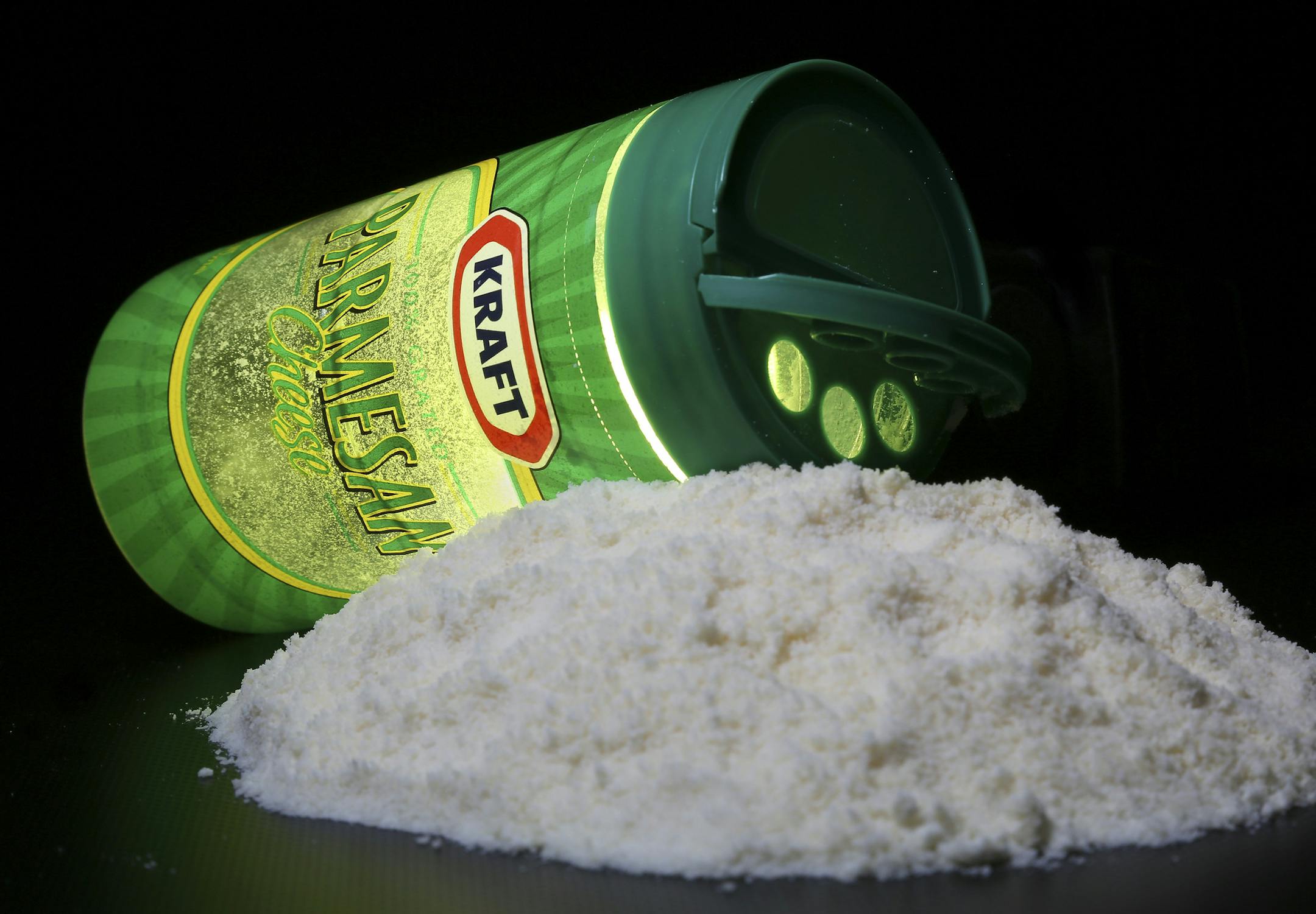
WASHINGTON – Would Parmesan by any other name be as tasty atop your pasta? A ripening trade battle might put that to the test.
As part of trade talks, the European Union wants to ban the use of European names like Parmesan, feta and Gorgonzola on cheese made in the United States.
The argument is that the American-made cheeses are shadows of the original European varieties and cut into sales and identity of the European cheeses. The Europeans say Parmesan should only come from Parma, Italy, not those familiar green cylinders that American companies sell. Feta should only be from Greece, even though feta isn't a place. The E.U. argues it "is so closely connected to Greece as to be identified as an inherently Greek product."
So, a little "hard-grated cheese" for your pasta? It doesn't have quite the same ring as Parmesan.
U.S. dairy producers, cheesemakers and food companies are all fighting the idea, which they say would hurt the $4 billion domestic cheese industry and endlessly confuse consumers.
"It's really stunning that the Europeans are trying to claw back products made popular in other countries," says Jim Mulhern, president of the National Milk Producers Federation, which represents U.S. dairy farmers.
The European Union would not say exactly what it is proposing or even whether it will be discussed this week as a new round of talks on an E.U.-United States free trade agreement opens in Brussels.
European Commission spokesman Roger Waite would only say that the question "is an important issue for the E.U."



