

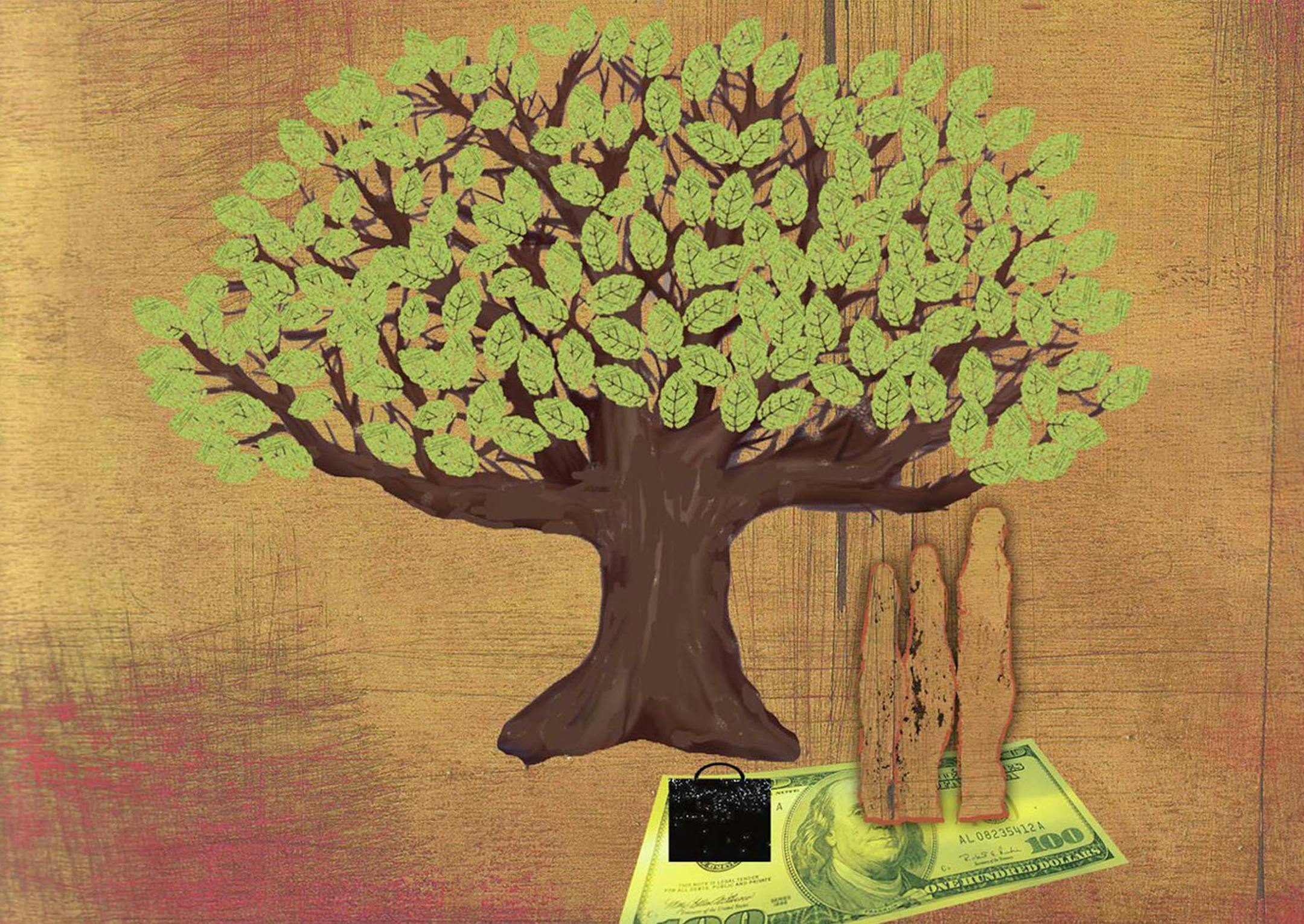
In a ritual familiar to many Minnesotans, I recently made plans to visit my mother in Florida. When I called to compare calendars, she surprised me. After just a few months as a new snowbird, she is thinking of becoming a resident of Florida. "We are happy to pay the taxes, but the estate tax is another matter," she said.
Several years ago, my mother and stepdad moved from the Land of 10,000 Taxes back east to "Taxachusetts," where many of her college pals and family members still live. All of her estate planning to this point assumed she'd die a resident of Massachusetts, which has an estate tax similar to that of Minnesota and a dozen other states.
While my mother adores Massachusetts — Sen. Elizabeth Warren and all — she is a thrifty and savvy planner and hopes to leave resources behind, primarily to help a family member with special needs. She is one of those "Happy to Pay" folks, but has found her limit: She is not happy to pay a death tax. Florida has none.
I work for a nonprofit focused on public policy, so this issue is of interest — not just as a matter of good tax policy, but for our organization's future (and I assure you for the future of every other nonprofit in Minnesota). More important, it is vital for our state's future.
When I was making calls to donors in December, I had many similar conversations to the one I had with my mother. Too many of the people I reached had either relocated or were thinking about it. In comparing notes with other nonprofits, I found that we are all hearing the same thing: a growing part of our donor base is leaving as baby boomers retire but also as younger, more mobile people are headed to a better climate for taxes or weather, or both. This is laid out in stark detail by data from our state demographer in a report called "Minnesotans on the Move."
One donor told me that when he and his wife retired, they stuck around. This was home. They were looking forward to giving lots of time and money to the Rochester area, including a large donation to a local foundation. Over time, they were deeply offended by the (false) idea that they had not paid their "fair share" in taxes or that somehow they had not earned their success. They knew where they came from and how hard they had worked. Yet my donor stayed, continuing to pay taxes and to give generously to nonprofits.
The tipping point came with the estate tax, which my donor called "a tax on my children." He estimated the cost of Minnesota's estate tax. Rather than pay the tax, he bought a house in Florida for less than what he would have paid in estate taxes and became a Florida resident. Instead of paying estate tax, his children are going to inherit a five-bedroom house in Florida.
Once people leave the state, they shift their lives and donations to their new communities.


