

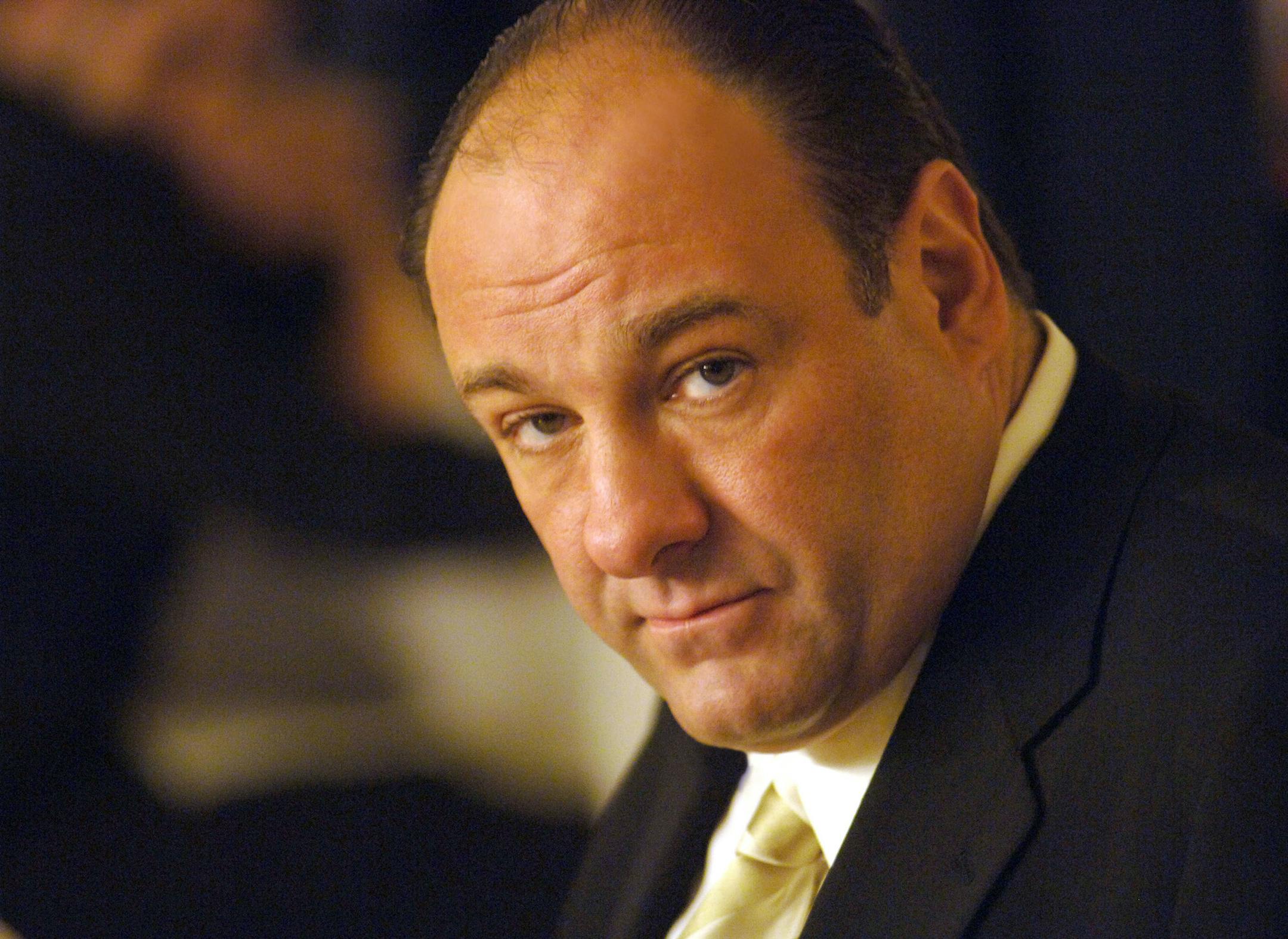
A public debate has erupted over the wisdom of James Gandolfini's will.
By Paul Sullivan • New York Times
When James Gandolfini, one of the most recognizable actors of the last decade, died of a heart attack while on vacation last month, the response was as intense as you might have expected for the man who was Tony Soprano.
There was grieving for him as a person and remembrances of his great acting roles. That outpouring was quickly followed by a dissection of his last meal — and the drinks that went with it — and speculation about what might have caused his death at age 51.
But then something odd happened: a few weeks after he died, the discussion shifted to his will, which, unlike the wills of most wealthy people, quickly became public. Almost immediately, many experts found fault with its contents, saying it was so unwisely constructed it could lead to lawsuits from his heirs.
And then there was the estate tax bill — estimated at a whopping $30 million, nearly half of his reported net worth of $70 million all because of supposedly bad tax planning.
Was this true? Were the numbers accurate? Did any of these commentators know what they were talking about? I decided to call Roger Haber, Gandolfini's lawyer, who drafted the will and is one of its executors. In "Sopranos" parlance, he was Gandolfini's consigliere in life and is the man, after his death, who is bearing the brunt of the estate-tax ire.
Haber agreed to talk, cautiously, about the most-discussed will in years. "I can't really speak in specifics," he said. "I can talk in generalities, and you can read between the lines."



