

Playing golf demands a willing suspension of disbelief. How else to explain why so many of us set off in pursuit of a score that our own record of futility suggests will remain forever unattainable?
Golf course owners, meanwhile, live in the here and now, where the collision of economics and demographics requires a certain level of coldhearted realism.
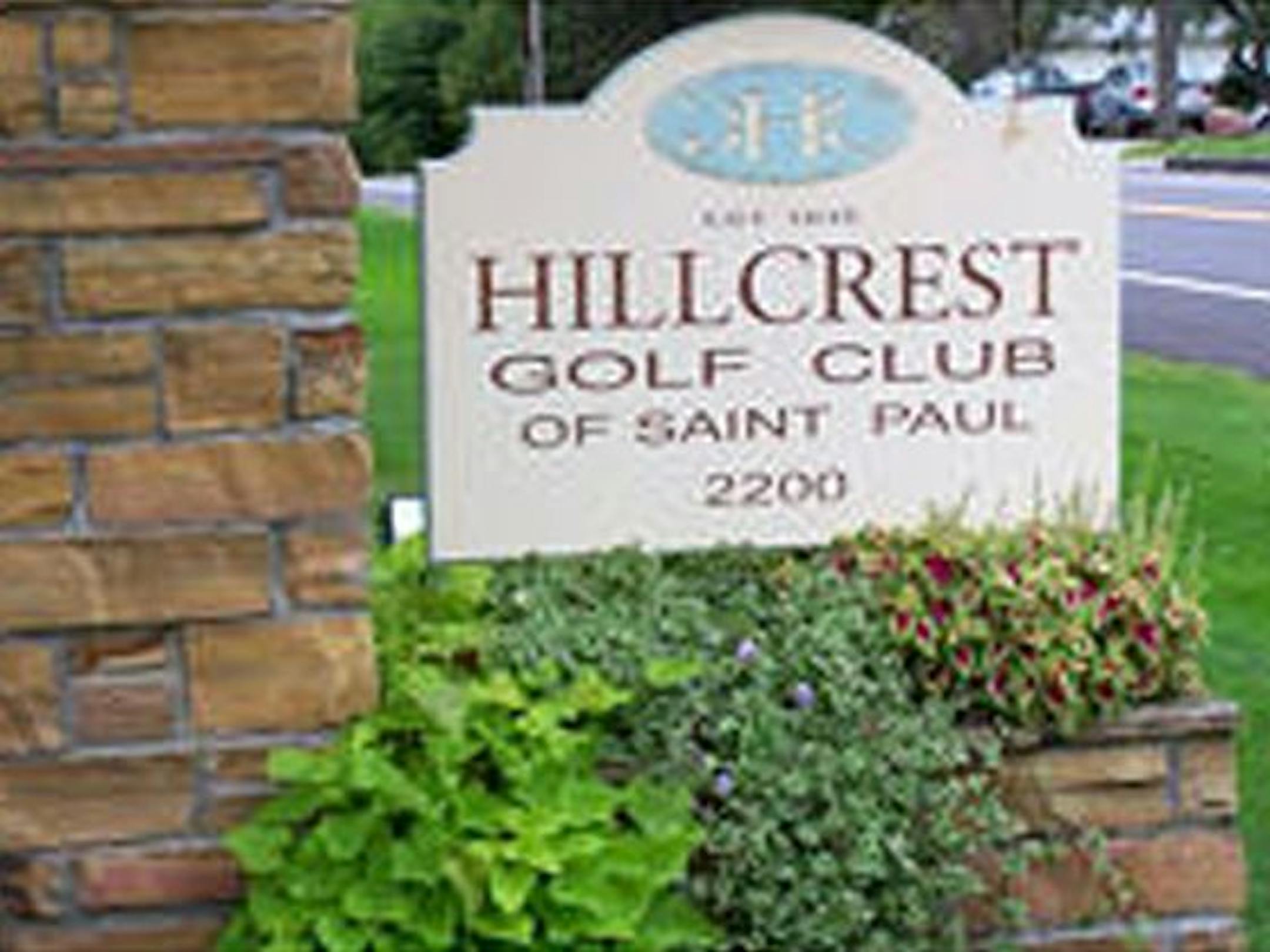
So, what does that make Gary Erlander, the occasional golfer and business manager for a union that bought the private Hillcrest Golf Club in St. Paul?
You could call him an opportunistic real estate investor. Local 455 of the Steamfitters and Pipefitters Union paid only $4.3 million for a 112-acre site that has an estimated market value of $15.4 million.
Or you could call him a moon-faced optimist. Though the land could be developed for other uses, Local 455 was the only bidder to pledge to continue operating Hillcrest as a private golf club for at least two years. The union's 1,426 members, including retirees, unanimously approved the purchase, using money from a special building fund established in the 1980s and financed by contributions from member paychecks.
While a portion of the 112 acres could eventually give way to a union headquarters building, "Our goal is to return Hillcrest to its rightful stature in the golfing community," Erlander said.
Hillcrest is one of about 4,400 private golf clubs in the U.S., down from a peak of about 5,000 in the mid-1980s. According to the National Golf Foundation (NGF), about 15 percent of them face the same sort of financial pressures that resulted in Hillcrest being put on the block.
Some private clubs are responding by allowing outside play by nonmembers. Others are converting entirely to daily fee courses, and some are simply shutting down.



