Enduring images from a little-known photographer helped create a Minnesota national park

August 24, 2025
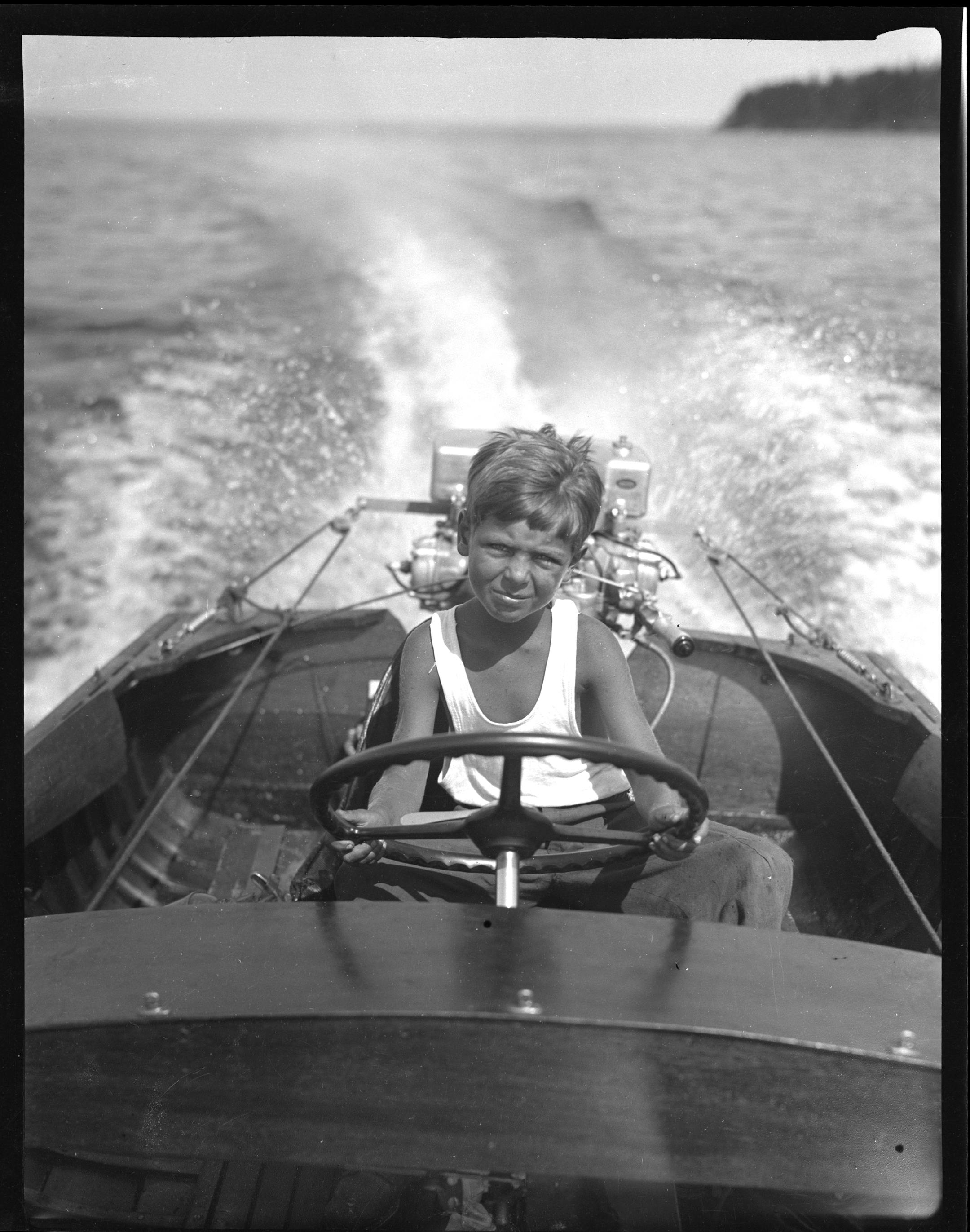
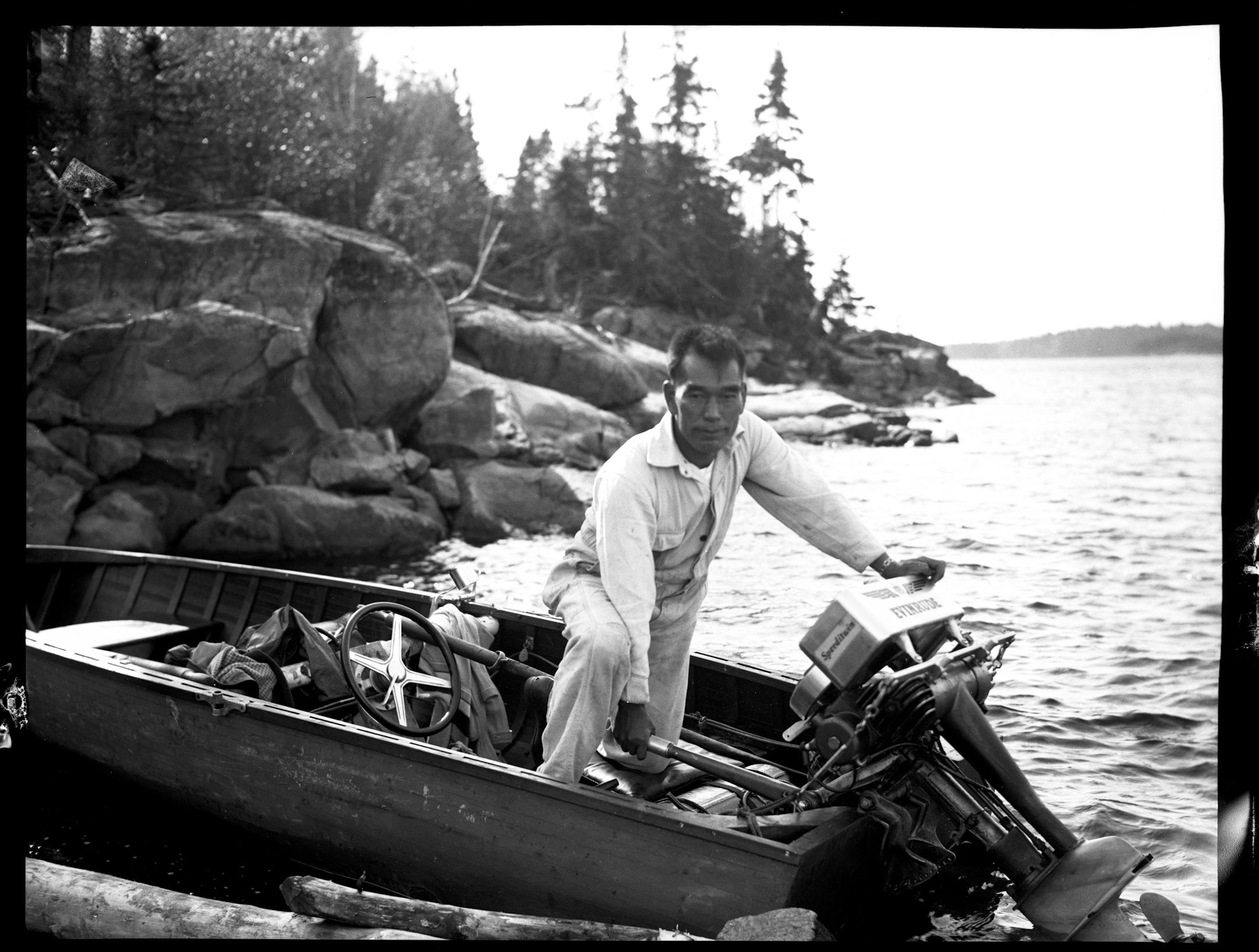
Jun Fujita in one of the many boats he owned and used from his island cabin on Rainy Lake. He liked speed, claimed his great-nephew Graham Lee, and the Evinrude Speeditwin motor shown is testament. (Photo: Courtesy of the Graham and Pam Lee Collection)

Conservationists have spotlighted Japanese American Jun Fujita, who had an island cabin in what is now Voyageurs National Park.

The Minnesota Star Tribune

Like its hundreds of islands, Voyageurs National Park in the border lake country between northern Minnesota and Canada ripples with stories.

A colorful but underappreciated champion of the region is emerging as a key part of the Voyageurs origin story as the park marks its 50th anniversary.

Jun Fujita was a Japanese American photographer whose keen eye and sense of adventure was manifested in powerful news photography for the Chicago Evening Post in the early 1900s. His black-and-white images from the hustle and heat of the city included everything from race riots to Al Capone gangster violence.

But Fujita also found ample material – and inspiration – in trips to northern Minnesota during the same period, said his great-nephew, Graham Lee.

Fujita’s images still resonate among park historians as fundamental to the preservation of the Rainy Lake watershed in the early 20th century and the legislation that established the national park in 1975.
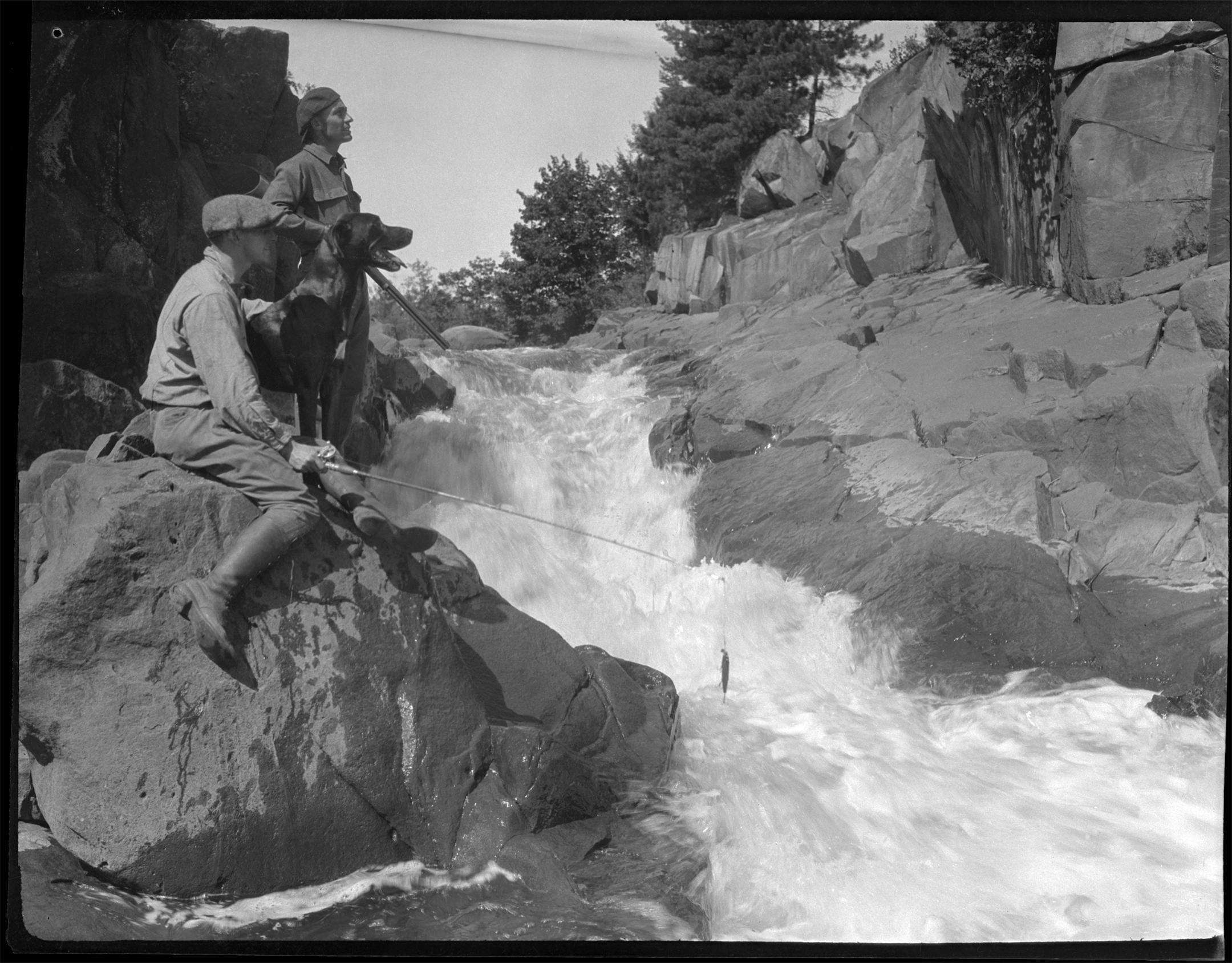
This image ran in Outdoor America magazine as part of a campaign to protect the boundary waters from industries that wanted to dam the region. Photo courtesy of the Graham and Pam Lee Collection. (Photo: Courtesy of the Graham and Pam Lee Collection)

While at the height of his powers, Fujita provided photos to Ernest Oberholtzer. The titan of Minnesota conservation displayed them as he made the case for protecting the Quetico-Superior region from industries that saw the boundary waters as ripe to exploit.

Fujita, who immigrated to Canada in 1906 before moving a few years later to Chicago, even petitioned a Post colleague to write an editorial in support of Oberholtzer. Later, he sent a note to the activist:

“This fight is a fight of every person in this country, who has any civic pride in himself.”
Erik Ditzler, a Voyageurs interpretive ranger, said few visitors know about Fujita, his backstory on Rainy Lake and his legacy.

“He is a good talking point,” Ditzler added. “He was a fascinating guy.”

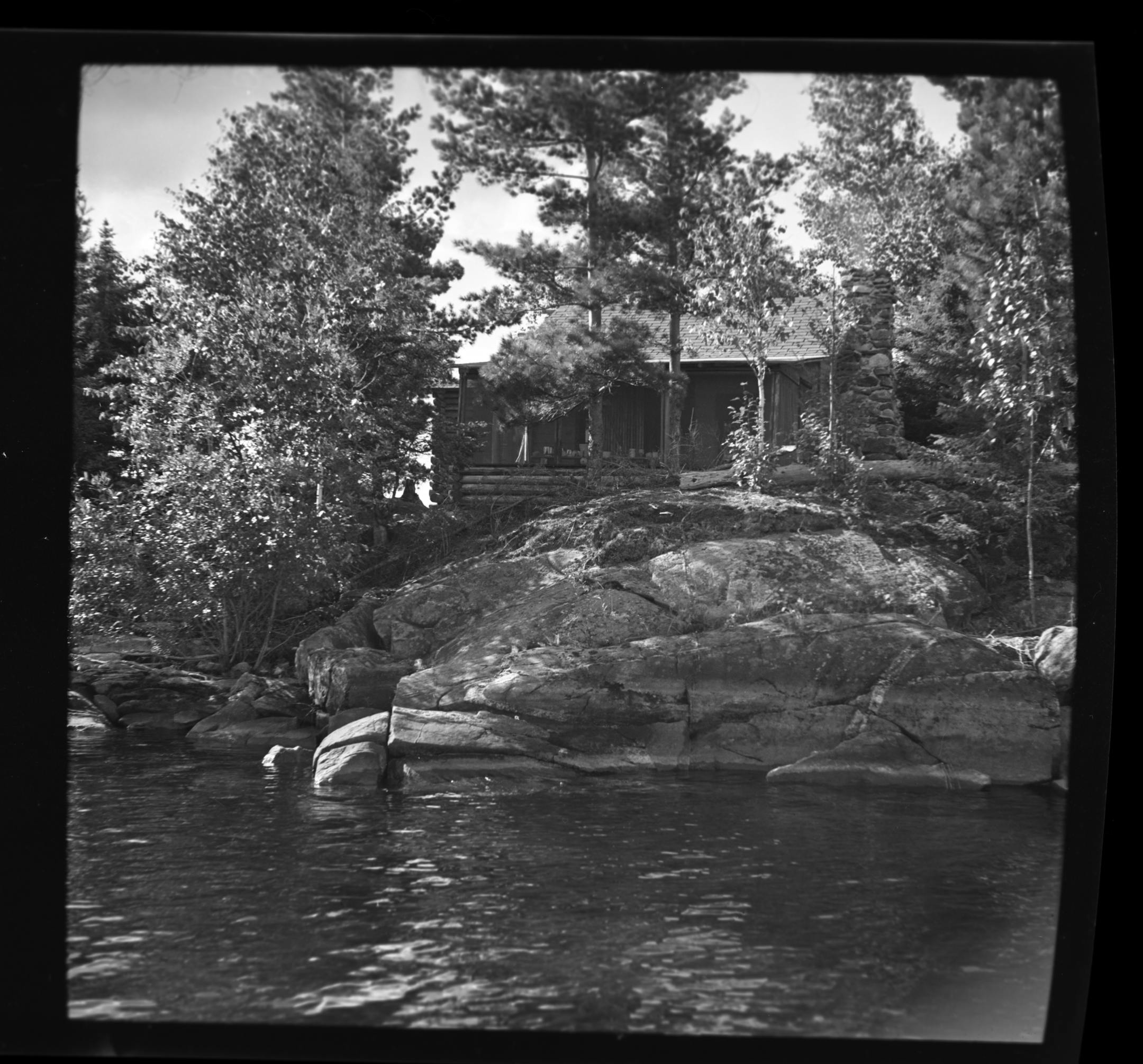
Fujita’s cabin was on an island of 4 acres. (Photo: Courtesy of the Graham and Pam Lee Collection)
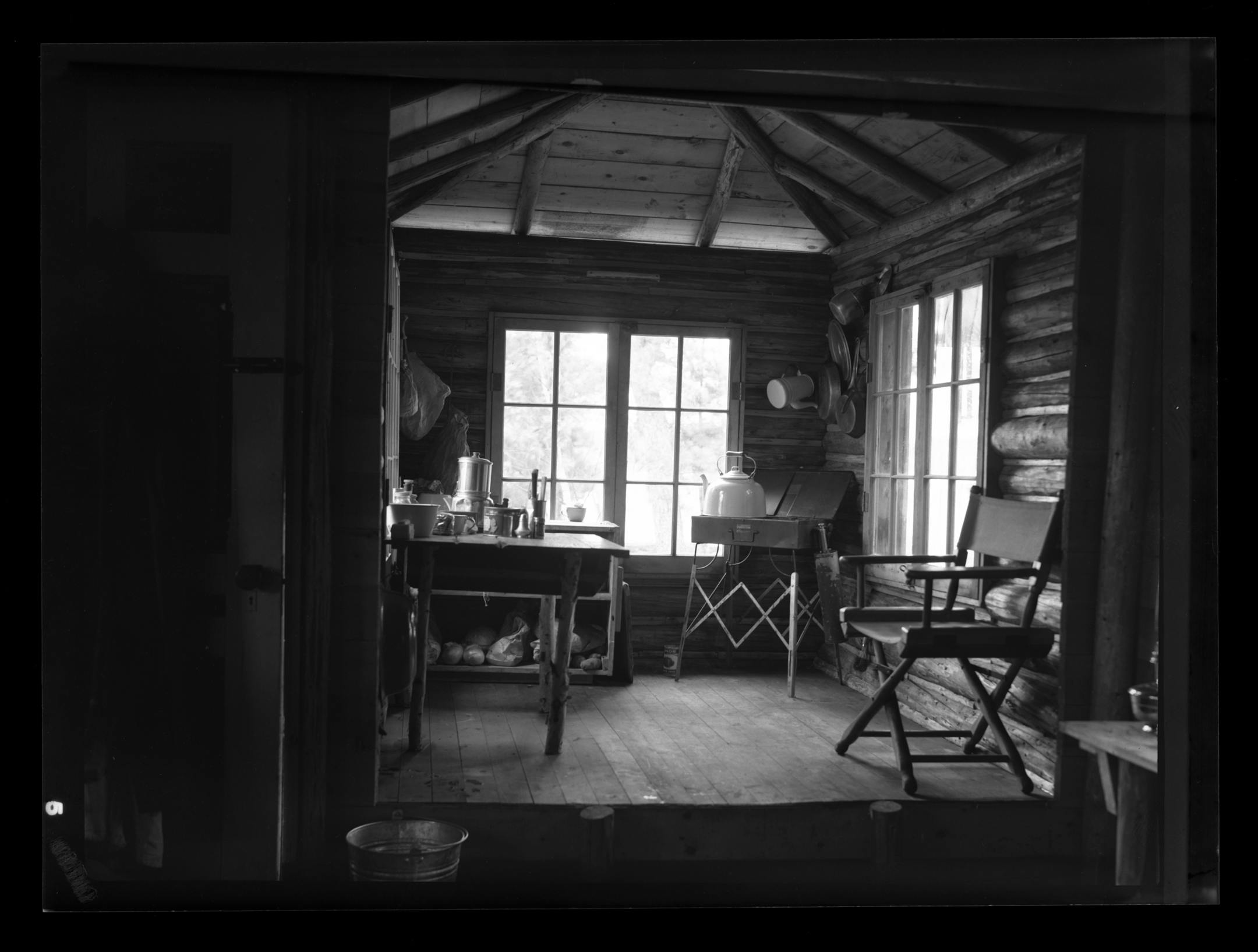
The “log room” inside Fujita's cabin. (Photo: Courtesy of the Graham and Pam Lee Collection)

Isolation and inspiration

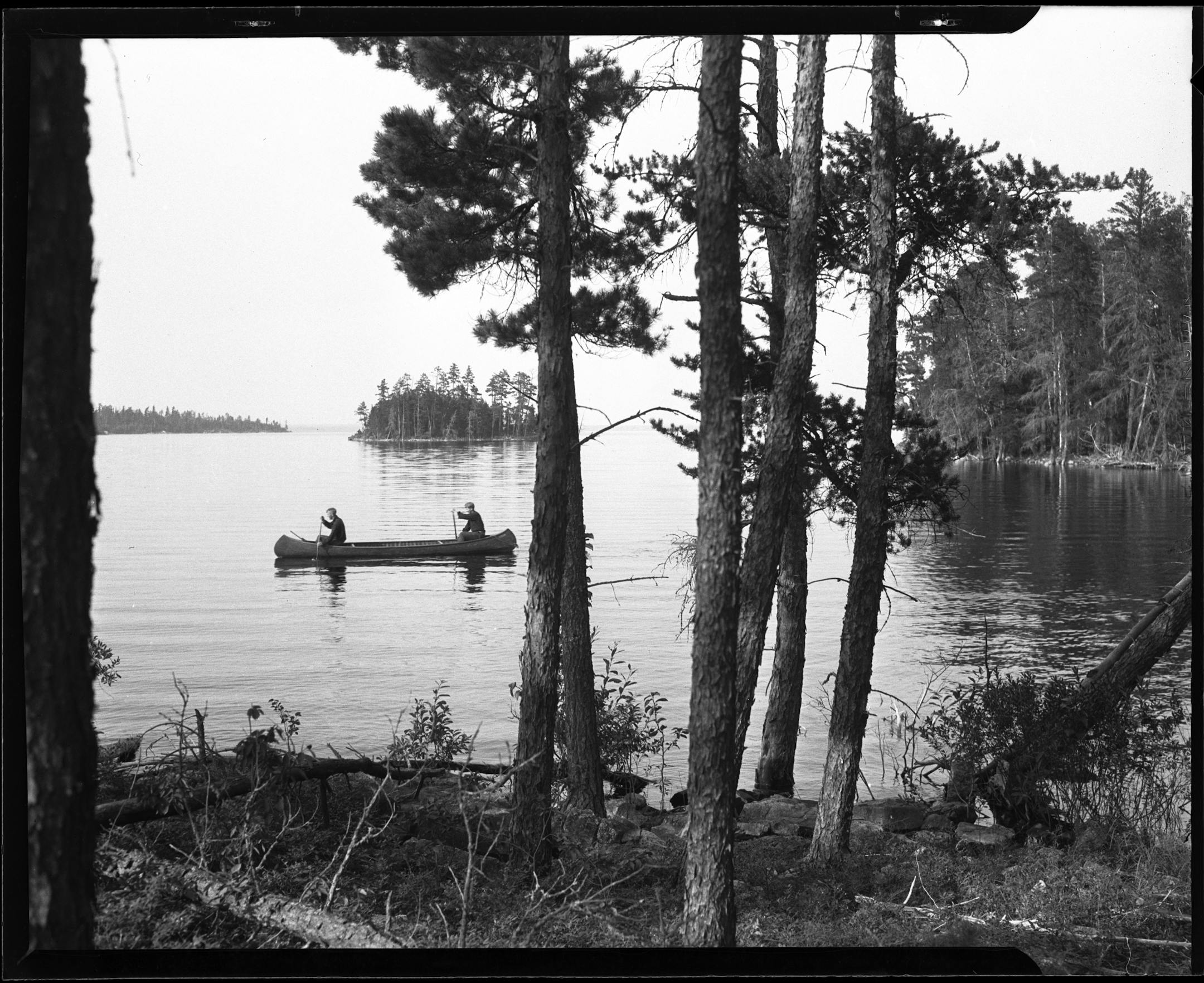
Fujita’s refuge on Rainy Lake was a humble log cabin perched on a small island bought in 1928 by his girlfriend, Florence Carr. He returned repeatedly by train and then by boat from Ranier, Minn. It was his launching point for images of lake life writ large: Anglers and their trophy fish; paddlers in silhouette; island landscapes; a shimmering moonscape – all were among his targets.

Sometimes, Fujita incorporated locals into the shots to support his side gig as a commercial photographer.

“He just had this lust for nature,” said Lee, of Madison, Wis., the self-proclaimed family archivist. “And if you love it so much you have to go where it is the best. And he found Rainy Lake to be that.”

Fujita frequently shot images of people he encountered up north. Images like this one shot in the 1930s may have been used for his commercial photography for Johnson Motor Company. Photo courtesy of the Graham and Pam Lee Collection. (Photo: Courtesy of the Graham and Pam Lee Collection)

The experiences helped feed Fujita’s passion for exploring both himself and his surroundings.

The acute self-awareness that made Fujita a stellar photographer also was reflected in his writing, Lee said.

Through a form of Japanese poetry called tanka, notable for its short verse, he referenced birds and wildflowers. His jottings also extended to love letters from the far north to Carr, whom he later married.

Fujita often addressed her as "My itta Schue,” thought to be a play on the French term of endearment mon petit chou that translates to “My little cabbage,” Lee said.

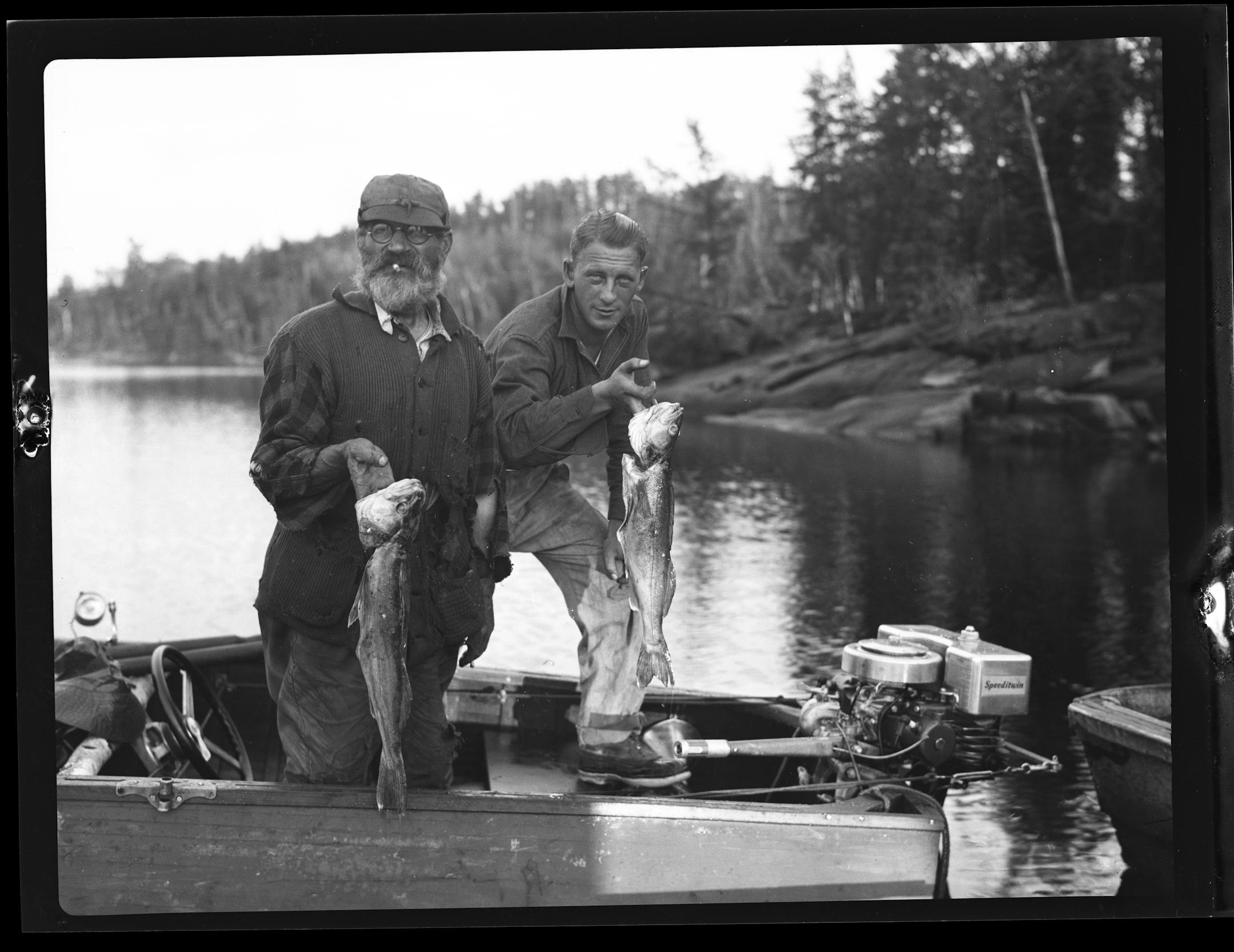
A Fujita photograph from the 1930s of two fishermen with their trophy catches. Photo courtesy of the Graham and Pam Lee Collection. (Photo: Courtesy of the Graham an)
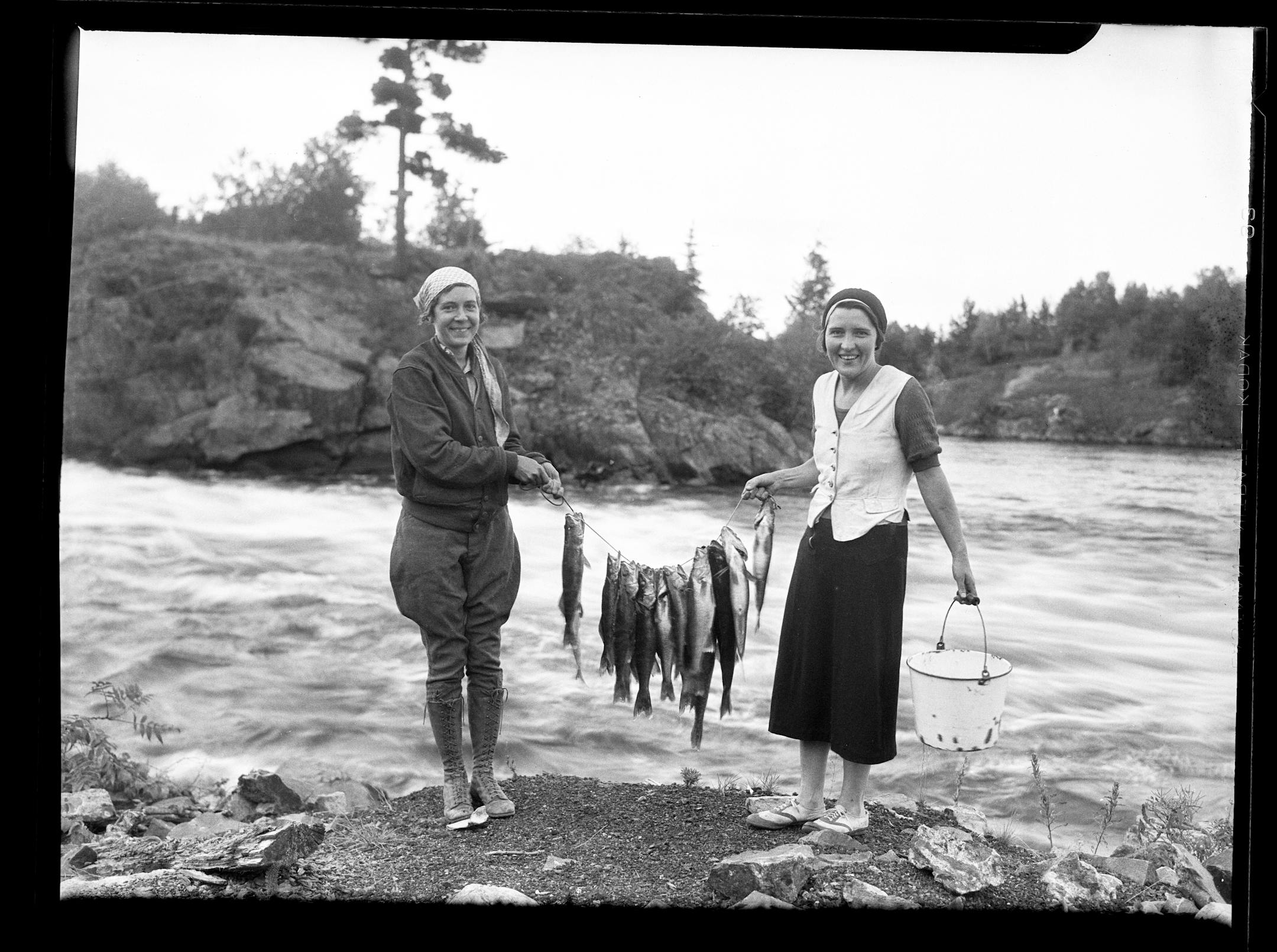
Two women pose with their impressive stringer for a Fujita photograph in the Rainy Lake area. Photo courtesy of the Graham and Pam Lee Collection. (Photo: Courtesy of the Graham and Pam Lee Collection)

In one, Fujita wrote evocatively of a fish dinner under the pines and of his morning boat trip, “the new sun in her glorious nudity, just arising out of the lake.”

World War II cleaved Fujita’s connection to the lake country. Fearing anti-Japanese sentiment, he made a final visit to his secluded island in 1939. Several years later, he and Carr sold it to island neighbors.

Over the next 20-plus years, Fujita and Carr leaned into their love of the southern shore of Lake Michigan. There were frequent trips to the sand dunes of Indiana from their home on Chicago’s North Side. Fujita died in 1963 at 74.

Lee sees his great-uncle’s affinity for his half-life up north as a bookend. Fujita was born on an island, too: in 1888, on Mukaishima, in western Japan’s inland sea.

Today, park officials maintain Fujita’s cabin for the public to visit, Ditzler said. It is on the National Register of Historic Places.

While the national park views Fujita as a relevant chapter in its origin story, Lee will expand the narrative. He has written a biography, “Jun Fujita: Behind the Camera,” that will be published in October.

The title is intentional, Lee said, because while visual art has staying power through generations, the person behind it doesn’t.

Viewers might recognize photos of Rainy Lake or major news events in Chicago but not understand what it took to make them or know of the person who froze those moments for all time.

“This man lived such a full and big life with hurdles that confronted him,” Lee added, “but, boy, he did so much.”

A classic Fujita photograph from the Rainy Lake region. Photo courtesy of the Graham and Pam Lee Collection. (Photo: Courtesy of the Graham and Pam Lee Collection)
about the writer

about the writer

Bob Timmons

Outdoors reporter

Bob Timmons covers news across Minnesota's outdoors, from natural resources to recreation to wildlife.

See Moreicon

More from Outdoors

See More
card image
Courtesy Rick Sandri

A citizens group is testing wells as North Star Manganese tries to develop a mine. More than half the wells tested high enough that the water cannot be used to mix infant formula.