

Opinion editor’s note: Star Tribune Opinion publishes a mix of national and local commentaries online and in print each day. To contribute, click here.
•••
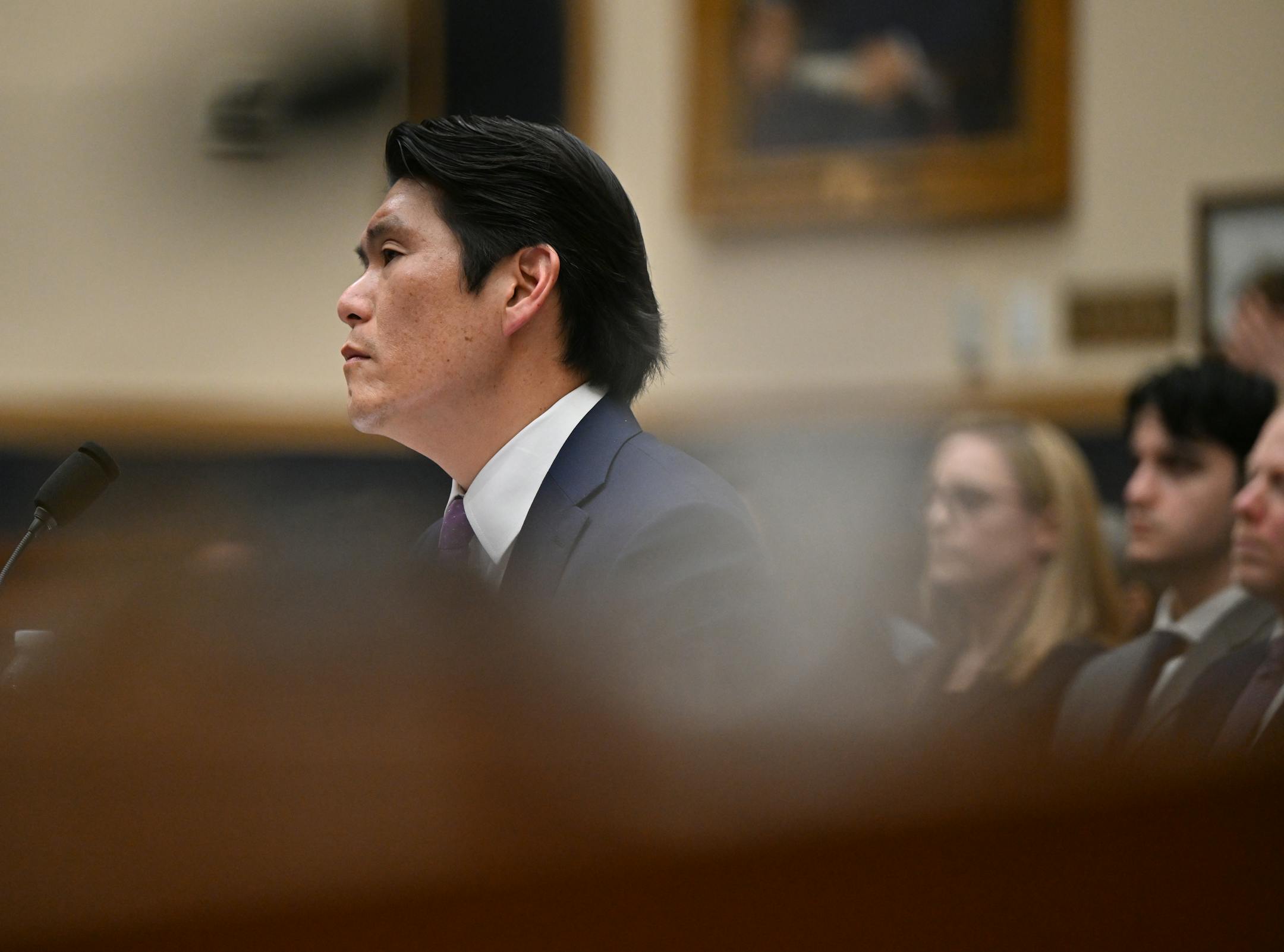
On Tuesday, when the special counsel Robert Hur testified before Congress, it was high presidential-year political theater. This is just the latest example of the inversion of the aims of the special counsel office.
A special counsel is supposed to ensure that the Justice Department can credibly conduct sensitive investigations that are, and that appear to be, fair and apolitical. Yet special counsels (and their precursors) have for decades failed to achieve this goal, a failure that has now reached a peak with two special counsels having an extraordinary impact on a presidential election.
It is time to kill the special counsel institution.
Special counsels have had different labels over the years. They were first institutionalized when a post-Watergate statute created what came to be called an “independent counsel” appointed by a federal court upon application of the attorney general and removable by the attorney general or Congress only in extreme cases. This was the statute under which Lawrence Walsh investigated the Iran-contra scandal and Kenneth Starr investigated Whitewater and President Bill Clinton’s affair with Monica Lewinsky.
Both men, in calmer political times than today, drew sharp partisan attacks because of the political stakes and in response to their allegedly norm-breaking behavior. Their principal decisions were perceived by different parts of the country to be wildly unfair for (in the case of Walsh) giving credence to unproven facts and allegations against people not charged, or for (in the case of Starr) including salacious and politically damaging but legally irrelevant details in a referral to Congress that laid out grounds for Clinton’s possible impeachment.
Neither party shed a tear when the independent counsel statute lapsed in 1999. One consensus point at the time was that prosecutorial independence from the attorney general did nothing to arrest the perceived partisanship of the investigation but often did lead to over-investigation, undue commentary about targets and other instances of prosecutorial zeal. The supposed virtue of prosecutorial independence was viewed as a debilitating lack of political accountability.


