The boss of the Calgary-based company that wants to transport more Canadian heavy crude oil via an expanded pipeline through Minnesota says the project is different from the controversial Keystone XL pipeline.
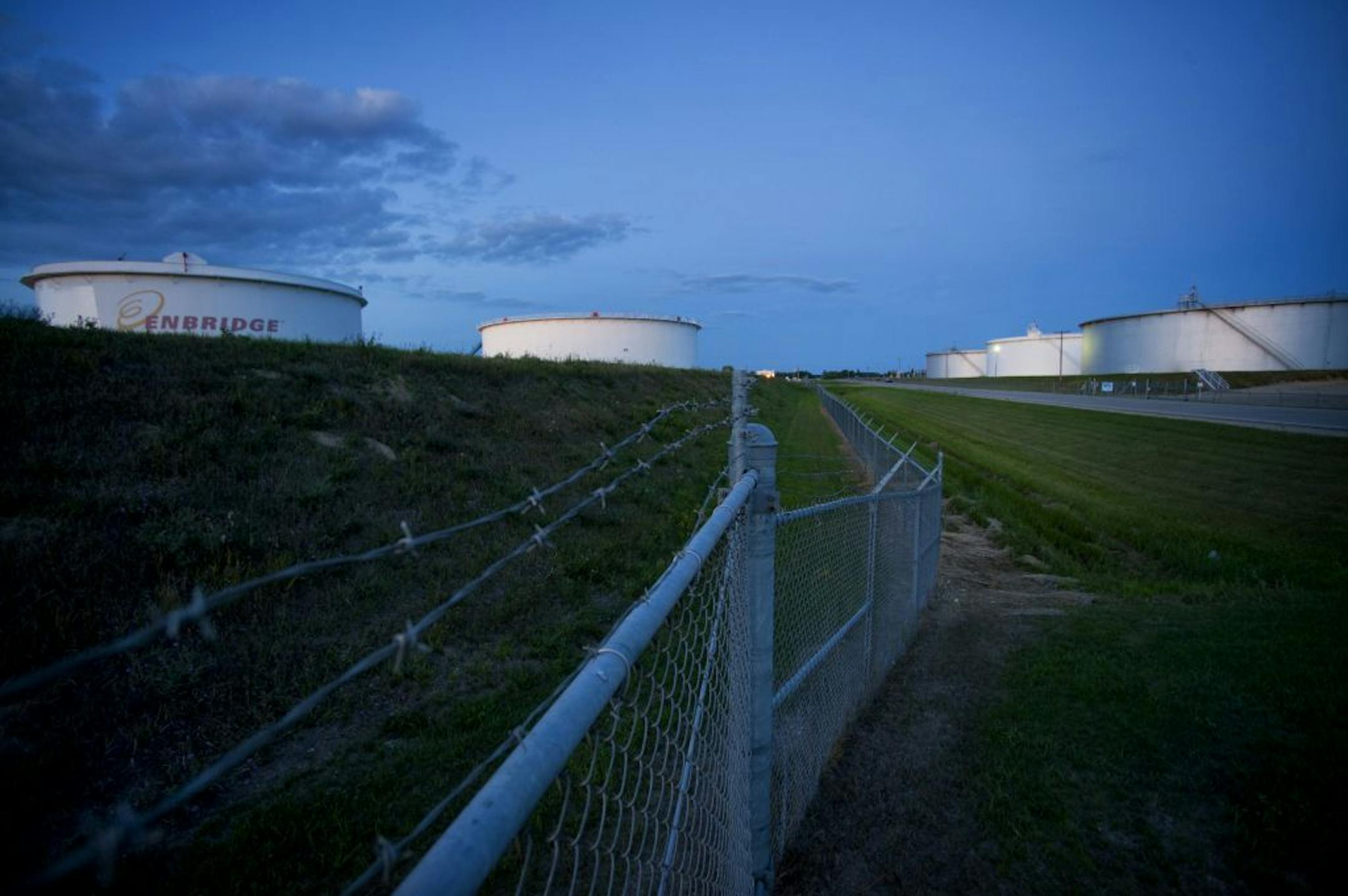
Enbridge Energy CEO Al Monaco was asked on an analyst conference call Wednesday about possible environmental opposition to upgrading the 1,000-mile Alberta Clipper line. The line cuts across northern Minnesota to Superior, Wis. Like TransCanada's Keystone XL, a proposed pipeline in Montana, South Dakota and Nebraska, Enbridge needs a U.S. State Department permit to cross the U.S. border from Canada. In March, environmental groups fighting the Keystone XL project pledged to expand their campaign to Enbridge's project, which adds new pumping stations to an existing line.
"This is a little bit of a different situation," Monaco said. "I won't deny that there will likely be some focus on it as well. But … the pipe is in the ground. We're talking about a relatively limited amount of work here from an environmental point of view."
Monaco said the company will "obviously wait to see how it unfolds" and work closely with the State Department on the requirements.
DAVID SHAFFER
cummins power gets vip thank-yous
The 1,900 local employees of Cummins Power Generation, a unit of Ohio-based Cummins Inc., recently were thanked by U.S. Sen. Al Franken and Sharon Burke, the top energy official at the Department of Defense, for producing advanced power generators that have slashed the military's fuel tab in Afghanistan by 21 percent. That also increases safety for the troops who make fewer fuel-transport runs.
The global headquarters for Cummins Power (www.cumminspower.com) is Shoreview. Its largest U.S. manufacturing plant is in Fridley.
These generators, some of which can run on multiple fuels, including natural gas, are so efficient that many of them meet or exceed the latest U.S. Environmental Protection Agency standards as "zero emission" engines, according to Cummins. These machines typically are produced first for the military and then move into the commercial markets where they provide more power with less pollution.