SAN JOSE, Calif. – They have piled up billions of dollars and disrupted major industries, but the Bay Area's on-demand start-ups have yet to answer one important question — do they have employees?
Uber, Lyft and many others in the multibillion dollar industry insist they don't, but some on-demand start-ups are beginning to ask themselves if the old employee model might work best in the long run. Instacart, Shyp, Sprig, Luxe and Honor are among the companies that recently reclassified their independent contractor workers as employees.
"We wanted them to feel the emotional connection to the organization that all the other employees did," said Johnny Brackett, a spokesman for on-demand shipping service Shyp, which made its couriers employees last year. "Part of that was putting them through orientation, which you can't do with contractors."
But start-ups are far from agreeing on which business model is best for workers and for their bottom lines, and that uncertainty could spell trouble for an industry experts say is bloated with more on-demand delivery apps than the market can sustain. They add that investors may shy away from start-ups where the unresolved question of workers' employee status threatens potential litigation, regulatory pushback or excessive spending.
"It's very hard to invest when you don't know what you don't know," said Ben Narasin, a partner at venture capital firm Canvas Ventures. "You've got this maybe existential risk — maybe just regular risk — but you have no way of quantifying it."
At issue is whether the army of drivers and couriers, summoned by smartphones to shuttle passengers across town or drop off late-night snacks, should receive the benefits — and potential drawbacks — of traditional employment. So far regulators, lawmakers and the courts haven't been much help.
Making the wrong choice has put more than one start-up out of business. Homejoy, a San Francisco on-demand cleaning service, and Zirtual, a San Francisco company that matches entrepreneurs with online personal assistants, blamed their demise in part on the employee vs. contractor issue. Homejoy's contractor workers sued the company over their status, and Zirtual suffered soaring costs after switching to employees. Experts estimate companies with employees pay up to 30 percent more per worker.
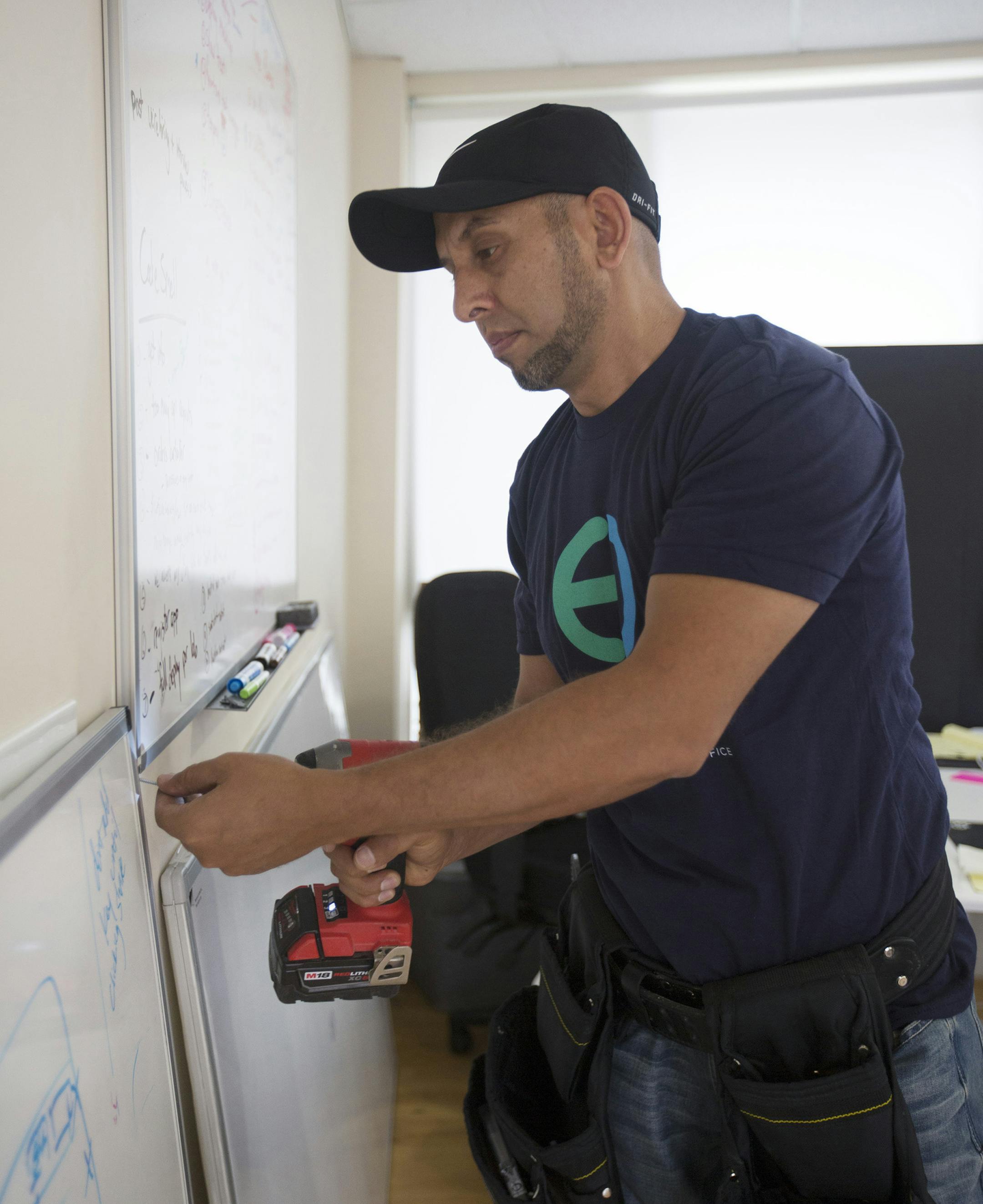
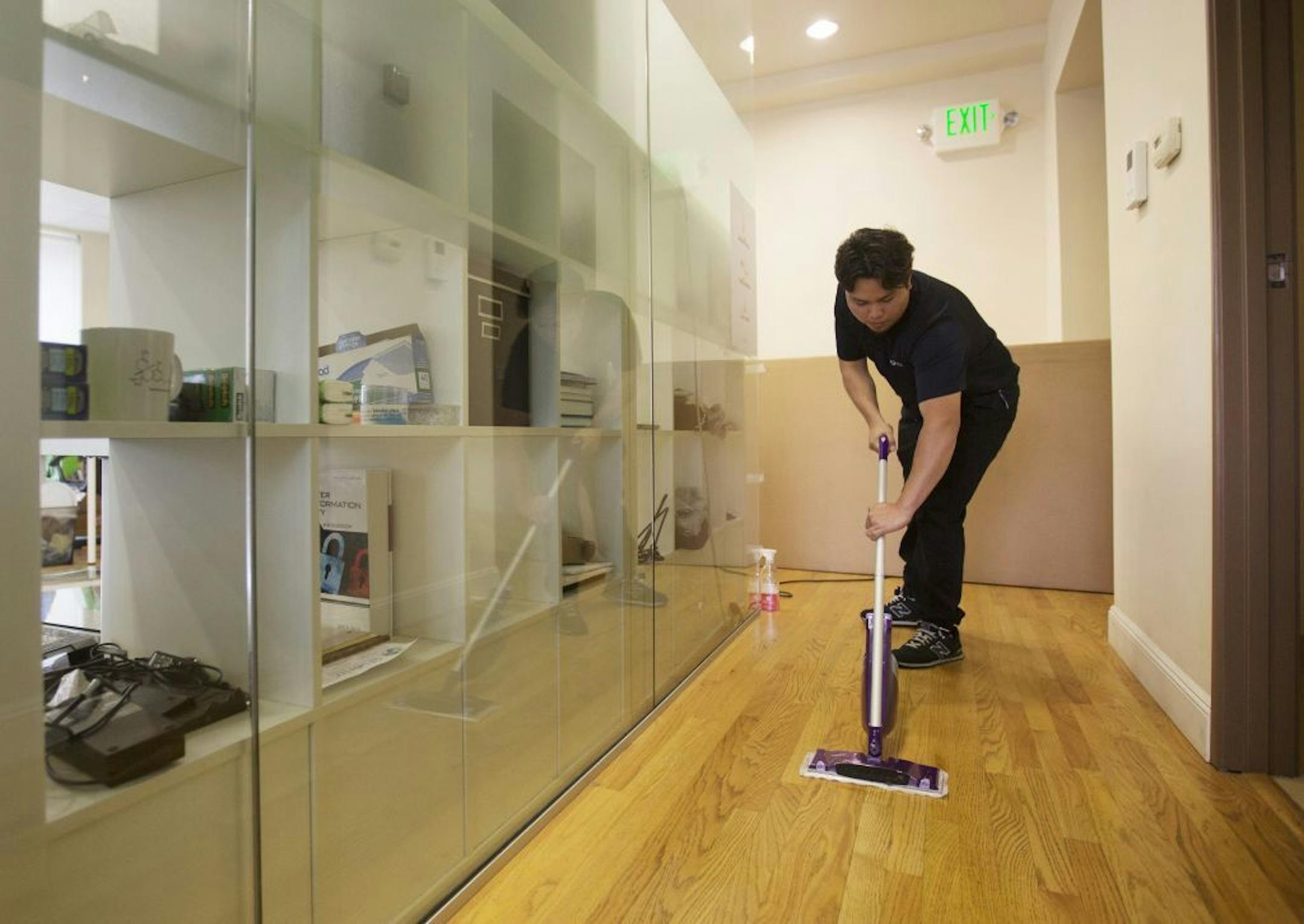
Eden, a start-up that dispatches "wizards" to Bay Area offices to tackle companies' IT, handyman and cleaning needs, recently moved its workers from contractors to employees — a change that co-founder and CEO Joe Du Bey estimates will cost more than $1 million over a year. But he expects the money he'll save in recruiting will offset that expense, as his workers will stick around longer now that they have benefits.