

Since the presidential election on Nov. 3, the rule of law has held.
That is one of the most noteworthy, and inspiring, developments in the entire history of U.S. law. Whether they were appointed by Presidents Donald Trump or Barack Obama, by Presidents Bill Clinton or George W. Bush, federal judges have shown fidelity to the law by rejecting frivolous and evidence-free efforts by Trump to overturn former Vice President Joe Biden's victory.
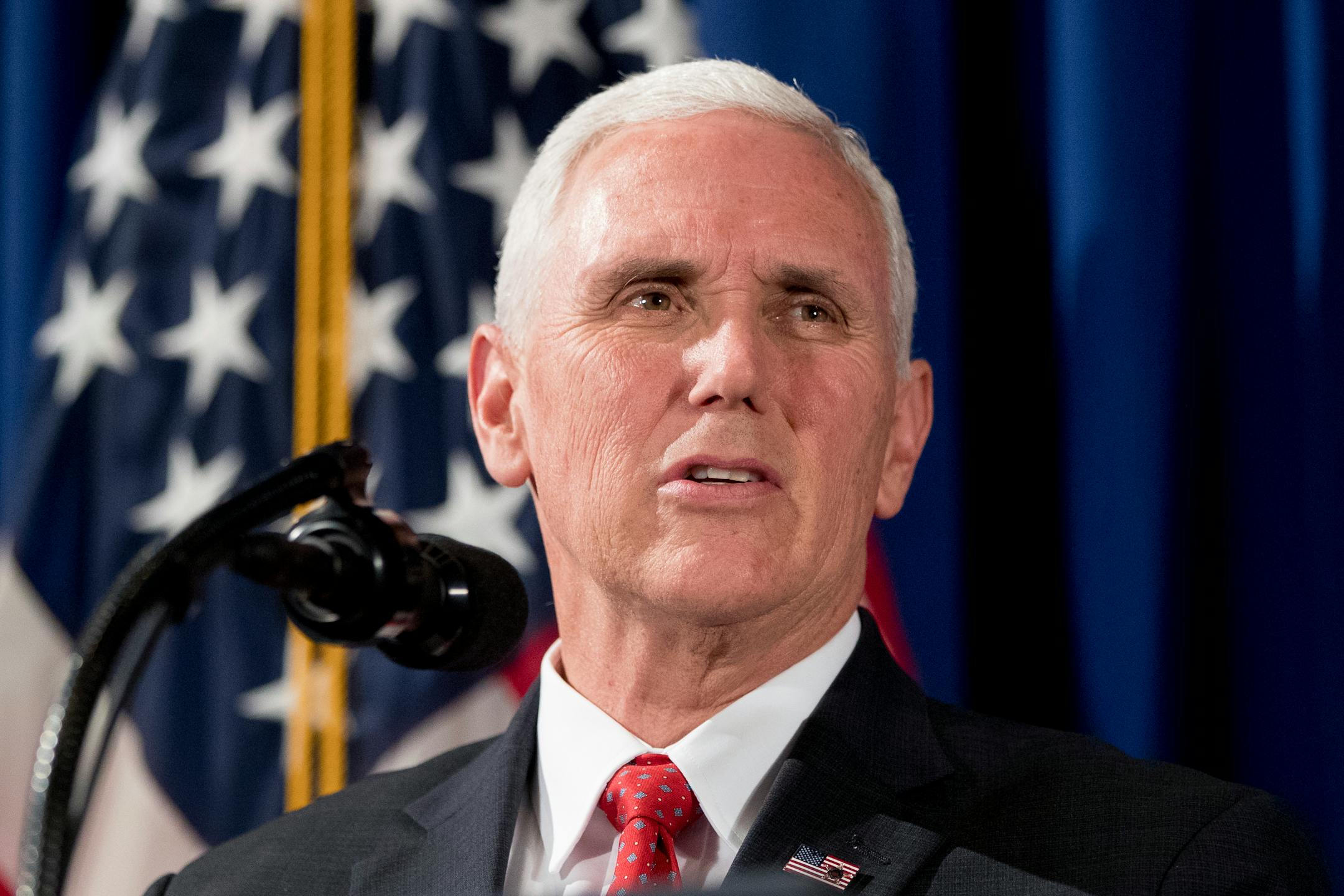
Congress will meet on Wednesday to finalize that victory. Sen. Ted Cruz of Texas, joined by at least 10 other Republican senators or senators-elect, is mounting a challenge, seeking to delay and perhaps to reverse the result. An obvious question is the role of Vice President Mike Pence, who serves as president of the Senate and can break deadlocked senate votes on ordinary matters, now that he has "welcomed" the senators' electoral vote challenge. What is he permitted to do on Wednesday?
Under the law, the simplest answer is: Not very much. His role is largely ceremonial. He has no power to overturn the results of a presidential election.
A central reason is that the drafters of the U.S. Constitution and those who followed them were acutely aware of the risk of bias and self-interest in politics. They did not want the vice president, who might well have a rooting interest, to settle the outcome of a presidential election.
For this week's congressional vote there are two principal sources of law. The first is the Electoral Count Act of 1887. The second is the 12th Amendment to the U.S. Constitution.
The Electoral Count Act was adopted in the aftermath of the constitutional crisis that followed the 1876 contest between Samuel Tilden and Rutherford B. Hayes. In response, the law says: Never again.
The law was explicitly designed to ensure that disputed issues would generally be settled by state authorities. It was written to make Washington much quieter, and to reduce the risk of partisan wrangling.


