

Opinion editor's note: Star Tribune Opinion publishes a mix of national and local commentaries online and in print each day. To contribute, click here.
•••
The Star Tribune's Jan. 26 editorial, "Heartless state law headed to high court," and its Jan. 17 news article, paint an unfair picture of the state of Minnesota's property tax forfeiture laws and Hennepin County's obligatory role in enforcing those laws.
Under Minnesota law, property owners must pay property taxes, and failure to do so may result in a forfeiture, which transfers ownership of the delinquent property to the state. The lawsuit on appeal to the U.S. Supreme Court does not challenge Minnesota's use of forfeiture as the tax collection method of last resort. Nor does it allege that taxpayers lack due process throughout the yearslong procedure.
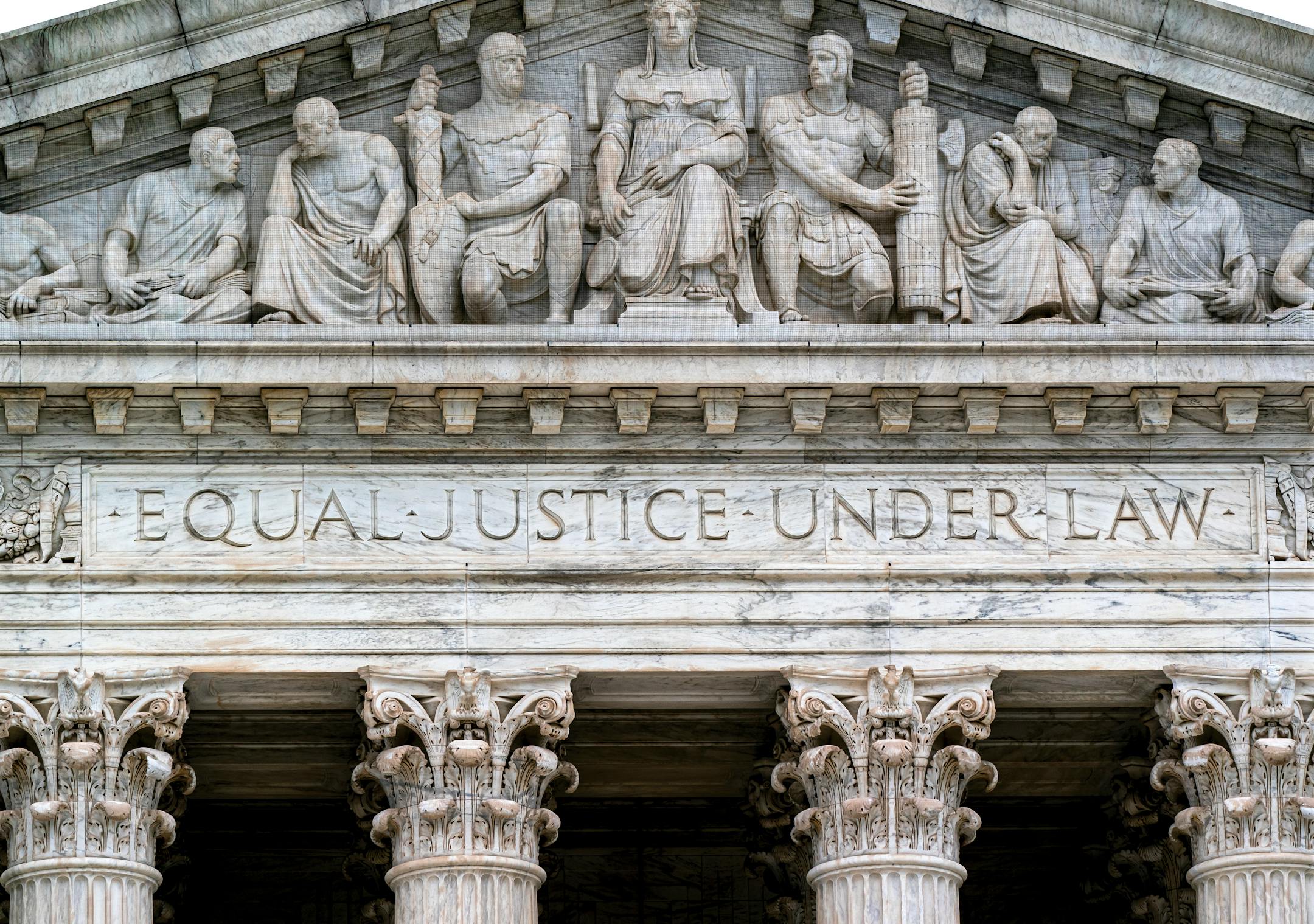
Instead, the lawsuit claims that delinquent taxpayers have a constitutional right to "surplus equity" after a sale of their forfeited property. The Supreme Court will decide this newly minted constitutional question, which challenges laws more than a century old.
There are sound policy reasons supporting Minnesota's current statutory process, which does not recognize a property right in "surplus equity" after forfeiture.
For most properties, the forfeiture process takes more than three years. Owners are notified multiple times throughout their delinquency of the amount of taxes due and how to avoid forfeiture. Options include paying the full amount due, entering into a payment plan, or selling the property and thereby cashing out the difference between the value of their home and their taxes owed.
Even after forfeiture, owners can apply to repurchase the property by paying the back taxes.


