
Opinion | Communities at a crossroads: What’s in your town’s succession plan?

Minnesota’s small towns aren’t running out of assets — they’re rediscovering them. In Ely, a yearlong partnership is setting an example.

October 24, 2025 at 9:58AM
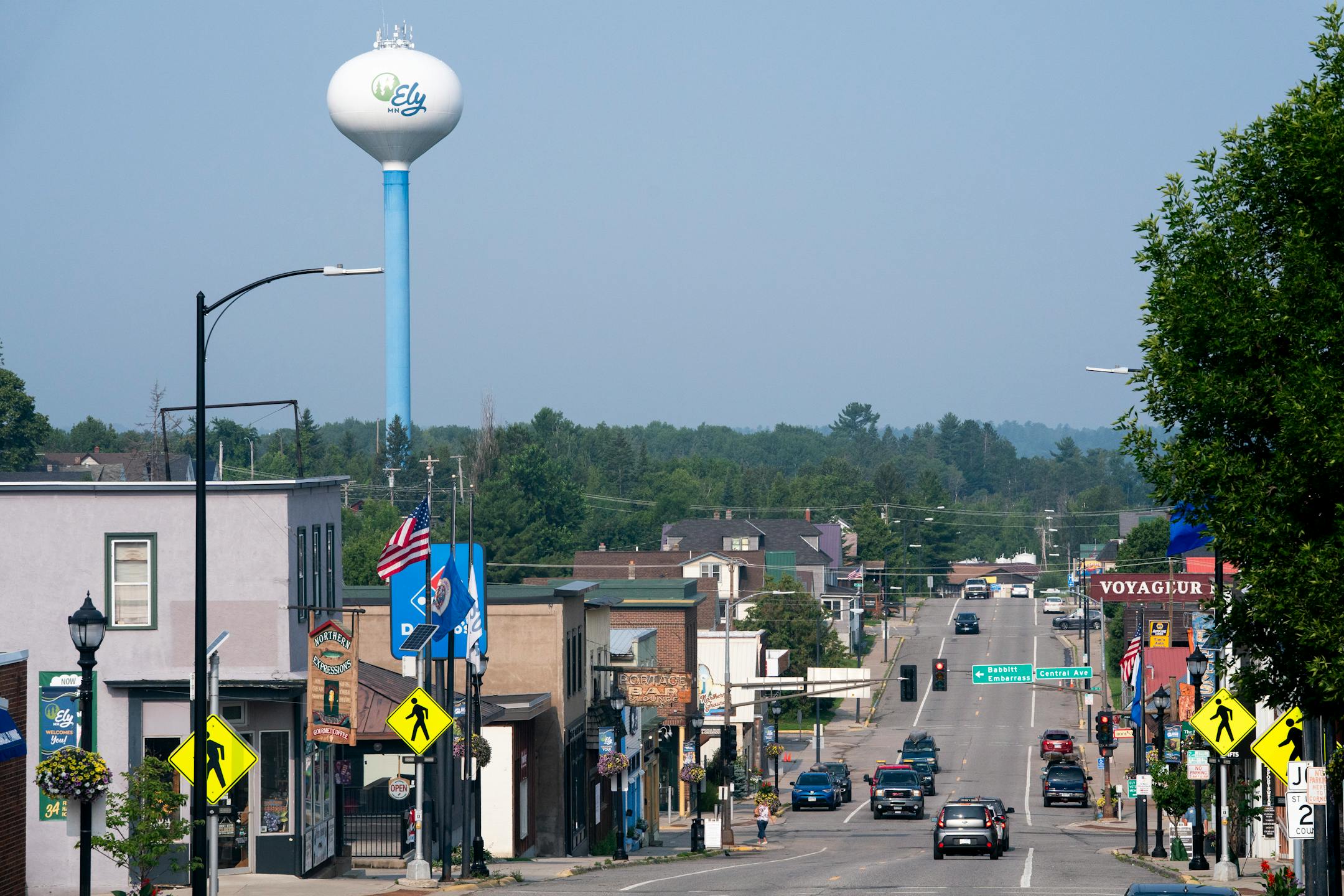
While Ely, Minn., is tackling the issue of baby boomers nearing retirement without a plan for their businesses, "succession challenges and opportunities aren’t unique to Ely," John Bennett writes. (Erica Dischino/For the Minnesota Star Tribune)

Opinion editor’s note: Strib Voices publishes a mix of guest commentaries online and in print each day. To contribute, click here.

•••

Across northern Minnesota, communities — especially smaller ones — are facing similar issues: Business owners are nearing retirement without succession plans. Civic groups rely on the same few volunteers year after year. New residents are finding housing difficult to find and, in many cases, the housing is in rough shape. And across the state, a historic baby boomer transfer of wealth is underway that could either strengthen our towns — or quietly slip away.

On Nov. 6, community members, business owners, second homeowners and local leaders will gather for the “Ely for Ely Annual Workshop: Planning for the Next Generation.” This event kicks off a yearlong partnership between Ely for Ely and the University of Minnesota Extension Department of Community Development to help the community think about long-term community vitality. Throughout 2026, a series of monthly workshops will give residents, businesses and organizations a structure for continued learning and collaboration.

Extension’s community development work includes a variety of succession challenges in local communities of all sizes. These include:

Business retention and succession planning

Extension research shows that business succession is more complicated than it used to be: It’s about preserving local ownership, keeping jobs in town and creating space for the next generation of entrepreneurs. A smart approach will recognize that local businesses are both economic engines and community anchors.

Leadership transition

The health of a community depends on the continuity of its civic and nonprofit leadership. Communities are tackling the question of how to recruit, mentor and support new and diverse leadership, while also learning from the institutional knowledge of those who’ve served over time.

Transfer of wealth and community legacy

Across Minnesota, more than $61 billion in wealth will transfer between generations in the next decade. The question is: How much of that will stay local?

•••

Ely for Ely is tackling these challenges and more and will strive to pair ideas with concrete data and action. Keynote speaker Ben Winchester, an Extension rural sociologist, will discuss his statewide research on migration and baby boomer wealth transfer, highlighting the opportunities hidden within rural transitions. His message is clear: Minnesota’s small towns aren’t running out of assets — they’re rediscovering them. For Ely, that means treating its homes, businesses and community institutions as part of a shared legacy worth reinvesting in for future generations.

“Many of us who live in Ely feel a strong sense of potential for this town, the region, the community,” said Lacey Squier, who manages Boundary Waters Connect, the economic and community development program of Northeastern Minnesotans for Wilderness that is hosting Ely for Ely.

Squier says the Ely for Ely planning committee is an intergenerational group of lifelong and new residents: “This diversity in our group affords us a broader perspective on the town, its history and its potential — some of which is very ripe, if yet untapped. It’s fundamentally about getting clear-eyed about our potential, whether it be economic, organizational or neighborly.”

This kind of collaborative work, building on decades of University of Minnesota Extension research and education, can help communities identify and strengthen the many forms of capital — natural, cultural, human, social, political, financial and built — that make places statewide thrive. Extension has seen that the communities most likely to thrive are those that understand their place within an interconnected world influenced by local, regional and global forces.

Succession challenges and opportunities aren’t unique to Ely. Communities around the state could benefit deeply from following Ely’s example, facing these issues head-on and developing a broad, comprehensive plan toward their future.

John Bennett is an Extension educator in community economics with the University of Minnesota Extension Department of Community Development. Learn more about Extension’s statewide research and work at extension.umn.edu.

about the writer

about the writer

John Bennett

More from Commentaries

See More
card image
Emilio Morenatti/The Associated Press

There are counterarguments to the criticisms about the decision.

card image
card image