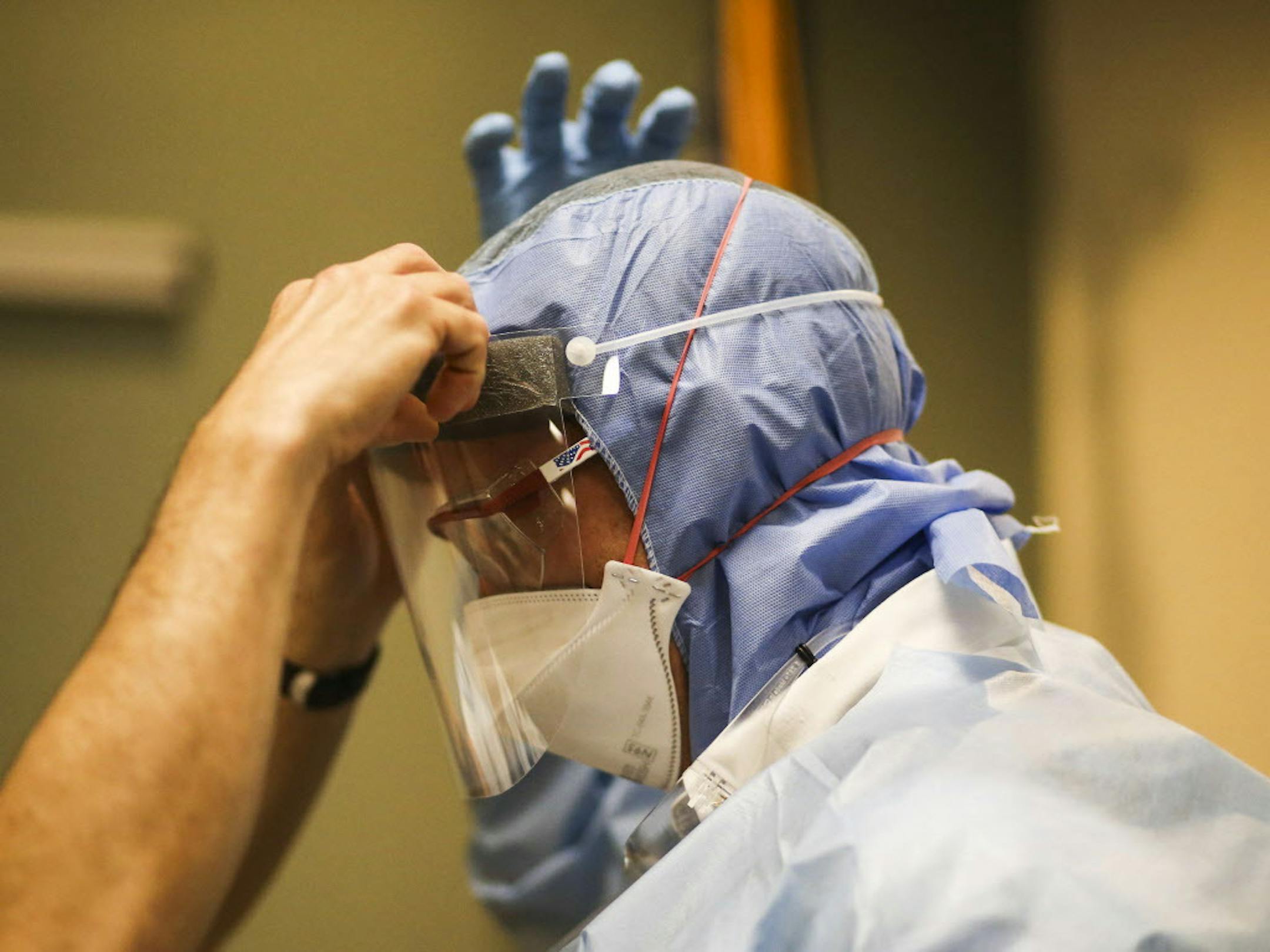
While the Ebola outbreak has largely faded from front-page headlines in the United States, employers would be well-advised not to let the issue fall off their radar. The disease remains a deadly reality in regions of West Africa and for employers with employees who are at risk of being exposed, keeping the disease out of the workplace remains a priority.
Employers may be surprised to learn that efforts to keep Ebola out of the workplace may run up against a patchwork of employment laws that protect employees. While reminiscent of the H1N1 outbreak a few years ago, Ebola's long incubation period and high mortality rate have raised the stakes for employers, employees, and the general public.
Until recently, there were almost-daily revisions of guidelines from the Centers for Disease Control and Prevention (CDC) and the Minnesota Department of Health (MDH), which may have made employers feel like they were chasing an ever-moving target. There is no one-size-fits-all solution and proper planning depends on several factors. Here are a few guidelines:
Rights of employers to make travel-related inquiries
When the outbreak in West Africa first occurred, the CDC issued a Level 3 travel warning urging U.S. residents to avoid nonessential travel to the area. However, employers seeking to limit employee travel to West Africa may face legal risk, such as infringement of leave rights under the Family and Medical Leave Act (FMLA).
Still, employers learning that an employee is traveling to an affected area may ask about the employee's travel plans, whether the employee had contact with anyone exposed to Ebola, and upon an employee's return to work, whether they are experiencing flu-like symptoms. Because the CDC has issued monitoring recommendations for individuals who have traveled to outbreak locations regardless of potential exposure or symptoms, employers have a legitimate basis for requesting that employees report travel to these locations as well as any potential exposure to the virus.
Mandatory leave for potentially exposed employees
A big question, most recently raised in the case of the Maine nurse who refused to obey an isolation order, is whether employers can require an employee exposed to the virus to remain away from work during the 21-day incubation period. A related question is whether an employer can require an employee to obtain a medical certification before returning to work. Without a proven "business need" for requiring the individual to stay away, an employer could be liable under the Americans with Disabilities Act (ADA) or other applicable state laws for "regarding" the employee as being disabled. Here are a few potential scenarios:
Scenario 1: No exposure, no symptoms. For an employee who traveled to West Africa but who was not exposed to the virus and who does not exhibit symptoms, requiring a leave of absence from work would likely violate the ADA and state laws because the risk of contracting the virus is slight.
Scenario 2: Exposure and symptoms. In contrast, if an employee was exposed to Ebola and exhibits symptoms, employers may require medical clearance before permitting the employee to return to work. The government's H1N1 guidance states this would be justified under ADA standards. If the diagnosis is confirmed, the employee would be eligible for federal or state FMLA leave because Ebola constitutes a "serious health condition."