
Drop the tissue and get out of the car

February 18, 2012 at 1:42AM
A study from a British car insurance company and a university in Wales found that operating a car with a cold is the equivalent to driving after consuming four double whiskies.
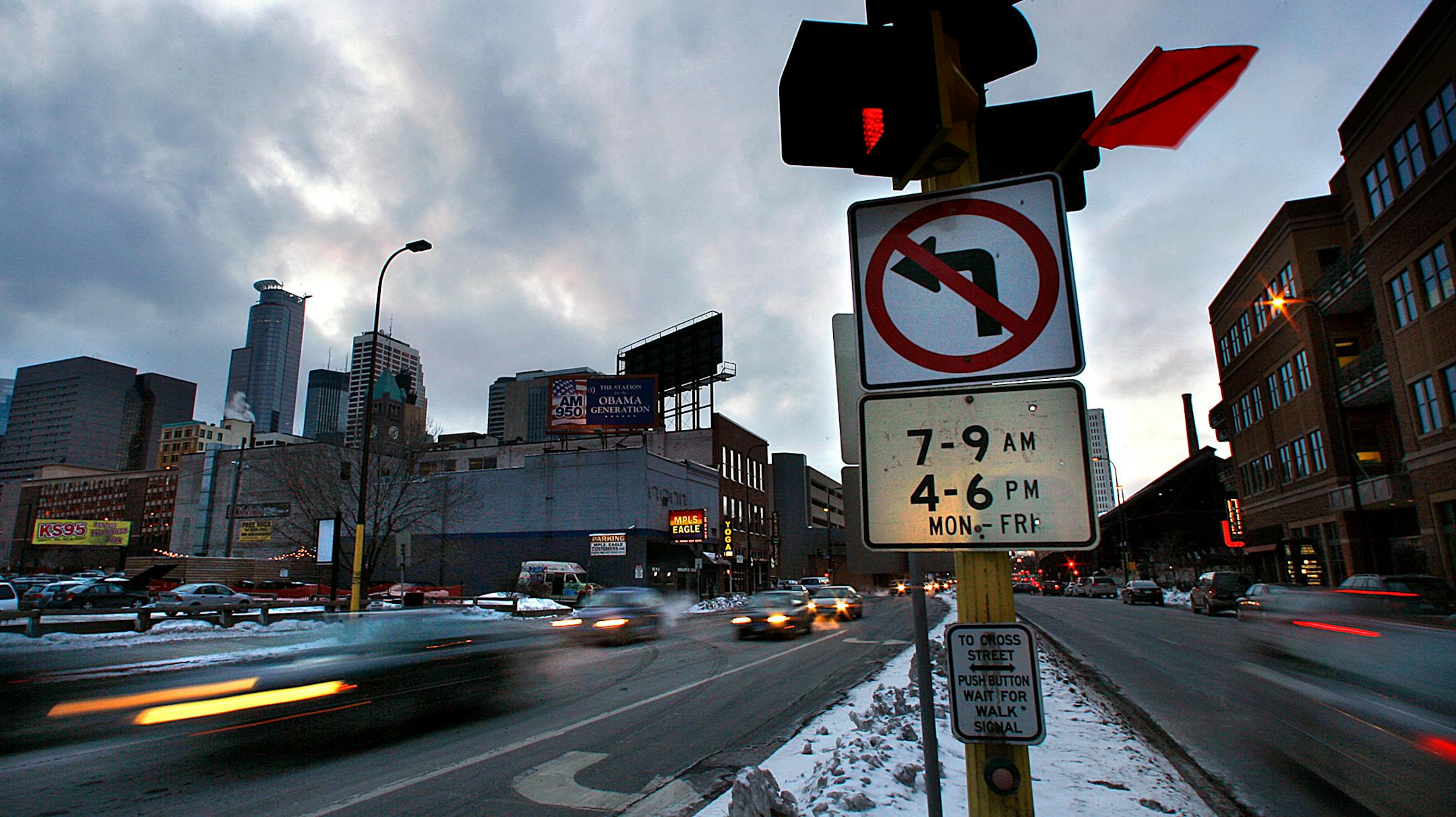
A study from a British car insurance company and a university in Wales found that operating a car with a cold is the equivalent to driving after consuming four double whiskies. (Colleen Kelly — Star Tribune file photo/The Minnesota Star Tribune)

A new study suggests that drivers should worry about being picked up for driving under the influence -- of a cold. A study from a British car insurance company and a university in Wales found that operating a car with a cold is the equivalent to driving after consuming four double whiskies. A cold can impair concentration levels, alertness and reaction times, just as alcohol does, according to the study.

But the reason for the appearance of driving drunk isn't due just to cold symptoms, said Dr. Greg Weisshaar, an urgent care physician for Park Nicollet in St. Louis Park. More likely it's from sleep deprivation caused by nighttime coughing, sniffling and aching, he said. Attempts to self-medicate can make the problem even worse. Some cold remedies contain 27 percent alcohol and many antihistamines cause drowsiness.

To prevent colds (and flashing lights in the rearview mirror), Weisshaar recommends frequent hand washing, getting plenty of sleep, eating healthful foods and exercising.

about the writer

about the writer

John Ewoldt

Reporter

John Ewoldt is a business reporter for the Star Tribune. He writes about small and large retailers including supermarkets, restaurants, consumer issues and trends, and personal finance.  

See Moreicon

More from Business

See More
card image
Fairview Health Services

The school is changing an elective course while still working with the Eden Prairie-based health care giant after students raised concerns.

This transmission electron microscope image shows SARS-CoV-2, the virus that causes COVID-19, isolated from a patient in the U.S., emerging from the surface of cells cultured in the lab. (NIAID/TNS) ORG XMIT: 1659810
card image