

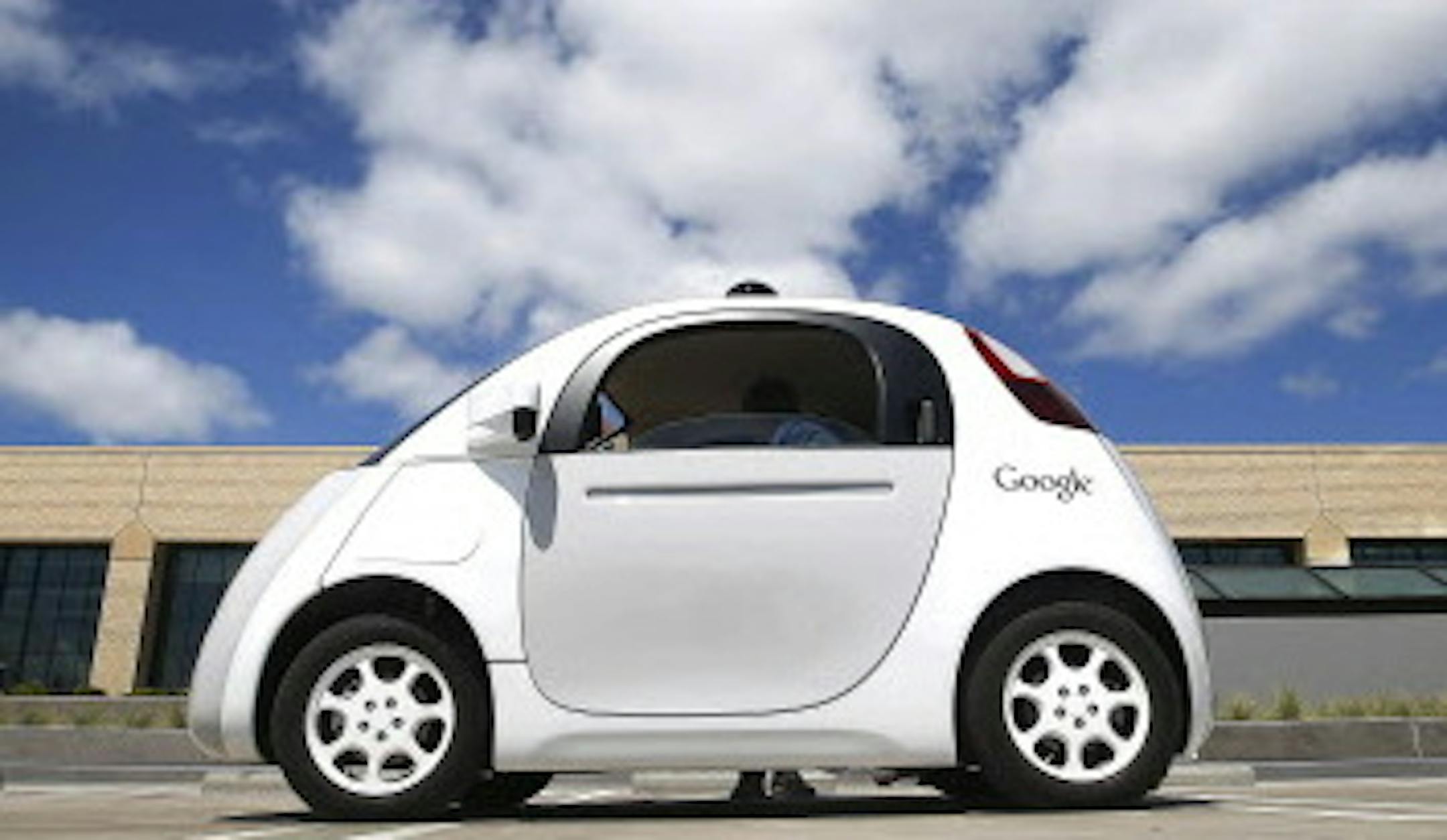
News on Tuesday that Google and Ford will reportedly collaborate on building a driverless car represents a big move forward in the unfolding evolution of autonomous vehicles. But while 2016 promises to be chock-full of more tech innovation insinuating itself into our daily lives, driverless cars will probably not yet be part of the picture.
Apple, Tesla, Google and Nissan are already cranking out prototypes and test-driving autonomous and semiautonomous vehicles around Silicon Valley and beyond. And to have giants like Google and Ford standing together at the autonomous altar is a sign of the big things coming down the road, in this case without drivers.
Google and Ford "each possess something the other one needs," said Phil Magney, founder and principal adviser to Vision Systems Intelligence, a research group that works with companies designing and developing autonomous vehicles. "Obviously Google brings a tremendous amount of technology to the table, particularly as it relates to autonomous controls. And Ford has been building cars for 100 years, and they bring a lot of know-how regarding these driverless vehicles."
But roadblocks remain, including engineering challenges in rigging a car with the network of sensors that would act as a vehicle's eyes and ears.
"Building an autonomous car is hard, but developing an autonomous car is even harder," Magney said. "For example, combining signals from multiple sensors is one of the most complex elements of autonomous control systems."
There's also the societal apprehension around driverless cars, pesky and complex legal issues surrounding this nascent industry and government regulations designed to slow down the driverless momentum. California recently released draft rules governing the use of driverless cars that Google didn't like.
Still, if the innovation coming from these and other companies continues apace, autonomous vehicles could account for 10 percent of global vehicle sales by 2035, according to the Boston Consulting Group. The same report said that 44 percent of U.S. consumers polled said they would consider buying a fully autonomous vehicle within 10 years.



