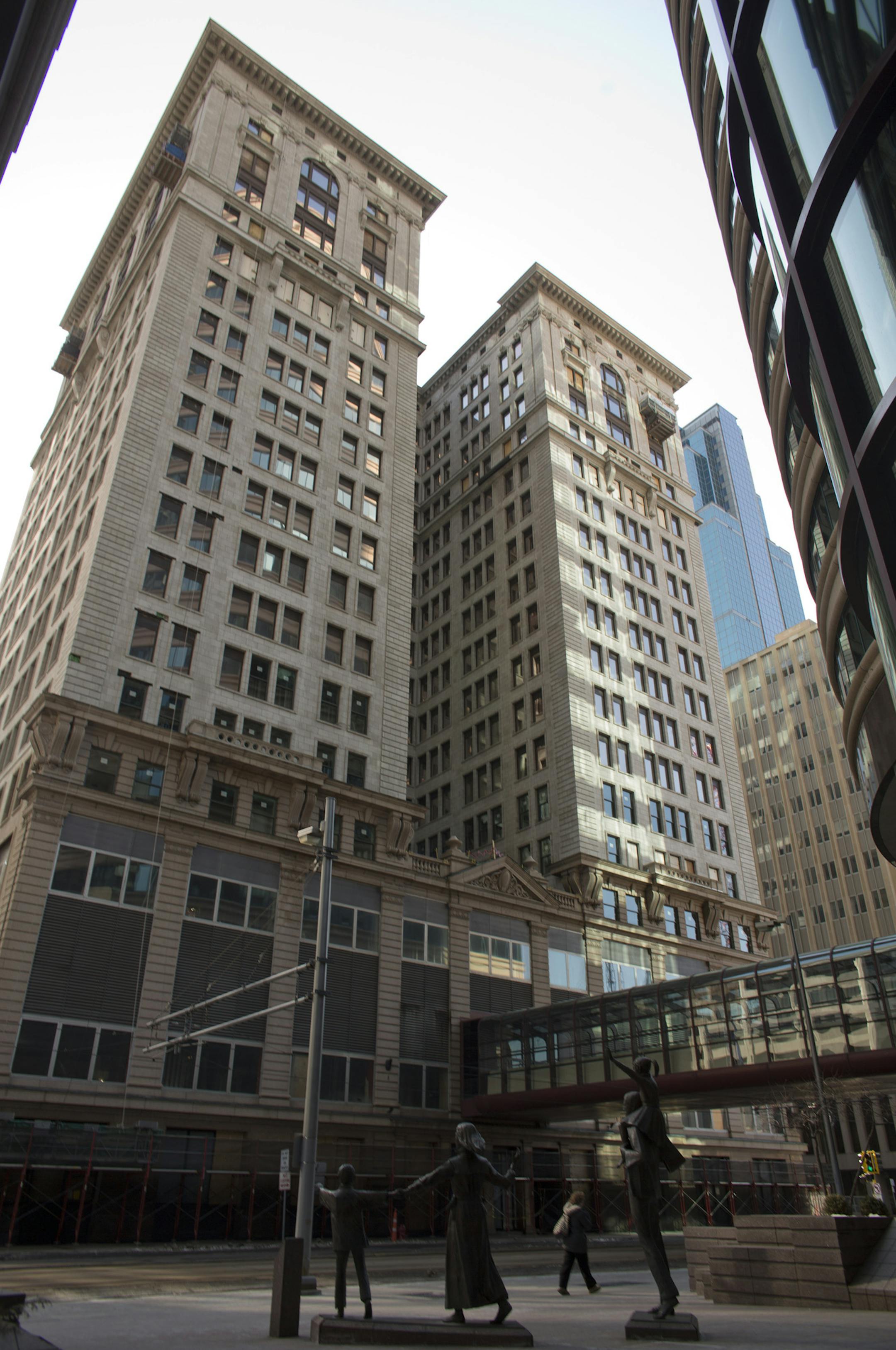
For decades, the stately Soo Line Building — once headquarters to the Soo Line Railroad and U.S. Bank — dominated the Minneapolis skyline. Old age hasn't been kind to the 98-year-old tower. Taller, sleeker office buildings and changing business needs have rendered its once-bustling offices nearly obsolete.
Still, the Soo Line's potential wasn't lost on Jonathan Holtzman. The Michigan apartment developer/owner bought the former grande dame of the Minneapolis skyline last year and plans to convert the structure into more than 250 luxury apartments.
"It's going to be spectacular," he said, noting that he's spending $1.6 million in steel alone to support a rooftop swimming pool and club room with Zen garden and park.
The Soo Line is one of several Twin Cities office buildings being transformed into rental apartments. It's a trend driven by a unique set of circumstances, including a shift in attitudes toward renting, an abundance of outdated office space, and the need for developers to set themselves apart in a competitive market.
Converting commercial buildings into living space is nothing new, especially in urban areas where warehouse conversions have been happening for decades. Recently, developers have turned their attention to Class B and C office buildings, which tend to be older buildings that lack the amenities of more modern structures.
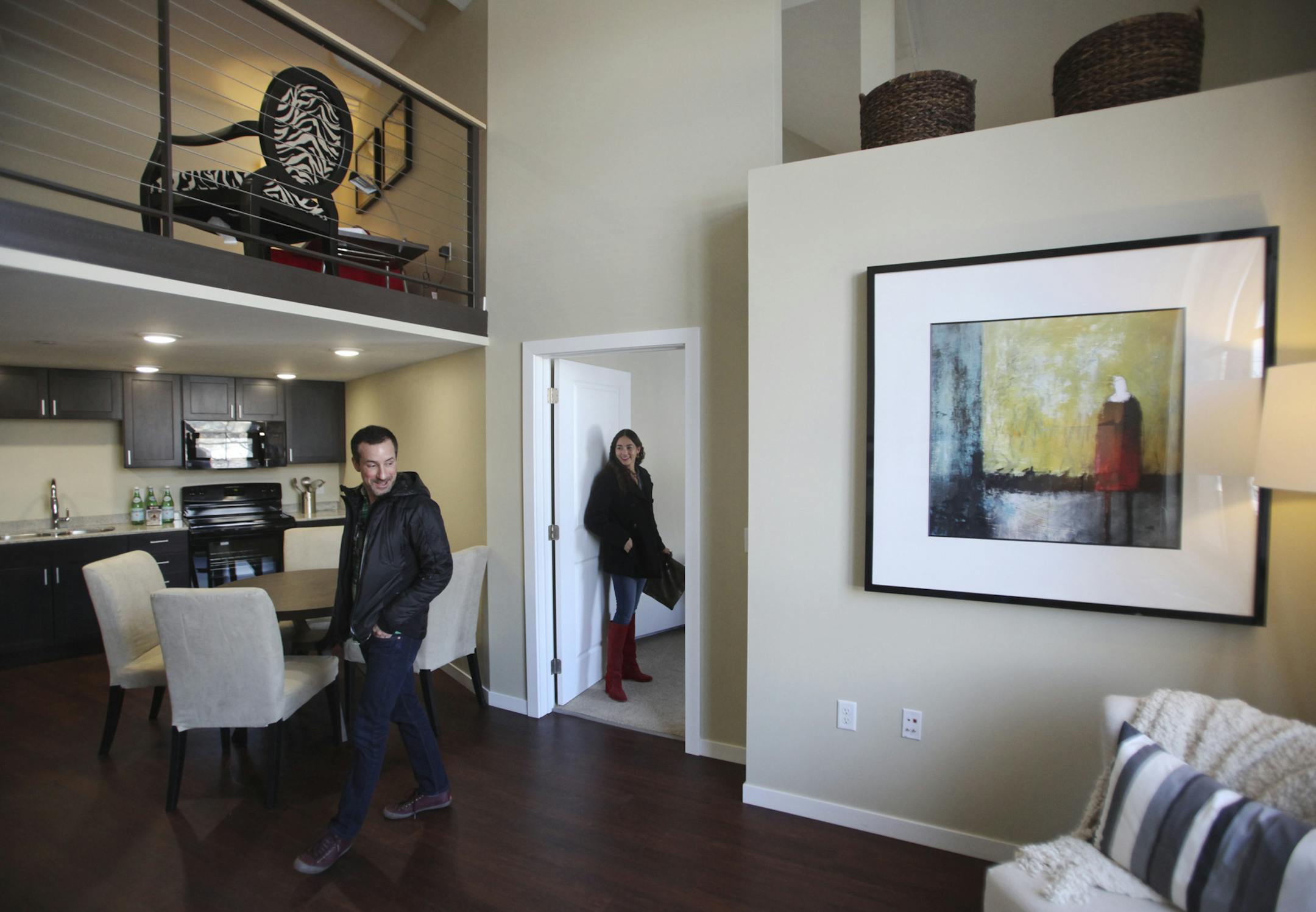
Recently, Michael Korsh led the effort to transform a small office building on a tree-lined street across from Loring Park into apartments. Because the building, now called 430 Oak Grove, has historic status, an unusual shape and was built for offices, no two floor plans are alike.
StuartCo, the leasing company for the property, said the building has secured renters faster than anticipated because it offers a sense of history that newer buildings can't.
"There are still all of the luxuries of a new class 'A' apartment, but you also get character and uniqueness that is very difficult to imitate," said Korsh, director of real estate development for Kraus-Anderson Realty Co.