

It began as insinuation, but quickly flowered into outright declaration. Words used to describe the killer, Adam Lanza, began with "odd," "aloof" and "a loner," shaded into "lacked empathy," and finally slipped into "on the autism spectrum" and suffering from "a mental illness like Asperger's." By Sunday, it had snowballed into a veritable storm of accusation and stigmatization.
Whether reporters were directly attributing Lanza's shooting rampage to his autism or merely shoddily lumping together very different conditions, the false and harmful messages were abundant.
Let me clear up a few misconceptions. For one thing, Asperger's and autism are not forms of mental illness; they are neurodevelopmental disorders or disabilities. Autism is a lifelong condition that manifests before the age of 3; most mental illnesses do not appear until the teen or young adult years. Medications rarely work to curb the symptoms of autism, but they can be indispensable in treating mental illness like obsessive-compulsive disorder, schizophrenia and bipolar disorder.
Underlying much of this misreporting is the pernicious and outdated stereotype that people with autism lack empathy. Children with autism may have trouble understanding the motivations and nonverbal cues of others, be socially nave and have difficulty expressing their emotions in words, but they are typically more truthful and less manipulative than neurotypical children and are often people of great integrity. They can also have a strong desire to connect with others and they can be intensely empathetic -- they just attempt those connections and express that empathy in unconventional ways. My child with autism, in fact, is the most empathetic and honorable of my three wonderful children.
Additionally, a psychopathic, sociopathic or homicidal tendency must be separated out from both autism and from mental illness more generally. While autistic children can sometimes be aggressive, this is usually because of their frustration at being unable to express themselves verbally, or their extreme sensory sensitivities. Moreover, the form their aggression takes is typically harmful only to themselves. In the very rare cases where their aggression is externally directed, it does not take the form of systematic, meticulously planned, intentional acts of violence against a community.
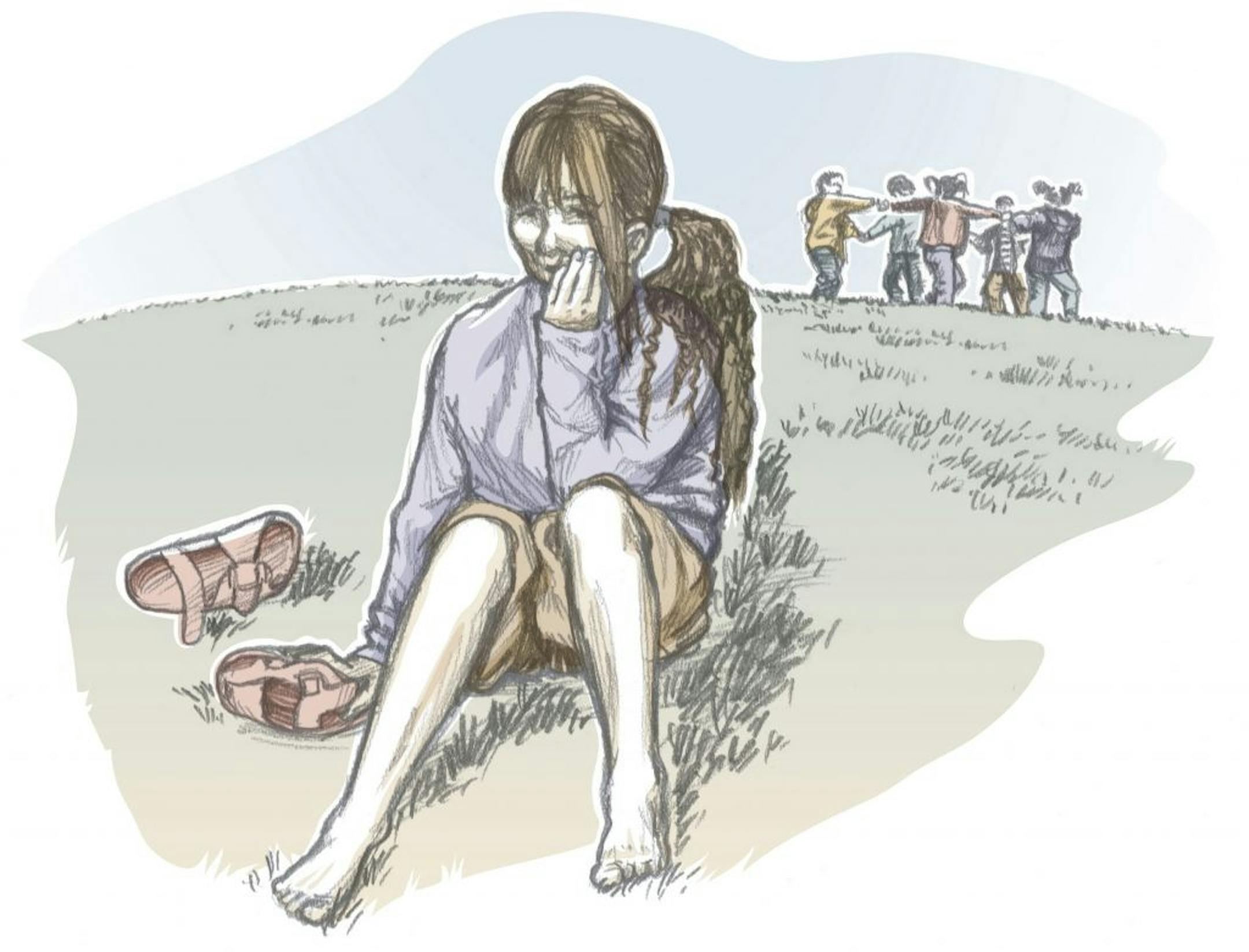
And if study after study has definitively established that a person with autism is no more likely to be violent or engage in criminal behavior than a neurotypical person, it is just as clear that autistic people are far more likely to be the victims of bullying and emotional and physical abuse by parents and caregivers than other children. So there is a sad irony in making autism the agent or the cause rather than regarding it as the target of violence.
In the wake of coverage like this, I worry, in line with concerns raised by the author Susan Cain in her groundbreaking book on introverts, "Quiet": will shy, socially inhibited students be looked at with increasing suspicion as potentially dangerous? Will a quiet, reserved, thoughtful child be pegged as having antisocial personality disorder? Will children with autism or mental illness be shunned even more than they already are?
This country needs to develop a better understanding of the complexities of various conditions and respect for the profound individuality of its children. We need to emphasize that being introverted doesn't mean one has a developmental disorder, that a developmental disorder is not the same thing as a mental illness, and that most mental illnesses do not increase a person's tendency toward outward-directed violence.


