

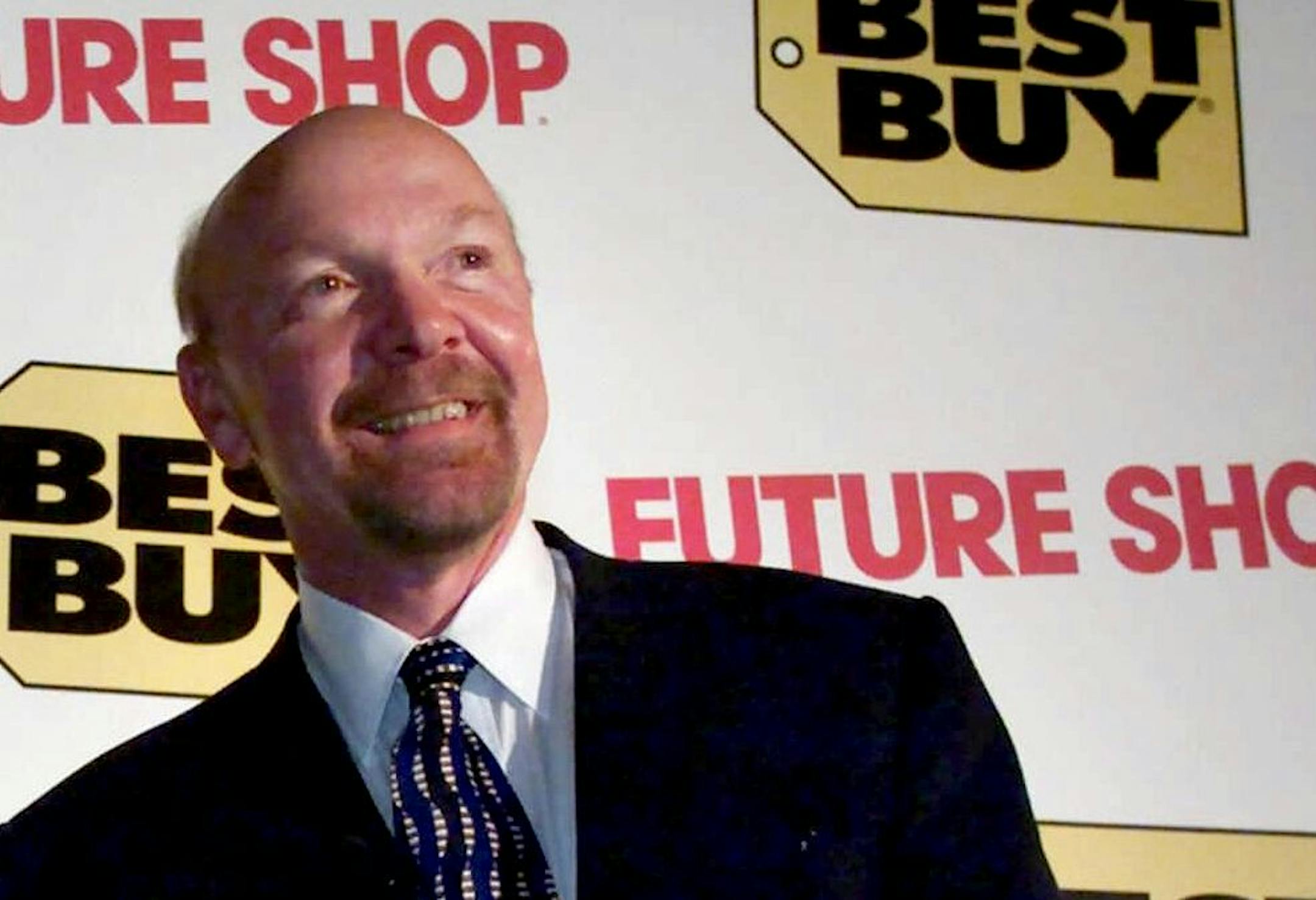
As a longtime resident of the Forbes 400 list of wealthiest Americans, Richard Schulze must have been surprised that investors showed so little interest in his bid for Best Buy Co.
His first letter to Best Buy's chairman in early August outlined a bid of $24 to $26 per share. In the days that followed, the stock price was relatively stagnant, sitting below $20 a share. His second letter to the board late last week didn't offer much that was new, but the headline value of Schulze saying he wasn't going away stirred Wall Street, nudging up the stock nearly 5 percent to end the week at $20.27.
With a sizable price gap from the lower end of his bid and with the Best Buy board stiff-arming him, Schulze isn't looking like a credible buyer today. But a determined billionaire with a lifelong record of innovation and achievement is not somebody to underestimate.
"Why isn't he getting more respect?" said David Strasser, a senior analyst with the investment firm Janney Montgomery Scott. "We have been trying to track that down ourselves."
Strasser is a relative optimist about Best Buy and has argued that its same-store sales declines are largely related to product cycles in key categories rather than evidence that Amazon.com is running the company out of business. So while he disagrees with much of the naysayers' case against Schulze, Strasser ticked through the factors reflected in the market's ho-hum reaction to Schulze's bid.
First, there's the Minnesota business combination law, which rules out any sort of hostile acquisition and has other rules apparently getting in the way of Schulze forming an investment group.
Then, there's the prospect of former CEO Brad Anderson and former chief operating officer Allen Lenzmeier agreeing to join the 71-year-old Schulze in leading the company if he gains control.
"Can you have a bunch of senior citizens turning around this company? That's what the fears are," Strasser said.


