
Does Minnesota adequately protect water from nitrate pollution? Judge orders agencies to find out

Contamination from large-scale agriculture manure and fertilizer is linked to health problems including cancer.

The Minnesota Star Tribune
September 9, 2025 at 9:30PM
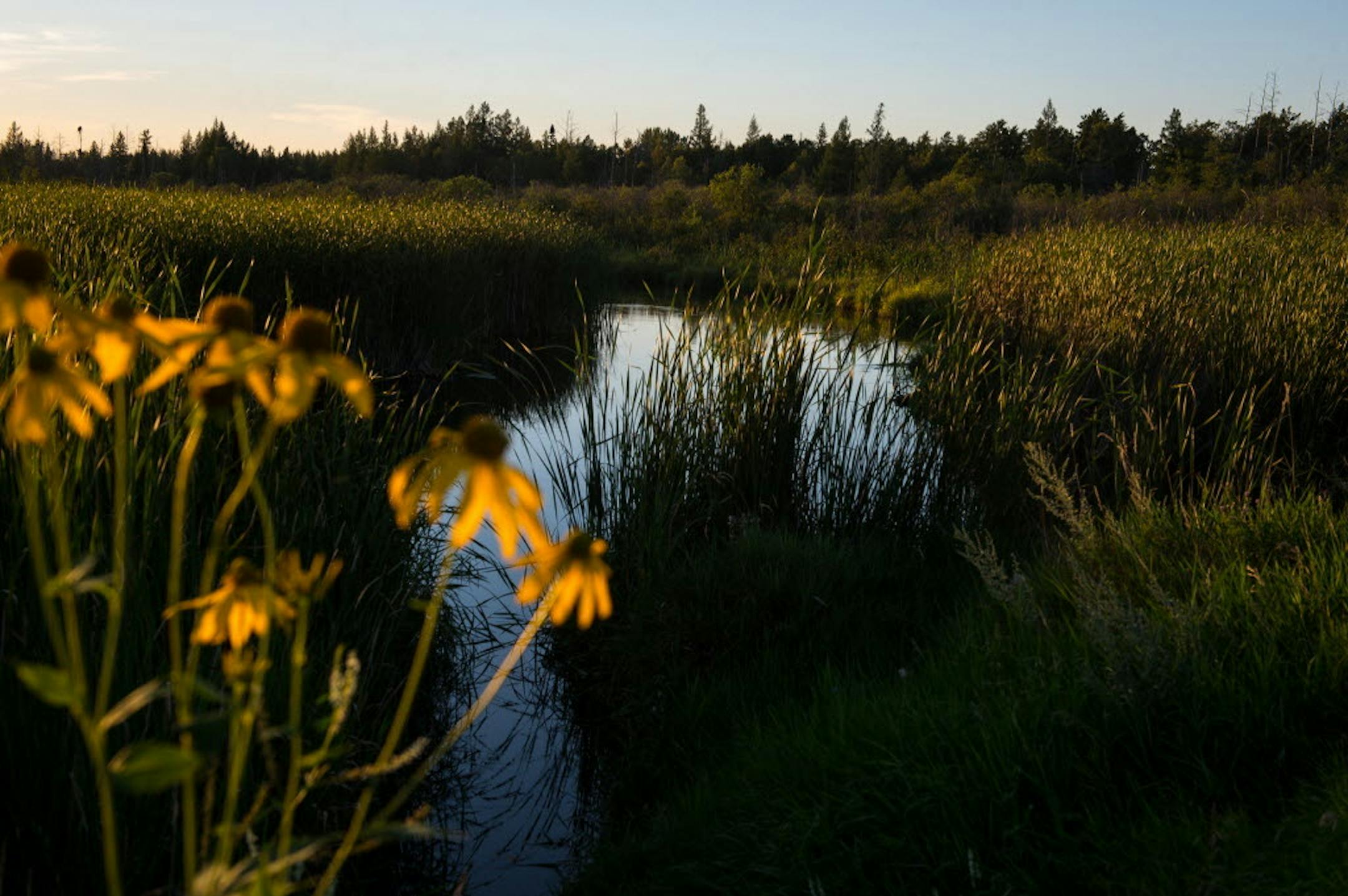
Minnesota agencies will review feedlot, manure and commercial fertilizer rules under an agreement with environmental advocates suing the state for more stringent regulations governing nitrate pollution. (Mike Mullen — Aaron Lavinsky, Star Tribune/The Minnesota Star Tribune)

A judge ordered Minnesota state agencies overseeing nitrate and water pollution issues to review the effectiveness of their rules as part of a lawsuit by environmental advocates.

Ramsey County District Court Judge Mark Ireland last Friday solidified an agreement among advocates and the Minnesota Pollution Control Agency (MPCA) and the Minnesota Department of Agriculture to review whether their commercial and agricultural standards are effective in reducing nitrates in groundwater.

At the same time, Ireland ordered no further legal action from advocates, led by attorneys with the Minnesota Center for Environmental Advocacy (MCEA), on the state’s feedlot and groundwater protection regulations until the agencies complete their reviews.

Advocates are celebrating the order as a “crucial first step” toward improving Minnesota’s water quality and getting rid of nitrate pollution in the state’s southeastern counties.

Nitrate pollution stems from large-scale agriculture manure and fertilizer. About 90% of the nitrate in southeast Minnesota’s water comes from fertilizers spread on croplands, a state study concluded in 2013.

Newer research links adverse health effects to drinking water with even lower levels of nitrate than the current 10-milligram standard. The conditions include colorectal cancer, thyroid disease and neural tube defects.

“Forcing [agencies] to look first at the adequacies of the old rule is really going to inform how the new rule develops,” said Joy Anderson, lead counsel for the MCEA.

MPCA officials started reviewing agricultural feedlot rules earlier this year; Agriculture Department officials agreed to follow suit in reviewing groundwater rules.

In a joint statement, officials from both agencies said they agreed to the review as a process they’re already undertaking.

“The two agencies have a long history of collaboration on this topic,” the statement said. “We look forward to a thorough analysis of the work that has taken place as we continue to protect Minnesota’s land, air and water.”

There aren’t definitive timelines set for the review, though the Agriculture Department has up to a year to produce early results. If the MCEA finds fault in the agency reviews, it has to right to go back before a judge to decide whether state practices are adequate, though Anderson said that’s a step advocates don’t want to take.

“We think that this is a really important opportunity for everyone to come together,” Anderson said. “Both of these rules have a public process ... and so we really want this to be the process under which the people of Minnesota come together.”

The MCEA and other advocates sued the state in January to compel officials to follow through on Minnesota’s promise in 2023 to the federal Environmental Protection Agency (EPA) to act quickly to help residents in southeast Minnesota with dangerous levels of nitrates in their wells.

Advocates approached the EPA in 2023 with concerns Minnesota wasn’t doing enough to enforce nitrate standards. The EPA urged the state to take action to protect people with polluted water, stopping short of an official order.

Last year, state officials provided water to southeast Minnesota residents with polluted wells who were pregnant or had infants. Lawmakers directed $16 million in 2024 toward well testing, inventorying wells in the region and cleaning up wells polluted with farm runoff, among other issues.

Environmental groups say they’ve been frustrated for years with Minnesota’s commitment to changing its nitrate standards, arguing that agencies have dragged their feet over updating their policies to protect private well owners from pollution. They also contend there’s little incentive from federal officials to address nitrate runoff.

They would like to see more flexible standards in place for farmers depending on where nitrogen is leaking — the porous geology of southeast Minnesota is different from sandy central Minnesota, and the standards may need to shift to accommodate the terrain.

“If you want to regulate nitrogen fertilizer applications, you have to begin not by saying these are all voluntary guidelines,” said Paul Wotzka of the Minnesota Well Owners Organization. “You have to begin by saying there is a loss of nitrogen here that is not tolerable.”

Wotzka, a retired hydrologist who once worked for the MPCA, said he hopes state officials will start focusing on more preventive measures that could address contaminated aquifers and curb the health issues cropping up among rural residents.

Minnesota officials have measured nitrate water pollution since 1990. Nitrate levels largely have risen across the state since then. Although cities and towns have wastewater treatment plants to address pollutants, private wells aren’t regulated, and owners have to treat water on their own.

about the writer

about the writer

Trey Mewes

Rochester reporter

Trey Mewes is a reporter based in Rochester for the Star Tribune. Sign up to receive the Rochester Now newsletter.

See Moreicon

More from Greater Minnesota

See More
card image
Leila Navidi/The Minnesota Star Tribune

Friday’s morning commute and weekend travel could be impacted by the snow.

card image
card image