

Opinion editor's note: Star Tribune Opinion publishes a mix of national and local commentaries online and in print each day. To contribute, click here.
•••
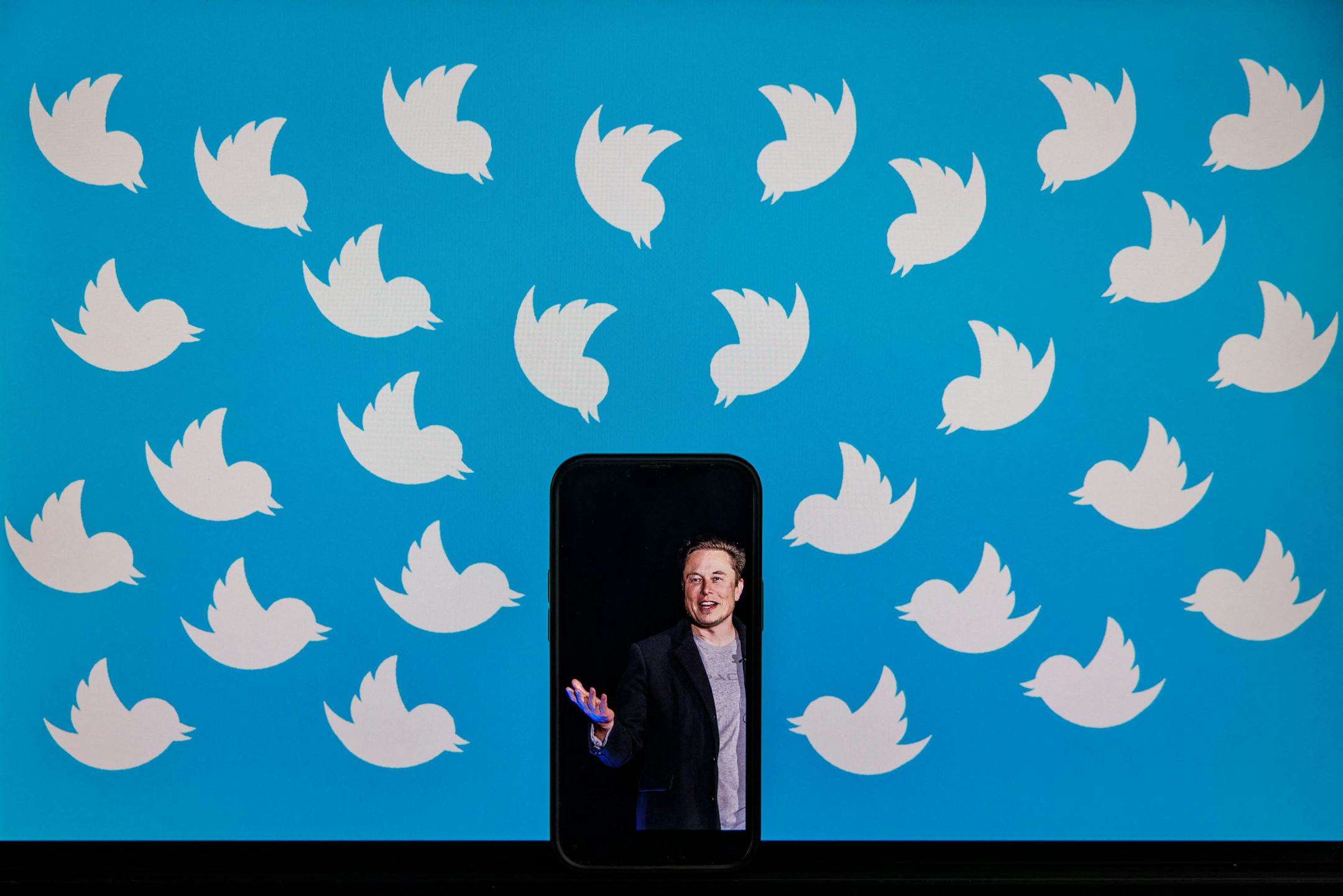
With the benefit of ample hindsight, it has come to feel inevitable that Twitter would turn into a cesspool of abuse and misinformation and that the powerful — governments, politicians, corporations, celebrities — would find ways to control and manipulate it to their own benefit.
But as I've watched the platform descend into chaos over the past couple of weeks, I've been thinking a lot about how being on Twitter felt back in May 2009, when I arrived in India as a correspondent for the New York Times. I had signed up for an account about six months earlier, but it wasn't until I landed in Delhi that I truly understood the platform's potential.
Twitter was an intoxicating window into my fascinating new assignment. Long suppressed groups found their voices and social media-driven revolutions began to unfold. Movements against corruption gained steam and brought real change. Outrage over a horrific gang rape in Delhi built a movement to fight an epidemic of sexual violence.
"What we didn't realize — because we took it for granted for so long — is that most people spoke with a great deal of freedom, and completely unconscious freedom," said Nilanjana Roy, a writer who was part of my initial group of Twitter friends in India. "You could criticize the government, debate certain religious practices. It seems unreal now."
Soon enough, other kinds of underrepresented voices also started to appear on — and then dominate — the platform. As women, Muslims and people from lower castes spoke out, the inevitable backlash came. Supporters of the conservative opposition party, the Bharatiya Janata Party, and their right-wing religious allies felt that they had long been ignored by the mainstream press. Now they had the chance to grab the mic.
And grab it they did. By 2014, when the BJP first won national elections, driven in no small part by its innovative use of social media to tap into middle-class discontent with the status quo, Indian Twitter was well on its way to becoming one of the world's most vitriolic online spaces, filled with ad hominem attacks and incitements to violence. And having used social media so adroitly to win power, the new government realized that controlling platforms like Twitter would be crucial to suppressing dissent.


