

Behavioral economists study human errors. People don't always make the best choices for themselves, so there's good reason to doubt whether they will always make the best choices for others.
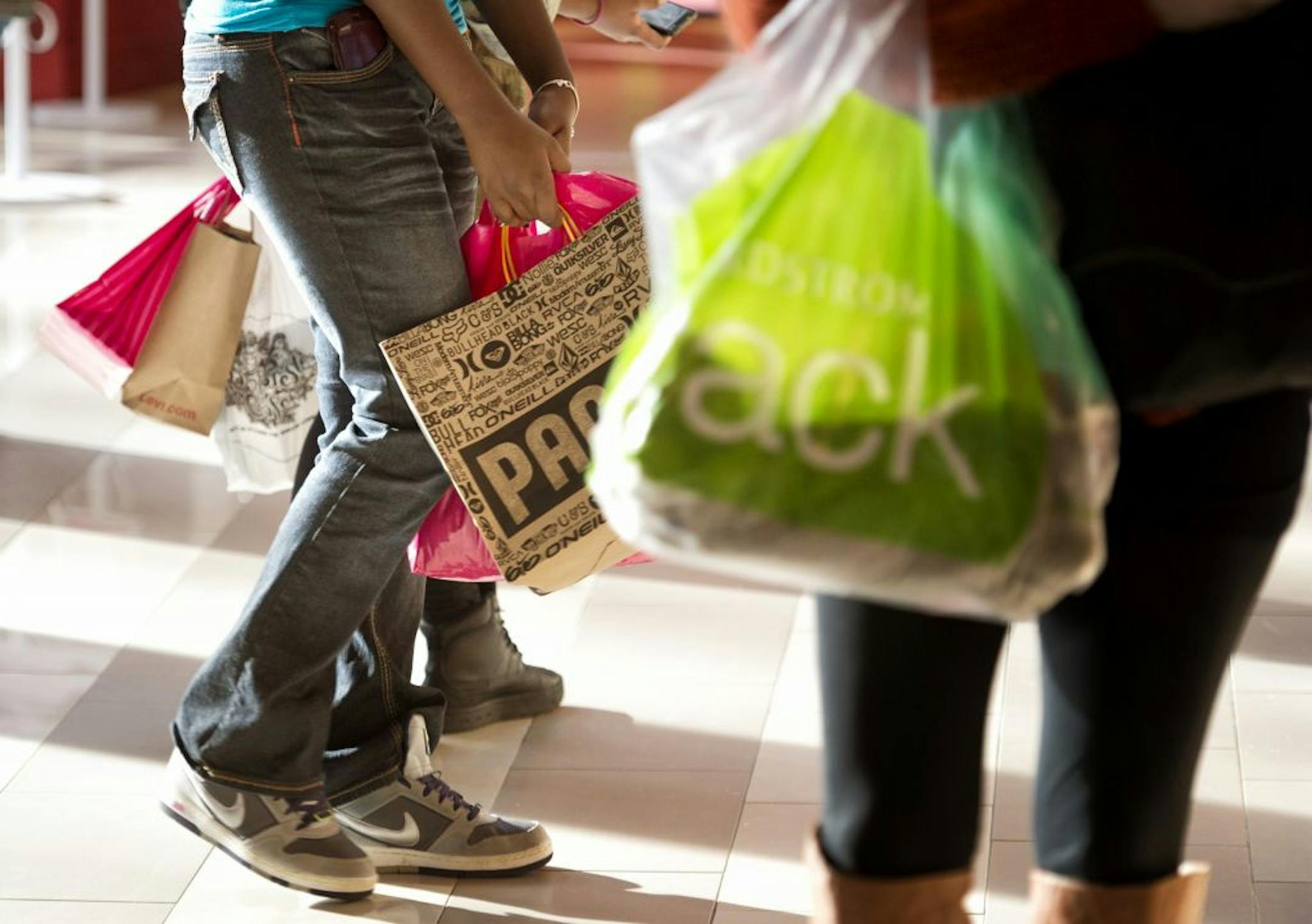
If you've ever received a useless gadget, a horrendous tie or some kind of bowl, you'll know that when people buy Christmas presents, they can blunder badly. Chances are pretty good that whatever you end up getting people this year, and however hard you try, some of them aren't going to think that the gift is worth what you paid for it.
University of Minnesota economist Joel Waldfogel, author of "Scroogenomics," finds that Americans spend about $65 billion on winter holiday presents every year -- and that many of those billions are simply wasted, because a lot of people don't much like what they get. Typically, the value of a gift, to the recipient, is about 20 percent lower than its cost. He describes the holiday season as "an orgy of value destruction."
Mis-giving is a big problem for givers as well as recipients. In a large survey, the average respondent was found to give 23 presents every holiday season. Gift-giving can also take an economic toll. Personal debts tend to jump after December. That isn't ideal, especially in hard economic times and if recipients aren't thrilled with what they get.
Here are some tips for gift-givers, building on six behavioral findings that bear directly on holiday mis-giving.
Egocentric bias: If you are like most people, you have an exaggerated sense of how much other people are like you. Suppose you covet that new "Star Wars" limited-edition watch, or think your life would be immeasurably better with a fishing rod. Beware of thinking that other people will like what you like.
Focusing illusion: When people focus on a product or an activity, or on a single feature of a situation, they tend to think that it matters a lot more than it does. For example, people in both California and Iowa have been found to think that people in California are happier than those in Iowa (which isn't so). The reason for the mistake is that people focus on the most salient difference between California and Iowa, which is the weather, even though a warmer climate doesn't much affect people's happiness.
Projection bias: When people are hungry, they tend to order a ton of food, even if they are not going to eat all or even most of it. On frigid days, people buy clothing that is needed in cold weather, such as parkas and winter coats. That's fine as far as it goes, but they sometimes buy more than they need. The return rate is unusually high for cold-weather products bought in low temperatures. Don't be unduly influenced by how you feel on the day that you happen to be shopping.


