Editor's Pick

Editor's Pick

Two DJs stalked by the same listener. Is a life of terror the price of being in the public eye?

December 1, 2025
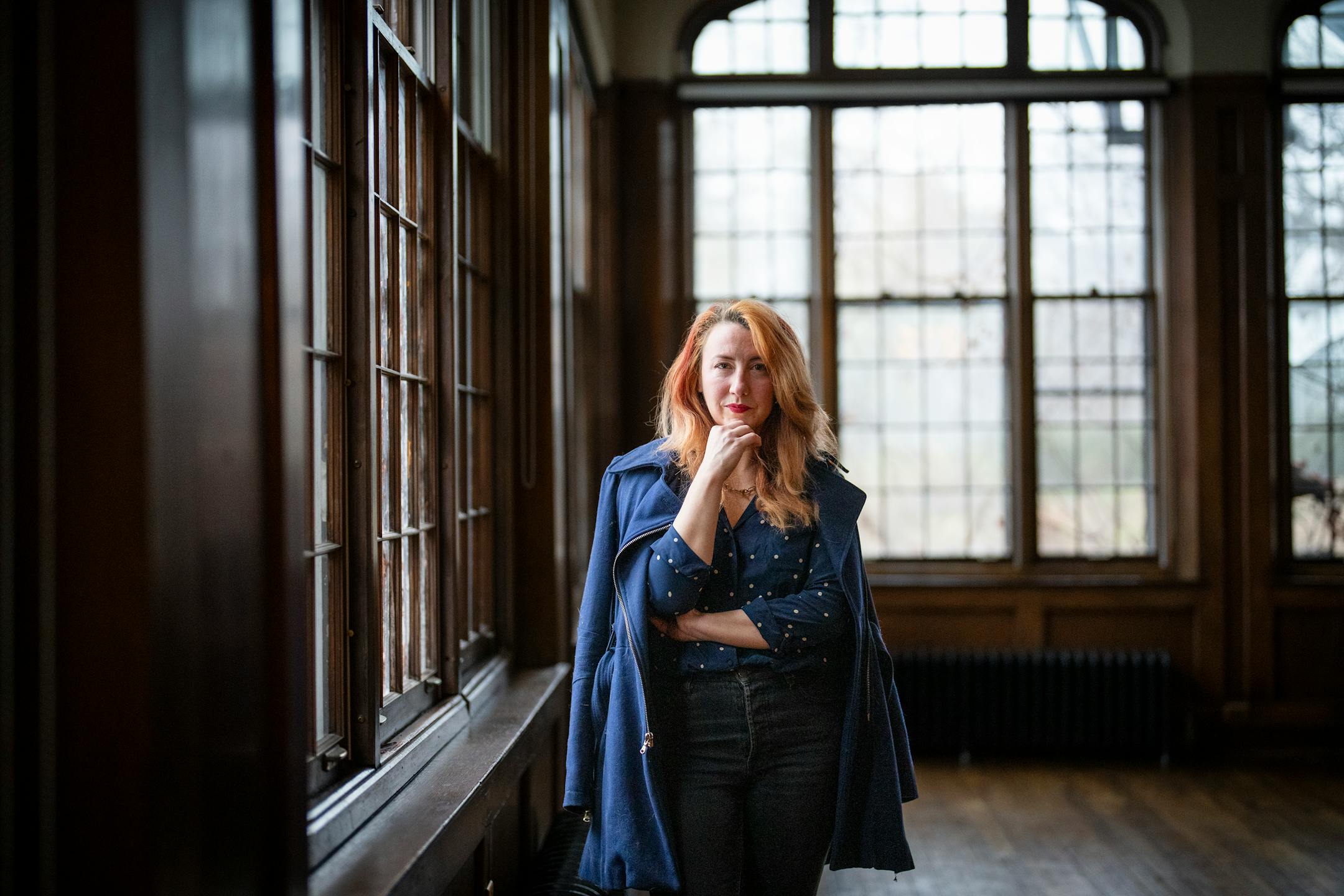
Longtime Twin Cities DJ Mary Lucia has endured years of abuse from a stalker, who later turned his sights on her colleague Jade Tittle. (Leila Navidi/The Minnesota Star Tribune)

What made Mary Lucia and Jade Tittle so good at their jobs also brought a decade of abuse. Our desire to “know” on-air personalities puts women, especially, at risk.

The Minnesota Star Tribune

During nearly two decades at Minnesota Public Radio’s alt-rock station, DJ Mary Lucia became known for sharing intimate stories about her personal life, including how she’d changed her sick dog’s diaper and, through sobs, her beloved pug’s last day on earth.

Lucia’s authenticity put her on a nickname basis with The Current listeners, who could feel like they were chatting with their bestie, “Looch.” And it’s also, as Lucia’s new memoir reveals, what led one of them to drop off a 10-pound “gift,” wrapped in white butcher paper, at MPR’s St. Paul headquarters, in 2014.

In “What Doesn’t Kill Me Makes Me Weirder and Harder to Relate To,” Lucia details how the station’s front-desk attendant blithely accepted the mushy package and placed it in Lucia’s mailroom slot, where it sat until it stank.

“When I had to bring that raw meat down to the lawyer’s office, I was so terrified and discombobulated,” Lucia said in a recent interview. “I was humiliated.”

The parcel’s arrival started a yearslong barrage of threatening letters, grotesque phone messages and terrifying visits to Lucia’s home. And after the man behind it was convicted of stalking and terroristic threats, he refocused his disturbing obsession on Lucia’s fellow DJ Jade Tittle.

While their shared stalker was especially abusive and relentless, female radio and television broadcasters in Minnesota and beyond say they’re frequently subjected to gender-based harassment from listeners and viewers.

Especially, some note, now that on-air personalities are seen as personal brands, expected to grow their station’s audience on social media and at events. Especially now that the public discourse is awash in dehumanizing attacks.

Many female broadcasters keep private the sexually explicit and violent messages they receive, due to shame or concern about their professional prospects and safety. Few have publicly revealed how deeply the experience of being stalked has exhausted and disturbed them as Lucia and Tittle.

And as their stalker has cycled in and out of the criminal-justice system for the better part of a decade, the two are left to wonder if a spot in the public eye is worth a life spent looking over their shoulders.

Nuisance — or threat

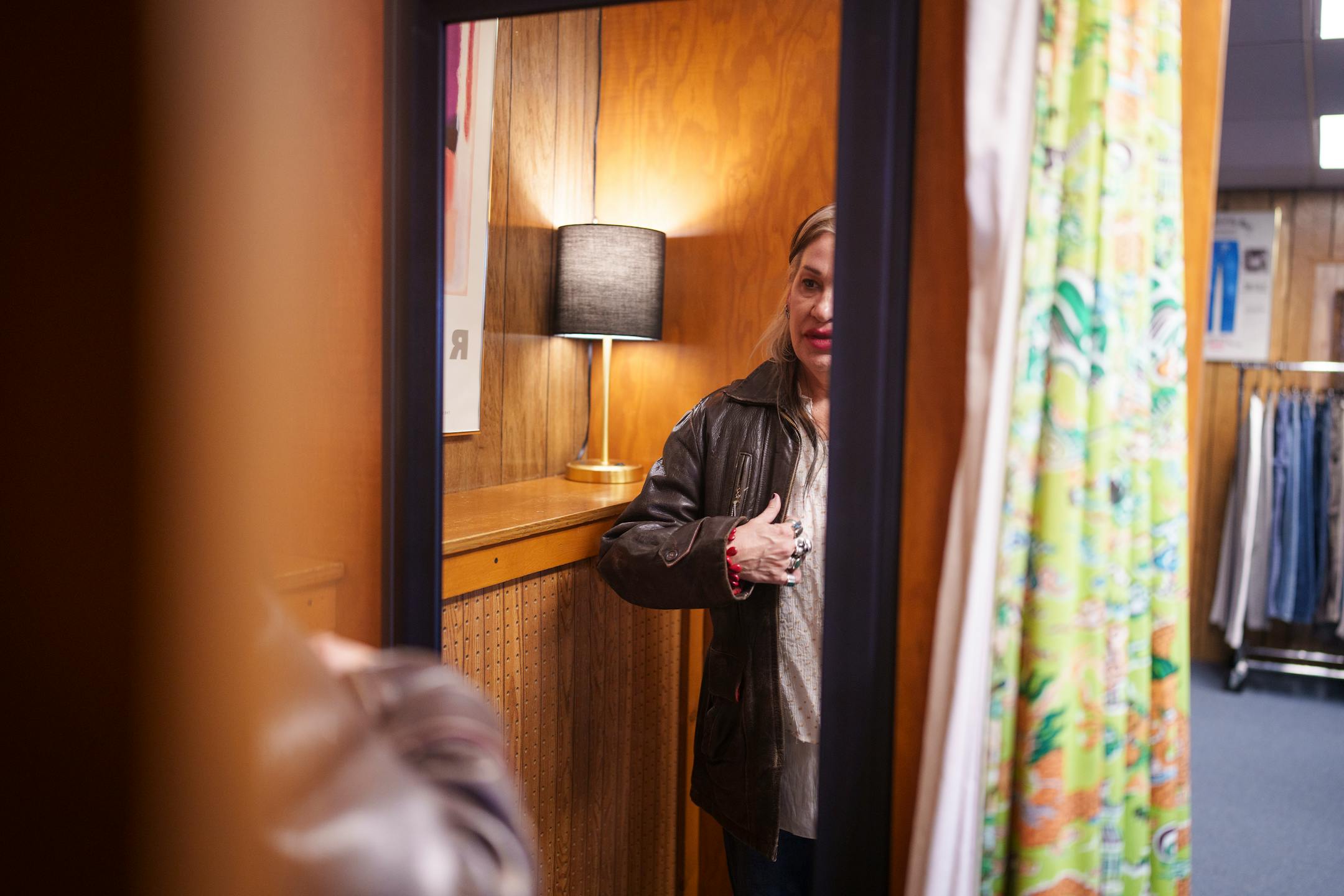
Lucia looks like she’s won seven Best FM Radio Personality awards from the local alt-weekly. Black leather jacket. Sunglasses. Several pounds of silver skull rings and bangles. Her aura is that of a cool big sister who knows all the best bands — but will also give you a ride to the show.

Lucia had long received unwanted messages and items from listeners, including dog tags and cigarette butts, which she mostly saw as a nuisance.

There was the guy who left dozens of accusatory voicemails on her desk phone. The one who left notes on her windshield of her car. The one who delivered pizzas to her during a weekly live show. And the guy who sent graphic, prurient letters to her from the hospital in St. Peter that secures people declared mentally ill and dangerous.

Mary Lucia shops for vintage clothing in Minneapolis. Her black leather jacket, along with silver rings and bracelets, are a signature part of her look.

After the meat package, Lucia began receiving anonymous sympathy cards written in an overfamiliar, yet threatening tone as well as strange objects, including religious artifacts and a blurry Polaroid of a masked person. Doing her own detective work, Lucia suspected it was all coming from the same man. Someone, it turned out, who had emailed condolences upon her dog’s death and said that he, too, had recently lost his pet and was having a difficult time.

Lucia had sent an empathetic response, having no idea that this small caring gesture — the same type of message she’d written to strangers hundreds of times before — might catalyze the stalker’s one-sided emotional bond.

More access, more risk

Radio and TV bring broadcasters’ voices and faces into our homes. That can cause parasocial relationships when audiences “know” someone they’ve never met. The advent of email and social media made broadcasters more accessible, notes Scott Libin, a veteran news director who now teaches at the University of Minnesota. And bosses encouraged staff to amplify the sense of connection. “I heard news directors saying things like, ‘Let people hear your voice a little bit and give them a little peek behind the curtain. They love to hear about your life outside of work.’”

In the contracting media business, a broadcaster’s fan base — measured in social media followers — is career currency. And Libin says managers didn’t always anticipate the consequence of increasing interactions and personal sharing, including family members’ names and activities. “You’re giving people a level of access they didn’t traditionally have that might lead them to think, mistakenly, that they really have a place in your personal life,” he said.

That tracks with Lucia’s experience at MPR. “They really wanted to use you as a marketing tool and maybe didn’t have the bandwidth to understand how that could go so terribly awry,” she said. “This trauma was a direct result of my job.”

MPR declined to answer specific questions about Lucia’s and Tittle’s experiences and the company’s response, but in an emailed statement, a spokesperson noted that the company experienced senior leadership change in 2020 and has since been improving its organizational culture along with safety and security practices, which they refrain from publicly detailing.

Lucia says that during her tenure, MPR’s management and hosts rarely discussed preventing or receiving threats, and that a code of silence pervaded. “No one talked about it,” she said. “But it was hard for me to believe I was the only one.”

One of many

Turns out, she’s not.

Among a dozen local broadcasters who replied to requests for interviews about their experience with gender-based harassment from audiences, few agreed to speak on the record. But everyone seemed to have a story, including some of Lucia’s MPR colleagues. The most common experience was sexualized or degrading comments. But a few also had stalkers.

Women are twice as likely as men to be victims of stalking, which wasn’t a crime in the United States until 1990. Academic research on broader audience harassment has shown female journalists experience it more frequently than male journalists, and suggests abuse is increasing. Attacks on women tend to be more personal, vicious and gendered, while men are more often criticized for their opinions. One recent study found female journalists perceived harassment as “the price you pay,” while their male counterparts viewed it as “a badge of honor.”

Longtime MPR host Kerri Miller describes the “unfair and infuriating” harassment she’s experienced in both radio and television as “a constant thrum of innuendo and demeaning s--t from some men.”

Over her career, Miller has received repeated threatening voicemails and had male callers say they were going to wait outside the station for her and then describe what they wanted to do to her. A man showed up at a live event and said he was sure she’d divorce her husband so they would be together.

Caroline Lowe is a veteran WCCO investigative reporter now working on a project about Jodi Huisentruit, the Iowa news anchor believed to have been abducted in 1995, after she’d reported being stalked. “Since Jodi disappeared, I think that is very much on the minds of young women in broadcasting,” Lowe said.

Harassment is likely underreported by women wanting to be known for their work, not their victimization, Lowe added. “You don’t want to be a girl about it. You don’t want to overreact.”

One local broadcaster who asked not to have her name used said she keeps a stack of all the menacing or sexualized letters she’s received tucked away in her desk. She’s told producers that if she doesn’t show up to work one day, they should give the letters to the police.

“Looch is a hurricane of pure heart and soul, and you’re gonna wanna be her best friend. But I must insist you do us both a favor and leave her the hell alone," wrote Lucia’s DJ pal Steve Gorman in his book blurb. (Leila Navidi/The Minnesota Star Tribune)

Mary’s story

When Lucia brought the evidence she’d collected from her stalker to MPR’s HR manager and lawyer, she says she felt revictimized by the two letters they sent him. While both messages implored the stalker not to contact Lucia, they referred to his packages as “gifts” and seemed to be courting a donation with the line, “we appreciate your listenership.”

Lucia felt unmoored by her boss’ response, which was, “Bummer.” Some friends and family members suggested her quirky personality had brought the unwanted attention upon herself. But Lucia was not going to “lighten up,” as she says her own mother advised. The stalker had suggested he might poison or kidnap her dogs, or sexually assault her.

Lucia’s restraining order didn’t keep the stalker from repeatedly ringing her doorbell or shattering her storm-door window. After numerous calls to Minneapolis police — she says one officer asked, “Are you sure you’re his type?” — she asked MPR to install security cameras. Both home and work felt like a crime scene. The stalker’s ominous message, I’m always watching, left Lucia in a constant state of dread.

Through nearly two years of actively being harassed, Lucia lost weight, endured shingles and panic attacks. She took a leave of absence from work. Her hair fell out in clumps. When violence is mental instead of physical, Lucia says, there’s more skepticism about its toll. “The perception is: What damage has been done? I don’t see any stab wounds? What do you have to show for it? It’s like: a head full of PTSD.”

After the stalker was convicted, he was sentenced to time served — a few months in jail — and probation. In the courtroom, he got his first close look at his next target, Jade Tittle, who had attended the hearings to support Lucia. The stalker deludedly believed Tittle had come there for him.

Jade’s story

Tittle, who became a professional DJ two decades after Lucia, says she used to approach negative feedback with a sense of fascination. In a recent interview, Tittle laughed when recounting the woman who recognized her at a concert, shouted “I hate you,” and then asked for a selfie. “I thought it was hilarious,” Tittle recalled. “It’s like she forgot that I was an actual human.”

But Tittle’s perception changed in 2021, when the man who had stalked Lucia began leaving items at Tittle’s home on a near-daily basis. Once, Tittle’s husband encountered the stalker idling his car outside their home, who said he was waiting for his “girlfriend,” Jade.

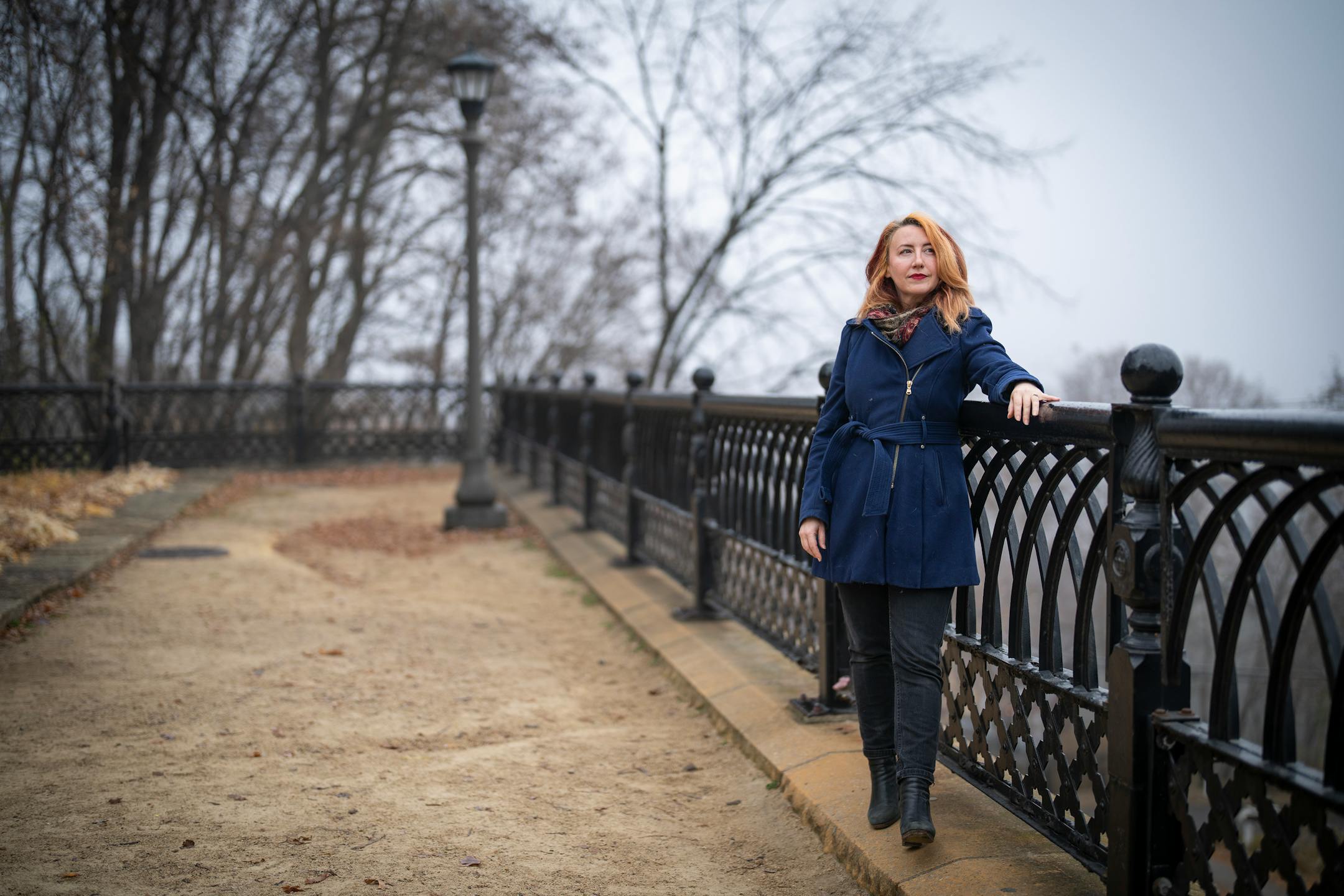
The same man who had been stalking Mary Lucia began stalking Jade Tittle in 2021. (Leila Navidi/The Minnesota Star Tribune)

Calling police to her home and documenting her case became a part-time job for Tittle. (She says one St. Paul police officer referred to her stalker’s sending flowers as “kind of sweet” and, noting she was on the radio, asked, “Don’t you want people to love you?”)

While MPR “didn’t really have a plan” to protect her, Tittle said, her employers did give her more assistance than they had Lucia, including legal counsel and home security. Tittle says Lucia’s experience with the stalker was much worse than hers because Lucia was battling a void: She initially had no idea who the stalker was, and he had no prior stalking convictions.

Tittle says she only shared minimal logistical updates about the stalker with Lucia because she was reluctant to upset them both by rehashing the stalker’s gruesomeness. “Then he wins,” Tittle said. “What does he want? My attention and focus and I don’t want to give that to him. He doesn’t deserve it.”

‘Everybody is a celebrity’

In October, the stalker was civilly committed due to mental illness, for the second time in two years. Because he was ruled not guilty of his crimes by reason of mental illness, Tittle’s no contact order is now void, reducing the safeguards she has against him.

Lucia and Tittle are no longer at the Current, in part, due to the stalker. Lucia is a program adviser at the U of M’s Radio K. Tittle just started a new job deejaying at KQRS. Both say that as difficult as it has been to protect themselves, they’re more concerned about stalking victims with fewer resources and less notoriety.

Tittle says she got into radio to make people feel less alone. She’s happy to be a proxy friend or fantasy girlfriend, even, to help listeners get through their days — as long as they leave her personal life alone.

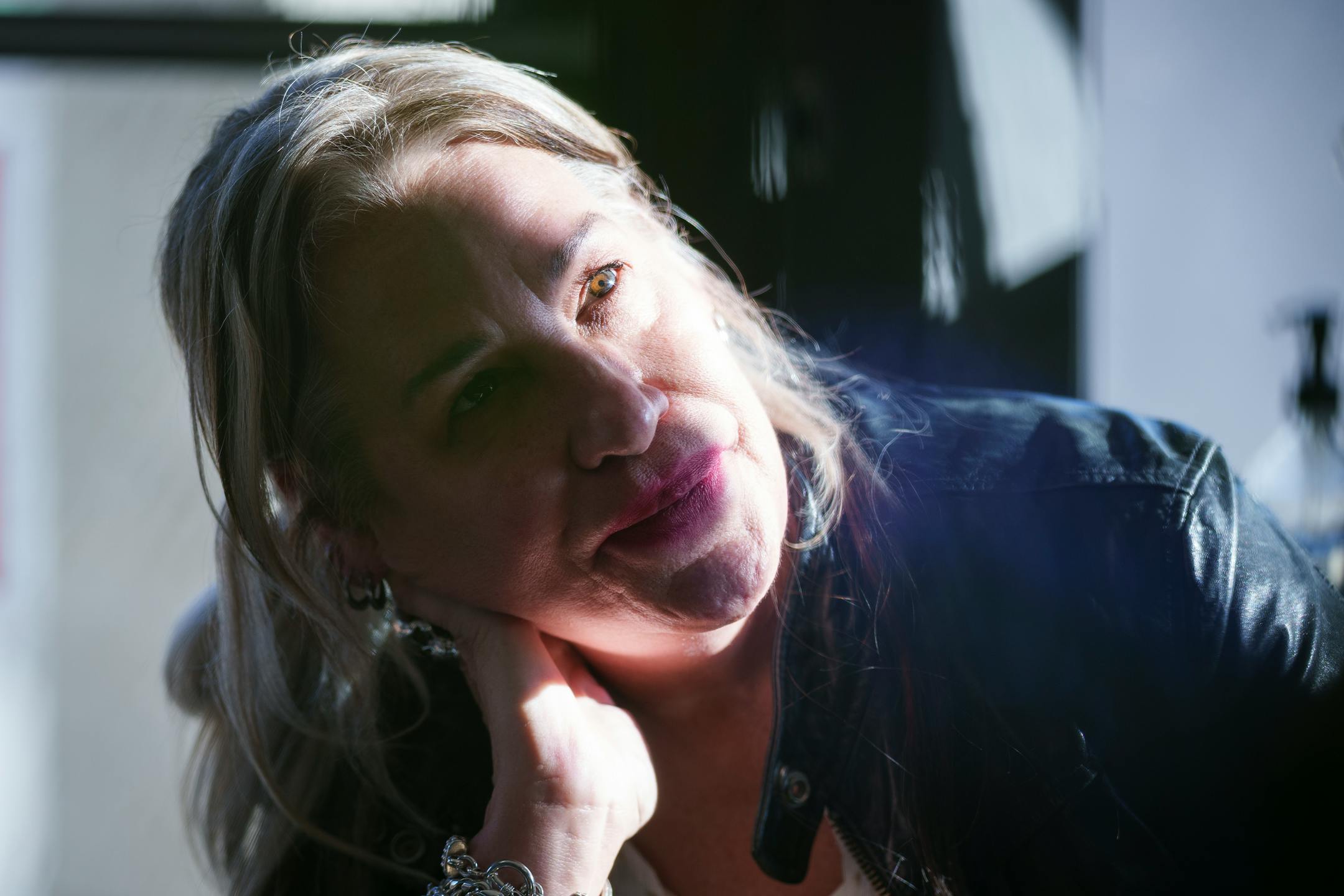
Tittle says she thinks the ease of interacting on social media has given audiences the sense that public figures owe them more access. (Leila Navidi/The Minnesota Star Tribune)

She notes how social media has cultivated a hyper-responsive, you-owe-me fandom that corrodes the social contract around boundaries. And the rise of digital microcelebrities — on Instagram and YouTube, TikTok and Twitch — means more people will face the question she wrestles with: How to be vulnerable and honest and connect with your audience, while also being safe?

“That’s the thing now: Everybody is a celebrity,” she said. “And everyone needs to be aware of these possibilities, that somebody could show up to your house.”

about the writer

about the writer

Rachel Hutton

Reporter

Rachel Hutton writes lifestyle and human-interest stories for the Minnesota Star Tribune.

See Moreicon

More from TV and Media

See More
card image
Netflix

You’ll appreciate the final episodes even more after revisiting these ’80s touchstones.

card image
card image