

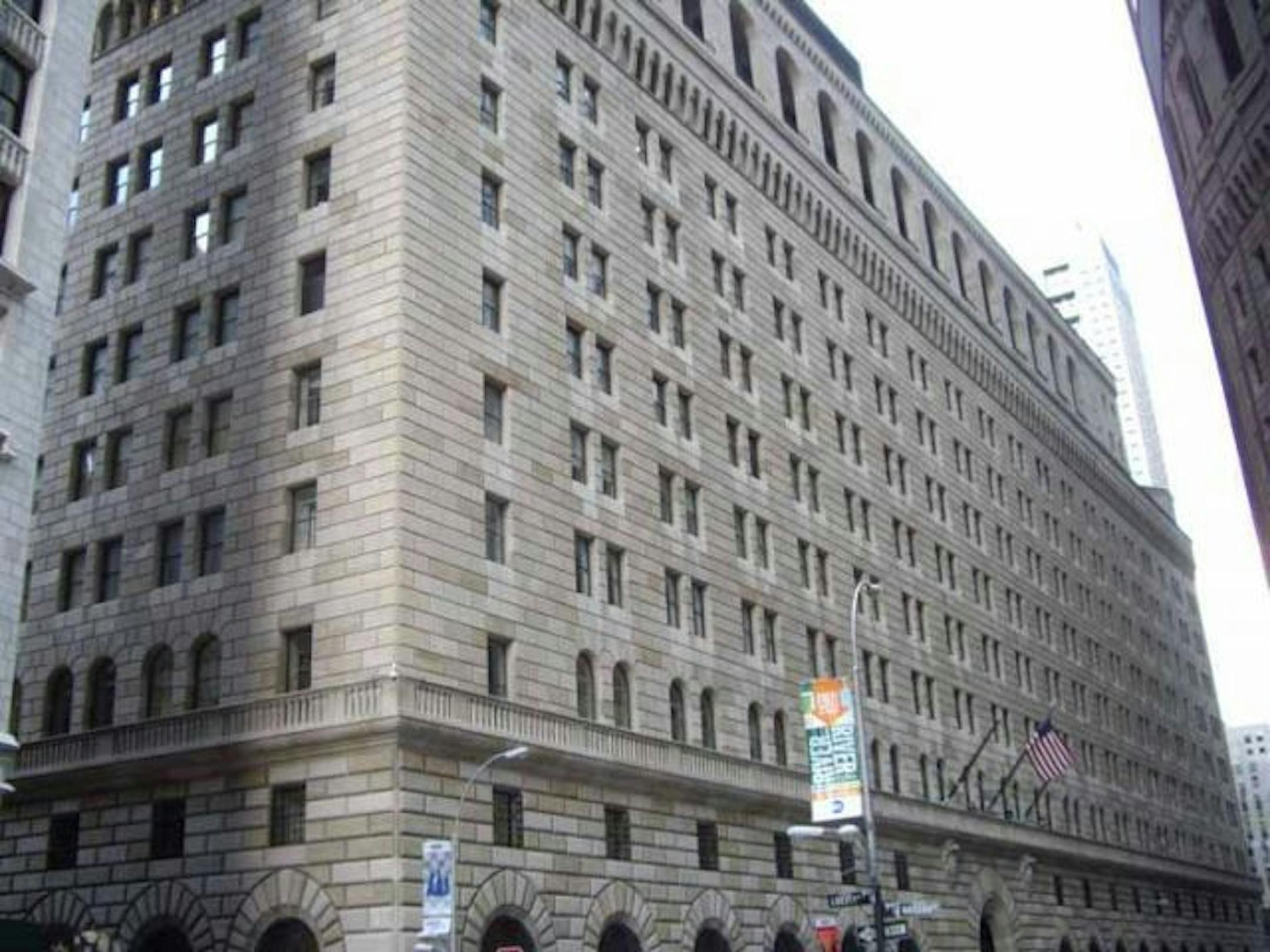
The Federal Reserve Bank of New York reported yesterday that Americans have reduced their debt by almost $1 trillion in the past 21 months.
Depending on your perspective, this household "deleveraging" is:
•Good, because a thrifty person is always more virtuous than a spendthrift.
•Bad, because two-thirds of the United States economy depends on consumer spending.
•Bogus, because most of the decline has come from the sharp rise in foreclosures and bankruptcy filings. In other words, we are a nation of deadbeats, not savers.
A study released Monday by economists at the New York Fed puts the third argument to rest, at least for now. Even after accounting for foreclosures and bankruptcy filings, Americans, the paper's authors say, are reducing their debts "at a pace not seen over the last 10 years."
During the boom years of 2000 to 2007, when the growth in consumer spending oustripped personal income, Americans gave little thought to the consequences of turning to credit cards and home equity loans to finance that consumption. Financial institutions may have encouraged and enabled this behavior, but "we are social animals and spending is such a reflection of our values," said Kit Yarrow, a San Francisco-based consumer psychologist.
"Even five years ago there was something vaguely shameful about being cheap," Yarrow said. "You were made to feel like a fool if you weren't taking advantage of low interest rates" or the equity in your home.



