

Over the past decade, U.S. military expeditions have increasingly used development aid to undermine popular support for insurgents and extremist groups, and pacify turbulent areas. But does this tool work in conflict zones like Afghanistan?
My new research published in the American Political Science Review provides evidence that aid spending by the U.S. military in Afghanistan in many cases produced violent backlash from insurgents against troops and civilians.
Aid distributed in districts under the control of coalition forces reduced violence. But aid distributed in contested districts of Afghanistan actually increased the level of violence carried out by insurgents against both civilians and the U.S. military.
To test how aid projects affect insurgent violence, I examined 5,936 projects in Afghanistan during 2008-2010 under the Commander's Emergency Response Program (CERP), which provided development aid funds to U.S. military commanders to use in their local area of operations. I also looked at more than 46,000 security incidents reported by an independent nongovernmental organization network and 30,000 incidents reported by the U.S. military.
From 2012 to 2013, I spent seven months in Afghanistan, carrying out dozens of interviews about the patterns of violence in the country.
In past conflicts, notably during the Vietnam War, the U.S. military carried out nonmilitary activities aimed at winning the support of an occupied population, such as training self-defense groups or offering medical care. In the early 2000s, this tactic was extended to development aid projects.
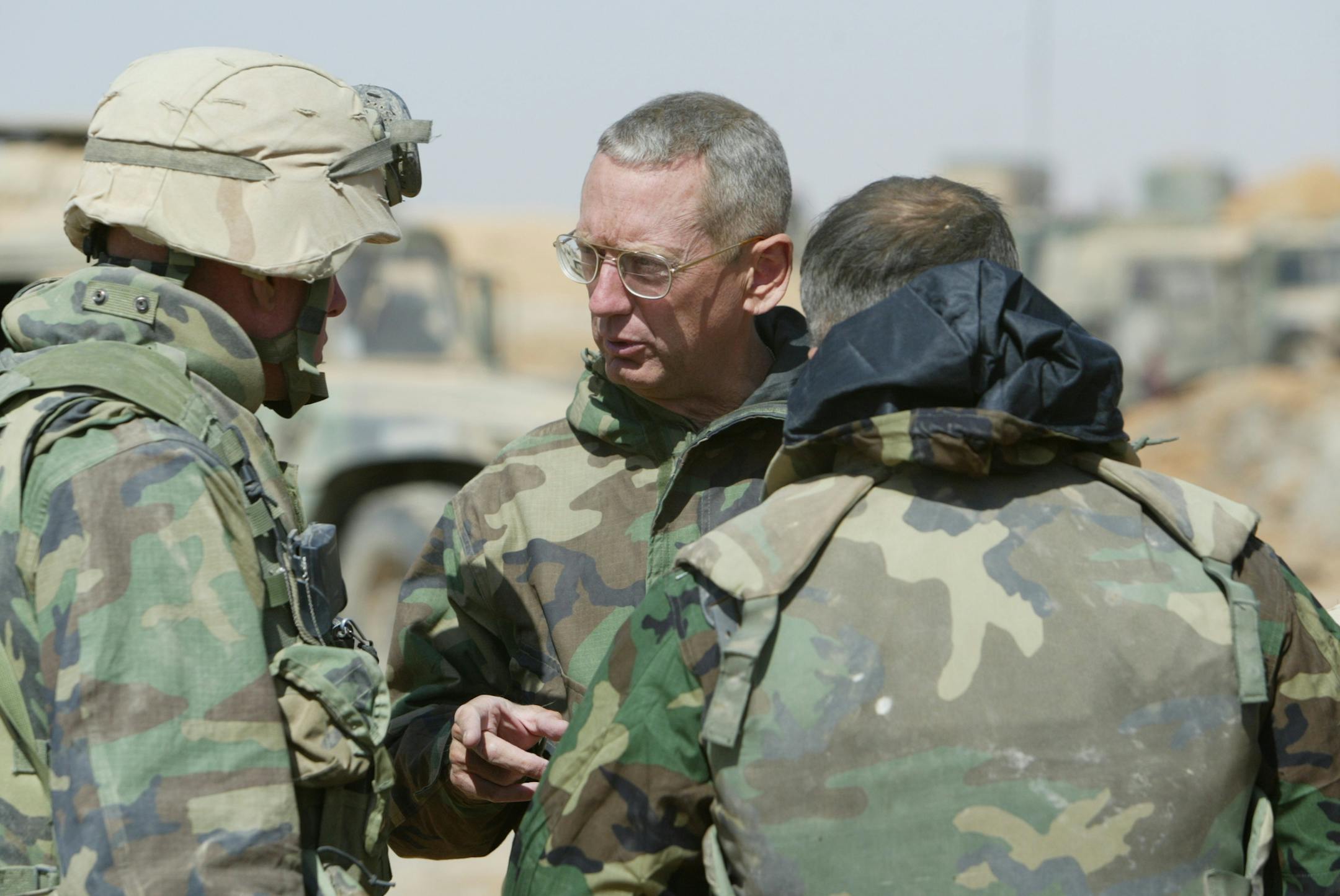
A decade before Gen. James Mattis became Donald Trump's pick for defense secretary, he huddled with Gen. David Petraeus at the U.S. Army Combined Arms Center at Fort Leavenworth, Kan., to hammer out a new counterinsurgency (COIN) doctrine for the U.S. military.
By 2006, U.S. interventions had produced nominal victories against the Taliban in Afghanistan and against Saddam Hussein's regime in Iraq. But the strongest military on the planet found itself mired in extended nation-building projects — amid rising levels of armed insurgency.


