

For months, Minnesota's medical technology community has fretted over the Obama administration's new leadership team at the Food and Drug Administration, and whether the changes will result in a wholesale shift in the way medical devices are regulated by the federal agency.
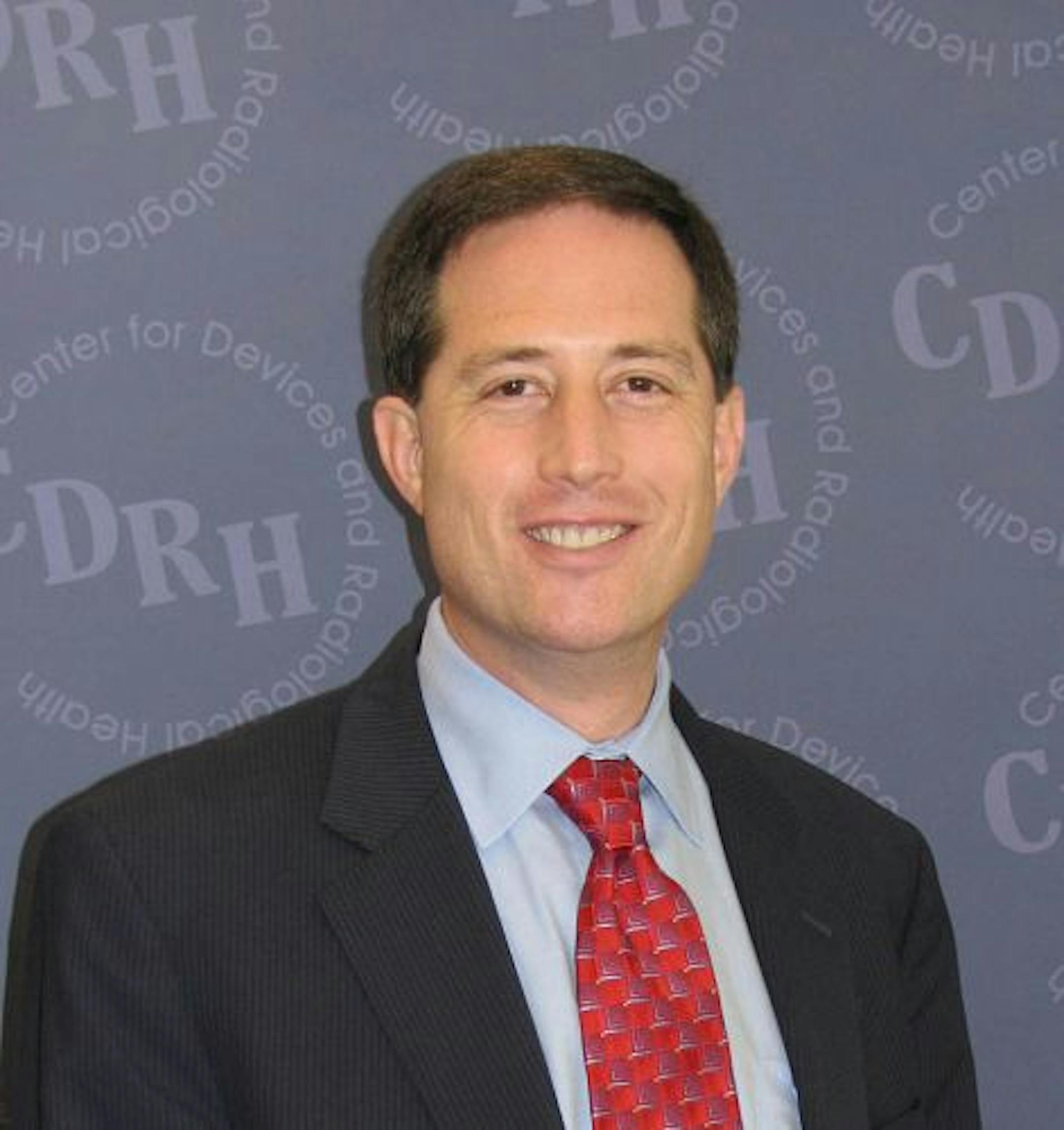
Much curiosity has centered on the new head of the Center for Devices and Radiological Health, Dr. Jeffrey Shuren, whose office holds sway over products from the more than 200 medical device firms in the state.
In an interview Friday with the Star Tribune, Shuren provided few definite answers about the agency's plans. But he said issues such as a controversial approval pathway that generally doesn't require studies on patients are under review, and he also touched on hot-button topics such as the industry's influence on the FDA.
A neurologist who also holds a law degree, Shuren will visit the Twin Cities next week for an FDA town meeting on Tuesday at the Hilton Minneapolis-St. Paul in Bloomington. He said the meeting will touch on "all issues, concerns, topics [that] are on the public's mind" regarding the FDA.
He'll also give an update on his own initiatives at the agency. Two additional public meetings -- in Boston and in Los Angeles -- are scheduled for later this year.
Shuren said the Institute of Medicine, an independent entity that provides advice to policymakers, is looking at the "510(k)" approval process, under which companies need only prove their products are "substantially equivalent" to ones already on the market to gain approval. Often this does not involve expensive clinical studies on patients to prove a device is safe and effective, but that may be changing.
Shuren said a final report from the institute is due in the summer of 2011. In the meantime, he said, the FDA is also performing its own assessment and will likely issue some guidelines in coming weeks.
"If there are particular [changes] that are no-brainers, and people uniformly say, 'This is worth doing,' we can start working on them now," he said. "Then, any of the recommendations that we don't adopt, if we think they require greater vetting, or if there's a lot of difference of opinion, we'd leave them out there for the Institute of Medicine process to consider."



