

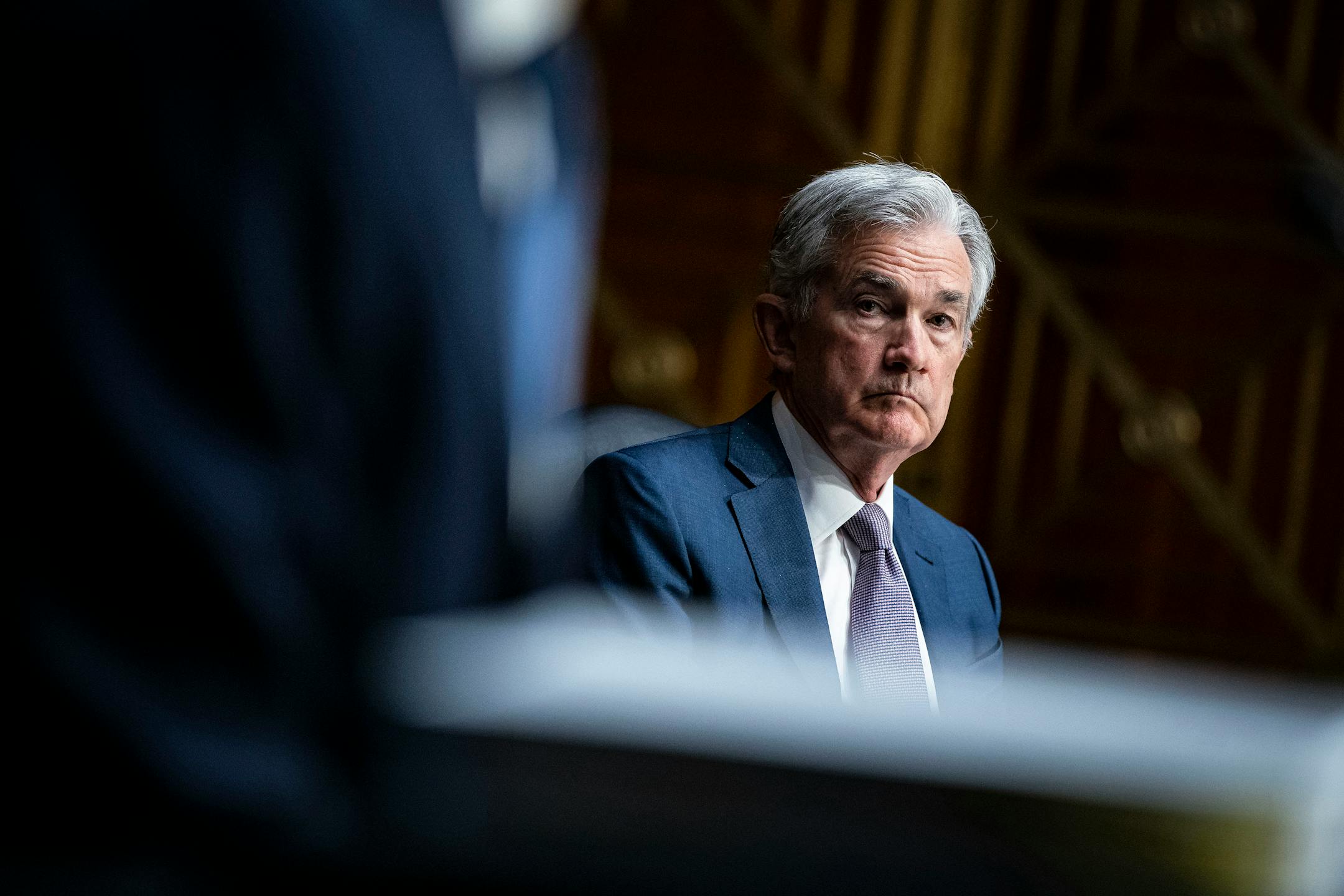
The U.S. Federal Reserve has come a long way since its chairman, Jerome Powell, dismissed inflation as "transitory" nearly three years ago. To their credit, Powell and the Fed governors eventually confronted that massive miscalculation and have spent the last 12 months aggressively raising interest rates in their battle against inflation.
It's fair to say the Fed is now winning the war. The latest Consumer Price Index (CPI) released Tuesday shows 6.4% inflation compared to a year ago. The cost of goods and labor remains stubbornly high, but peak inflation (9.1% as of June 2022) is most certainly behind us.
The warning we keep hearing, however, is that the economy will be an inevitable casualty of this fight. Killing inflation, after all, requires smothering demand and that's not a recipe for strong economic growth. Based on Powell's public comments, the Fed is likely to implement a couple more rates hikes, which would bring the fed funds rate north of 5%, something that hasn't happened since 2007.
Elevated inflation, the highest interest rates in 16 years, and a still-hawkish Fed is far from an ideal market environment. And yet the economy is still standing, and in relatively good shape, despite the repeated body blows.
Fourth-quarter GDP grew at an annualized rate of 2.9%. The January employment report revealed 517,000 new jobs created, nearly triple the amount expected. National unemployment has fallen to 3.4%.
At the start of 2023, most financial forecasts called for an economic recession in the second half of this year. Subduing inflation while avoiding a recession remains the optimistic alternative. Call it the Goldilocks scenario. Or the Fed threading the needle. Whatever Wall Street cliché you prefer, it seemed like a long shot.
The stock market has since staged a rally. The S&P 500 gained 6.2% in January (despite another Fed hike). Only once in the last 33 years has the S&P gotten off to a stronger start. U.S. equities are on pace for another positive month in February. While a potential recession remains on the table, a growing number of investors appear willing to peer through the gathering clouds.
For the market technicians, the S&P 500 recently broke through multiple levels of key resistance. In late January, the benchmark closed more than 1% above its 200-day moving average for the first time in nine months. Stocks have also climbed above an established downtrend dating back to the January 2022 all-time highs.


