

Regulation isn't a dirty word to makers of organic food.
So they're pushing back against the Trump administration, which has killed off a slate of proposed regulatory changes for raising and manufacturing organic products after coming to power promising to remove "job-killing regulations." In recent months, shelved proposals have included those covering animal welfare, the manufacture of pet food and beekeeping.
Stringent regulations are crucial to maintaining consumer confidence in the organic label that the U.S. Department of Agriculture oversees, according to many producers. They also help manufacturers command premium prices. Even some traditional food giants, including Perdue Farms and General Mills, have made the case for certain new regulations.
The egg business — already rife with consumer confusion over marketing claims such as "pasture-raised" and "cage-free" — may feel a particular impact from the administration's actions.
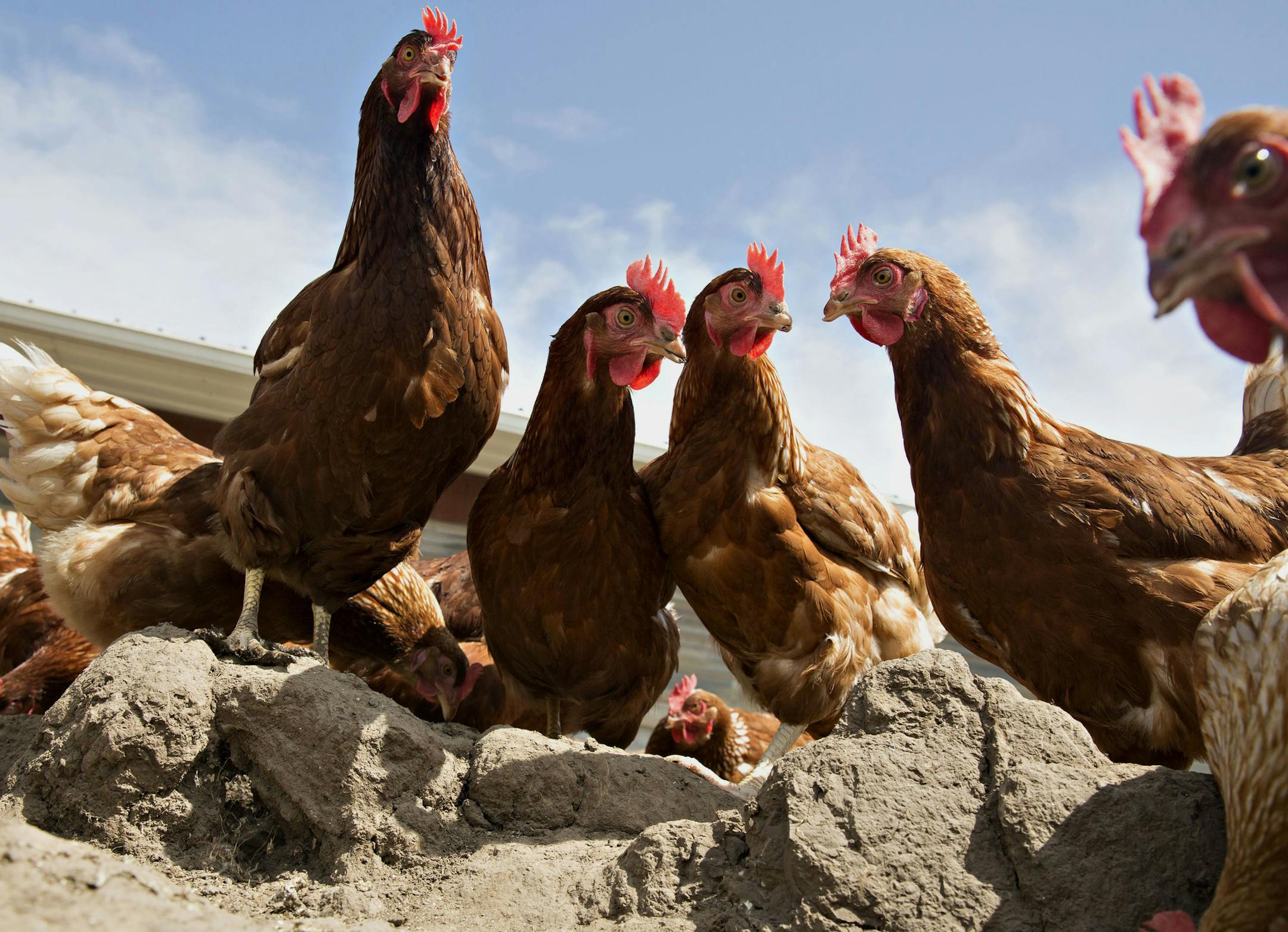
Organic regulations are fuzzy on what constitutes outdoor access for hens, and they're applied inconsistently, the Organic Trade Association says. Cal-Maine Foods and Herbruck's Poultry Ranch, among other big producers, have complied with outdoor-access requirements by providing screened "porches" on large-scale hen houses, company statements and filings show. The animal-welfare rule that the USDA abandoned in March would have tightened the outdoor standards and required hens to have access to the outdoors, including soil.
The nixed rule could pave the way for more large-scale organic hen houses that could force small farmers out of business, said Jesse Laflamme, chief executive of Pete and Gerry's Organics, an egg producer in Monroe, N.H.
Laflamme accused the Trump administration of "waging war" on his industry. "For whatever reason, they think it's in their constituents' interest to diminish the organic program as much as possible," he said.
Deregulation doesn't make sense for an industry that wants it, said Laura Batcha, executive director of the Organic Trade Association. She warns of "collateral damage" to an industry that has experienced robust growth.


