

In my 30 years of writing about religious freedom, I can't recall a case as outrageous as the one decided last week by the U.S. Supreme Court. A Muslim inmate on death row had asked to spend his last moments in the comforting presence of an imam. The Alabama prison offered only a Christian chaplain, and the justices, by a vote of 5 to 4, refused to order the state to do any more.
In its two-paragraph order, the majority quoted an earlier decision encouraging courts to take into account "the last-minute nature of an application" in deciding whether to put an execution on hold. Well, yes. The court should indeed consider whether a death-row inmate's petition might be no more than a frivolous effort to postpone the inevitable.
This isn't that. There can be, and is, a lot of debate about the right standards for judging a claim of religious freedom. But this should have been an easy decision.
Domineque Ray committed a horrible crime, raping and murdering a 15-year-old girl. If the death penalty is ever appropriate, this would seem to be a clear case. But the question before the court wasn't whether Ray should be put to death. It was whether he should be denied the same right that a Christian inmate would have to be accompanied in the death chamber by a cleric of his own faith.
In recent decades, the justices have turned out to be most receptive to First Amendment claims that can be framed as examples of discrimination. Consider, for example, the court's 1993 decision in Church of the Lukumi Babalu Aye vs. City of Hialeah. The suit was brought by a Santeria congregation whose practices included animal sacrifice. In response to the concerns of residents, local officials outlawed the killing of animals within the city limits. The trouble was that the ordinance included so many exceptions that it wound up prohibiting little besides the practices of the plaintiff.
The Supreme Court had no trouble striking down the law, saying it violated "the principle that the First Amendment forbids an official purpose to disapprove of a particular religion or of religion in general." The ordinance, the justices concluded, violated the constitutional rule "that laws burdening religious practice must be of general applicability."
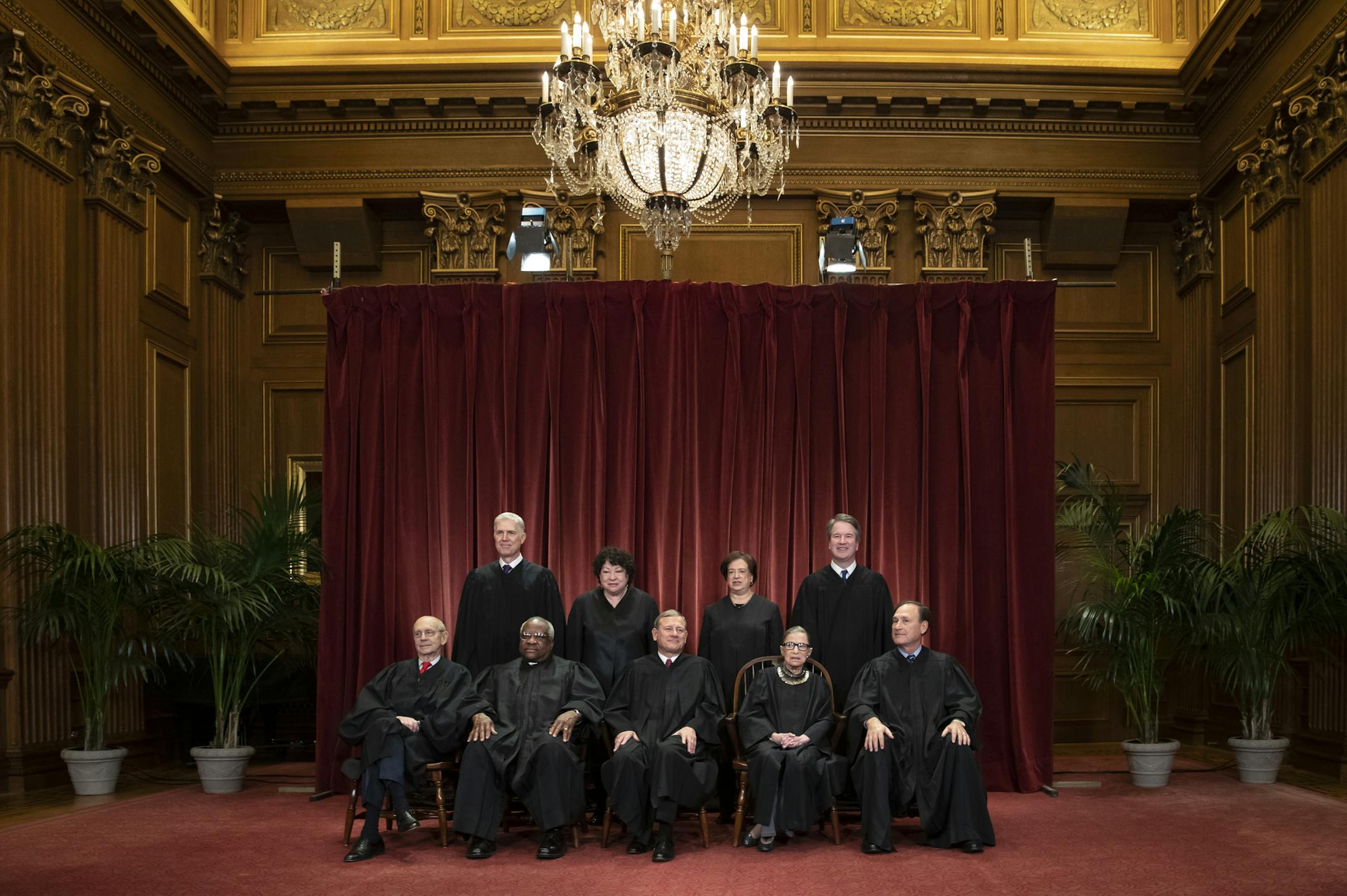
This is the problem with Alabama's death chamber practices: a lack of general applicability. As Justice Elena Kagan notes in her dissent, joined by justices Ruth Bader Ginsburg, Stephen Breyer and Sonia Sotomayor, the discrimination in the state's policies is obvious: "A Christian prisoner may have a minister of his own faith accompany him into the execution chamber to say his last rites. But if an inmate practices a different religion — whether Islam, Judaism, or any other — he may not die with a minister of his own faith by his side."
This favoring of one religion over another is permissible only in the very narrowest of circumstances, writes Kagan. Here, the state argued that the presence of a cleric other than the Christian chaplain, a prison employee who understood the execution process, would pose a security risk. That's not a strong enough claim to get around the patent discrimination.


