
Opinion | A blue wave in next year’s midterms is far from guaranteed

Off-year elections are a measuring stick, not a crystal ball.

November 17, 2025 at 11:00AM
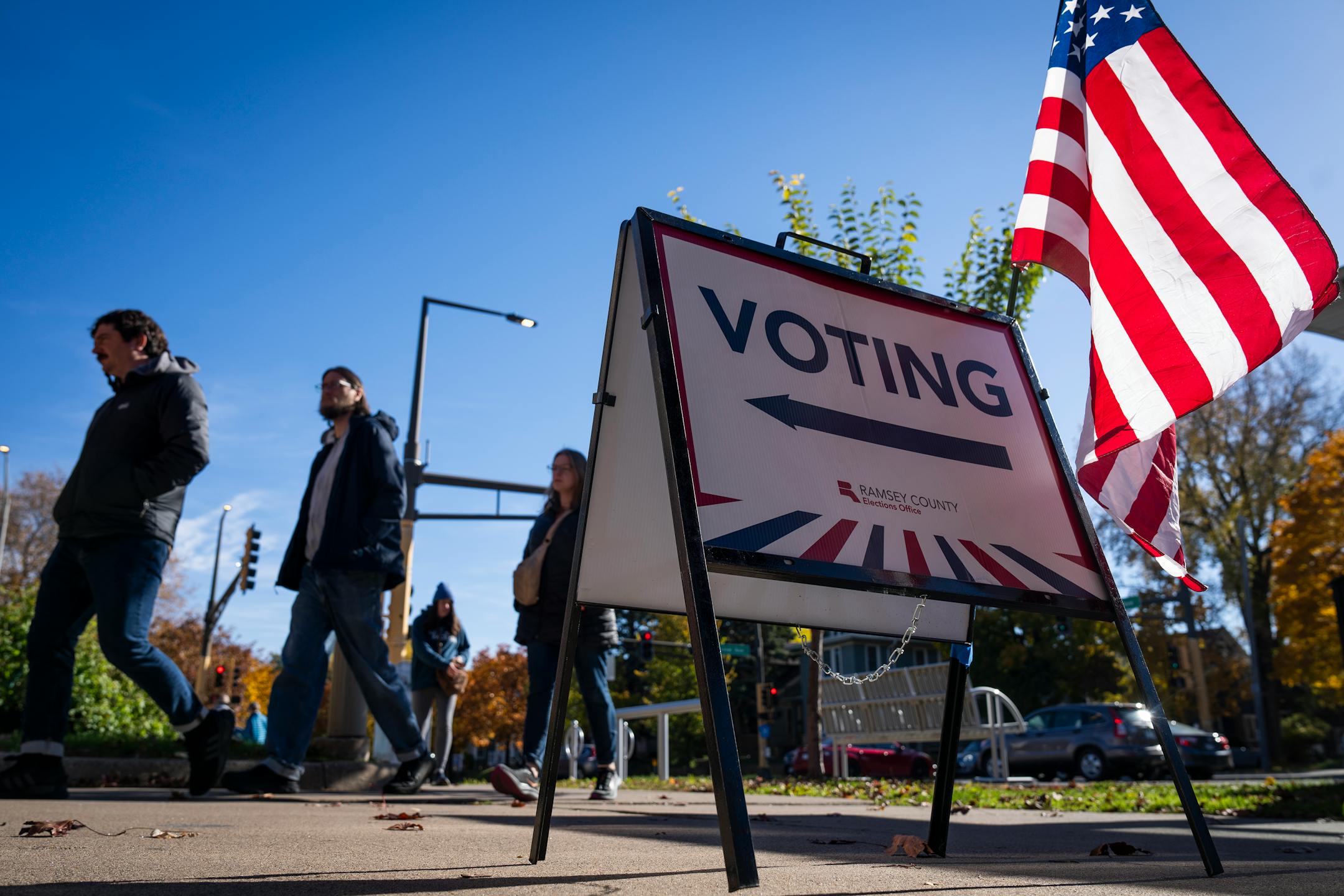
People walk into the library on Election Day at Merriam Park Library in St. Paul. (Leila Navidi/The Minnesota Star Tribune)

Opinion editor’s note: Strib Voices publishes a mix of guest commentaries online and in print each day. To contribute, click here.

•••

In the aftermath of an off-year election, pundits and pollsters suddenly become Miss Cleo as they look at data, statistics and exit polls. They look into the future and predict what will happen in a year when voters across the country head out to the polls for the midterm elections.

It’s no different in 2025. If you listen to Democrats right now, they are singing songs of a blue wave and of a referendum on the Trump administration. As history tells us, voters do not pay attention to exit polls, but rather to their perception, which usually kicks in during the last month before an election. If conditions remain as they are, a blue wave is a possibility, but no more guaranteed than the red wave wrongly predicted in 2022, following Republican Glenn Youngkin’s decisive victory in the Virginia governor’s race the year before.

What election results in 2025 — from statewide races in other states to the mayoral elections in the Twin Cities — can provide, however, is an opportunity for introspection into where voters stand based on this single snapshot in time and whether campaigns will consider changes in their strategy as a result.

The big wins on election night for Democrats came in New Jersey and Virginia in their off-year gubernatorial elections. While Democrats are understandably bullish on the future, their predictions of a 2026 blue wave are overplayed as they fail to take into account several mitigating issues that may not factor into the larger electorate’s vote this time next year.

New Jersey, a state that hasn’t elected a Republican since Chris Christie in 2009, was not going to magically flip overnight. While Republican Jack Cittarelli managed to gain more votes compared to four years ago, Democrat Mikie Sherrill managed to increase turnout among young and suburban women, two demographics that have slipped away from Republicans in the past decade.

And if Virginia taught us anything, it’s that message discipline matters. Republican Winsome Earle-Sears’ campaign largely focused on strong social conservative issues like biological boys in girls sports. Exit polls conducted by CNN found that the economy was the top issue for 48% of polled voters in that state, followed by health care (21%) and education (11%).
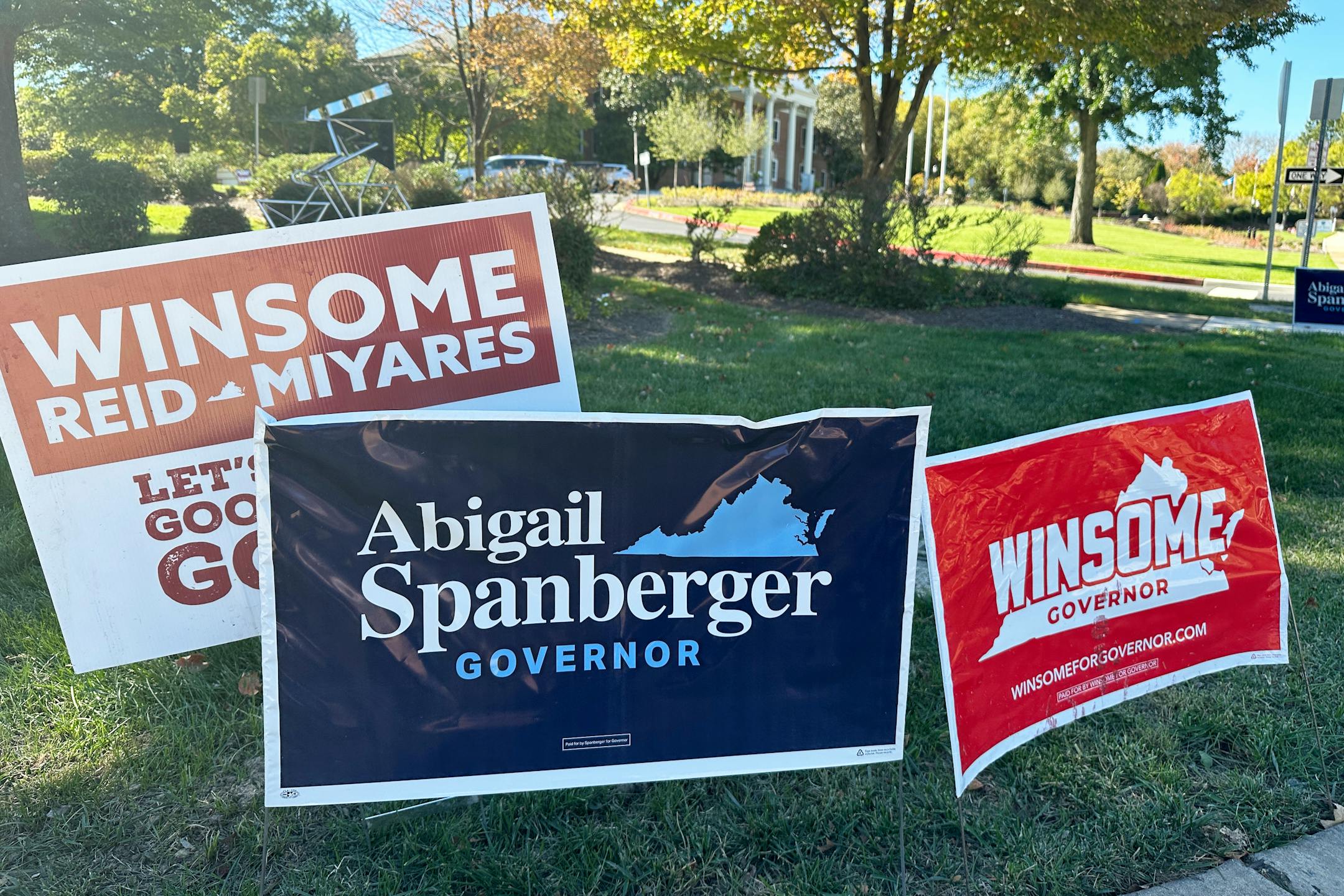
Campaign signs for Virginia gubernatorial nominees Democrat Abigail Spanberger and Republican Winsome Earle-Sears are on display outside City Hall in Fairfax, Va., on Oct. 17. (Robert Yoon/The Associated Press)

In a post-mortem of the 2025 election, President Donald Trump’s political director turned Deputy Chief of Staff James Blair acknowledged that candidates like Earle-Sears and Cittarelli did not perform well because they did not focus on the economy or affordability. The effects of the government shutdown and DOGE layoffs also played a role in Virginia’s elections, as CNN exit polls found that 60% of voters said that federal cuts affected their finances this year — a demographic Abigail Spanberger won by 70%.

Outliers were prevalent in the mayoral races in New York and Minneapolis as well. Zohran Mamdani and Jacob Frey won their races not because they were stellar candidates, but because they were the “best” choice in the pack. Mamdani’s policies were wildly out of step with what New Yorkers wanted, but he still earned their support.

Exit polls found that 69% of voters do not consider themselves democratic socialists, but 37% of that demographic still voted for Mamdani. Why? Another exit poll from CNN makes it clear: While 65% of Mamdani supporters voted because he was their candidate, only 27% of New Yorkers could make the same claim about Andrew Cuomo. In fact, 74% of Cuomo’s vote came from voters who were voting to oppose Mamdani.

It’s safe to assume the same sentiments led to a third term for Frey. It’s not that voters are happy with the direction of Minneapolis — how can they be, as the perception of rising crime permeates the city and rising property taxes and other city-led policies make it a less economically friendly environment for both families and businesses? Yet, like Cuomo and Eric Adams, whose baggage saw them shunned from political office, state Rep. Omar Fateh’s myriad issues and potential conflicts were a weight that would not allow him to rise with a more moderate Frey on the ballot.

St. Paul’s mayoral race might have proved to be the most normal election of the night. Following St. Paul’s adoption of some of the highest taxes in the state, rising property taxes, the failure of rent control and more, Melvin Carter was a candidate in trouble from the get-go. State Rep. Kaohly Her’s late entrance into the race was welcomed as well as her authentic, positive message on fixing the issues without attacking her former boss.

While the off-year election isn’t the crystal ball pundits want it to be, it can be seen as a measuring stick of the midterms to come. Blair said it best: Affordability is on the ballot in 2026. When looking at the victories of Spanberger, Mamdani, Frey, Her and others, they focused on affordability — not taxes, immigration or partisan views on social issues. In fact, moderate Democrats’ focus on the economy is not just in line with what voters are most concerned about, but is reminiscent of the GOP’s main message 10 years ago — a message voters want us to so desperately reclaim.

To the advantage of down-ballot Republicans, exit polls suggest that a majority of voters aren’t casting their ballot with Trump on the brain. In the same vein, voters are looking for candidates who will enact change, something Democrats could tap into since Republicans control the White House, Senate and House.

Both parties face a hurdle for the upcoming midterms — supporting moderates amid a base that pushes extremes. Moderates won the day, but the base holds power. Minority Leader Hakeem Jeffries was bullied into endorsing Mamdani just as Republicans have endorsed candidates who are out of step with their voter base.

It’s time to take stock and listen up, because the outcome of 2026 may very well come down to the candidate who’s willing to meet voters where they’re at.

Preya Samsundar is a GOP communications consultant with K2 & Company. She has worked for Nikki Haley’s presidential super PAC, the Republican National Committee, President Donald Trump and other Republican candidates around the country. She lives in Burnsville.

about the writer

about the writer

Preya Samsundar

More from Commentaries

See More
card image
Anthony Souffle/The Minnesota Star Tribune

TIF has metastasized into one of the most abused public financing mechanisms in the state. The whole concept should be revisited.

card image
card image