

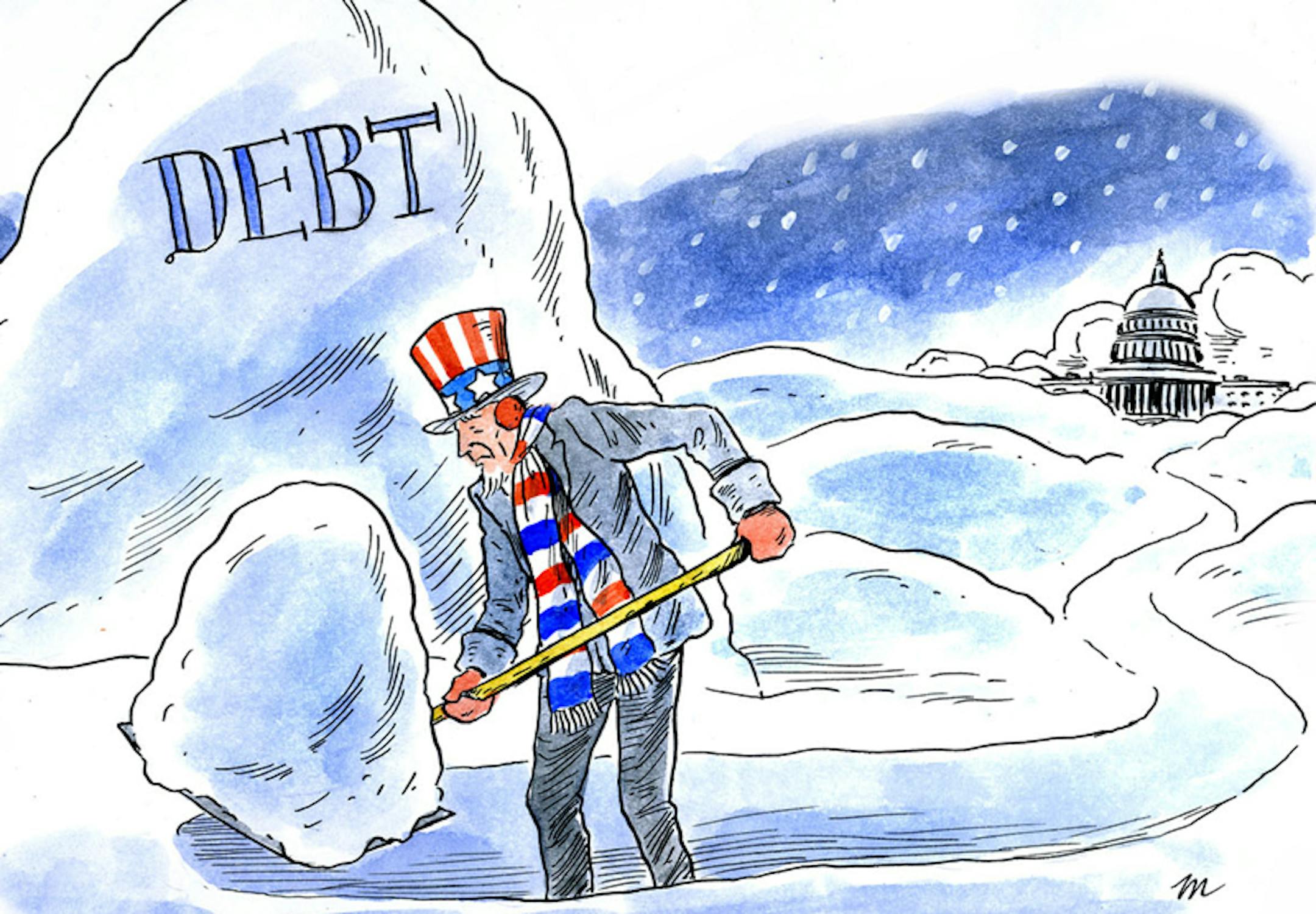
The bar we all have for Congress may be low, but Minnesotans can be glad that this time at least our leaders in Washington cleared it -- though just barely.
The deal Congress and the president agreed to earlier this month prevented us from tumbling off the "fiscal cliff," managed to avert middle-class income tax hikes -- though every working American has probably already noted that Social Security taxes have risen to their normal level -- and delayed the nearly across-the-board spending cuts that would have been detrimental to working families and small businesses across Minnesota and around the nation.
However, the agreement leaves a lot to be desired.
As backers of the national, bipartisan Campaign to Fix the Debt -- whose Minnesota chapter will be launched today -- the three of us are determined to remain engaged on this issue, until it is resolved.
The first problem with this month's agreement is that it didn't even fix our short-term problems. The military and domestic spending cuts, or "sequestration" in Washington parlance, were merely delayed, not canceled, meaning we'll probably watch our elected leaders go through a last-minute dance again to figure out how to avoid blunt cuts to popular programs.
More damning, however, is that the deal did absolutely nothing to alter the unsustainable long-term trajectory of our national debt.
The cliff's sequestration policies, still looming in a matter weeks, would be quite damaging for Minnesotans if they ever see the light of day. According to a recent Pew study, the federal grants subject to the ax represent 5 percent of annual state revenue, money Minnesota has already allocated for spending, including on things like nutrition programs for low-income women and children, education programs, public housing and many other programs that protect the most vulnerable among us. Moreover, the Congressional Budget Office has said that Minnesota could lose up to 16,000 jobs if the cuts occur.
This is not at all to say we shouldn't talk about spending cuts. On the contrary, any deal to dig us out of the hole we're in can't rely on increased revenue alone. It must also include substantial savings from spending programs -- including entitlements, which have long been considered sacrosanct. However, we need to cut with a scalpel rather than an ax, and we must address the true drivers of our perpetual deficits, rather than small programs that are relied upon by the nation's neediest.


