

Opinion editor’s note: Strib Voices publishes a mix of national and local commentaries online and in print each day. To contribute, click here.
•••
Donald Trump and Kamala Harris have both shown themselves skilled at avoiding questions they don’t want to answer. The former president does it by burying questioners under a barrage of unrelated assertions, many of them false. The vice president does it the old-fashioned way, by taking refuge in vague talking points.
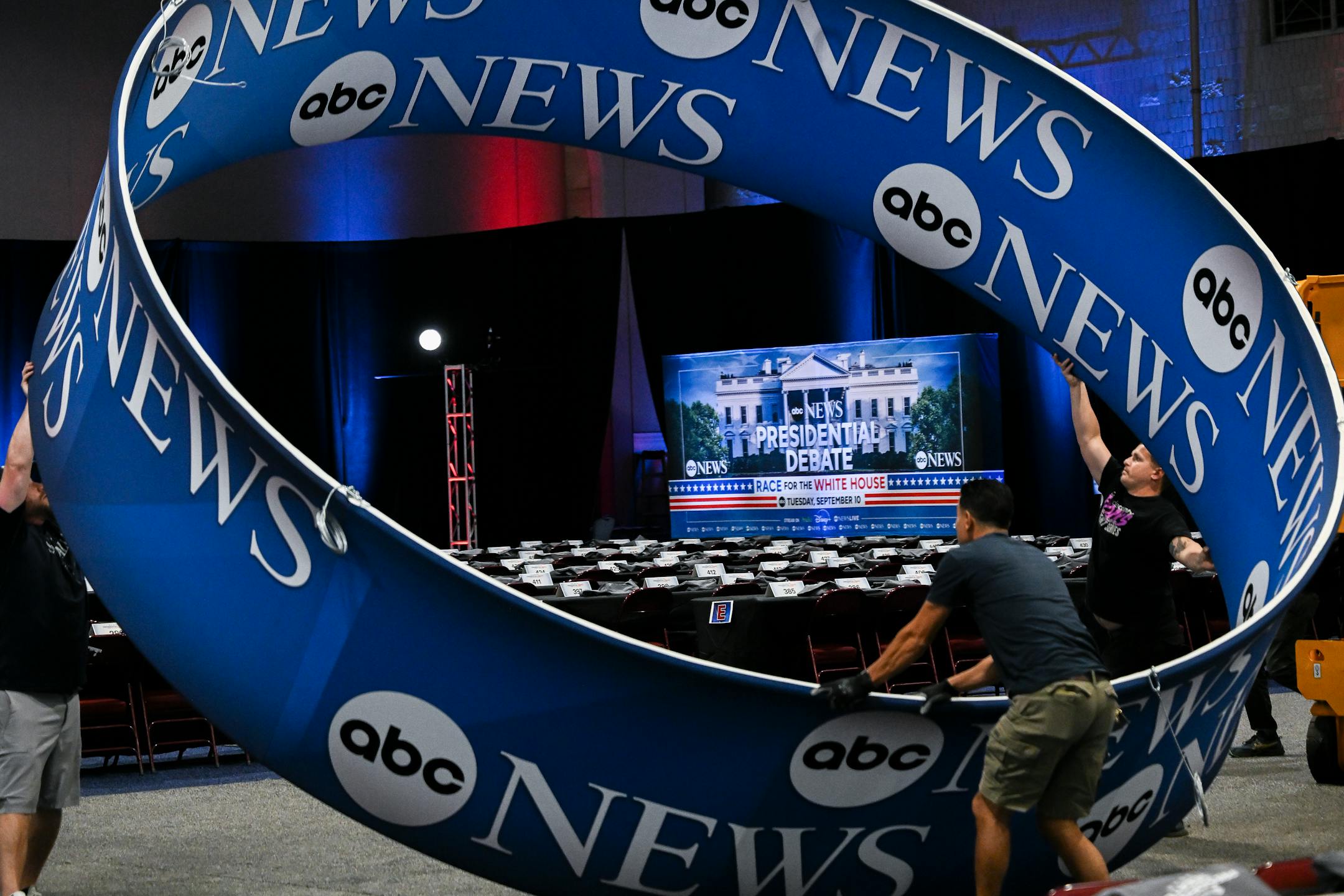
If they succeed at dodging and weaving their way through Tuesday’s debate (airing at 8 p.m. Central Time), it will be a real loss for voters — especially the undecided voters in swing states who will decide the election.
The 90-minute session is probably the only time Americans will see the two nominees on one stage. On the surface, it will be an argument about competing policies — but underneath, an equally important test of the candidates’ temperaments and ability to think on their feet.
But getting candidates to answer questions directly in the allotted time is harder than it looks. I’ve been there: I was a panelist at primary debates between Barack Obama and Hillary Clinton in 2008, and between George W. Bush and John S. McCain in 2000. I learned the hard way that broad, open-ended questions allow politicians to respond with campaign slogans or switch the subject entirely.
Yes-or-no questions, questions that demand specifics, and questions that confront candidates with their inconsistencies stand the best chance of getting useful responses.
Here are some questions Tuesday’s moderators, David Muir and Linsey Davis of ABC News, should have on their list:


