

Investment bankers in Minnesota and nationwide expect merger-and-acquisition activity to accelerate in the second half of this year, despite slower dealmaking during the first two quarters of 2013.
"We still have all the fundamentals in place," said John Potter, a national transactions partner in the Minneapolis office of PricewaterhouseCoopers, the tax and consulting firm. "Growth is the No. 1 objective of CEOs in our annual survey. Their focus is on acquisitions. They're being selective. They want to create long-term value with a strategic fit.''
In a slow-growth economy, large companies are willing to buy growth through acquisitions. They can borrow or use their rising stock prices as acquisition currency to acquire companies that extend existing product lines or broaden their offerings. And corporate balance sheets are flush, and credit is cheap.
"I would expect that 2013 will prove to be consistent or a slightly better year than 2012, even with that [gigantic] fourth quarter we had. We will have more deals in technology, health care, social media and big data. Pharmaceuticals will continue to pick up."
Last year's fourth quarter produced a rush of mergers and acquisitions that got done in anticipation of higher long-term capital gains rates that took effect this year as a result of an 11th-hour congressional deal in Washington.
Dealmakers say it takes months to refill the transaction pipeline after such a rush. Yet conditions and intentions are ripe for a strong second half. And the number of pending deals in the M&A pipeline picked up in the second quarter.
"I am optimistic,'' said Bruce Engler, head of the mergers practice at law firm Faegre Baker Daniels. "The foundation there is solid: credit markets with low interest rates, healthy corporate balance sheets, lots of private equity capital available and attractive valuation multiples for sellers.''
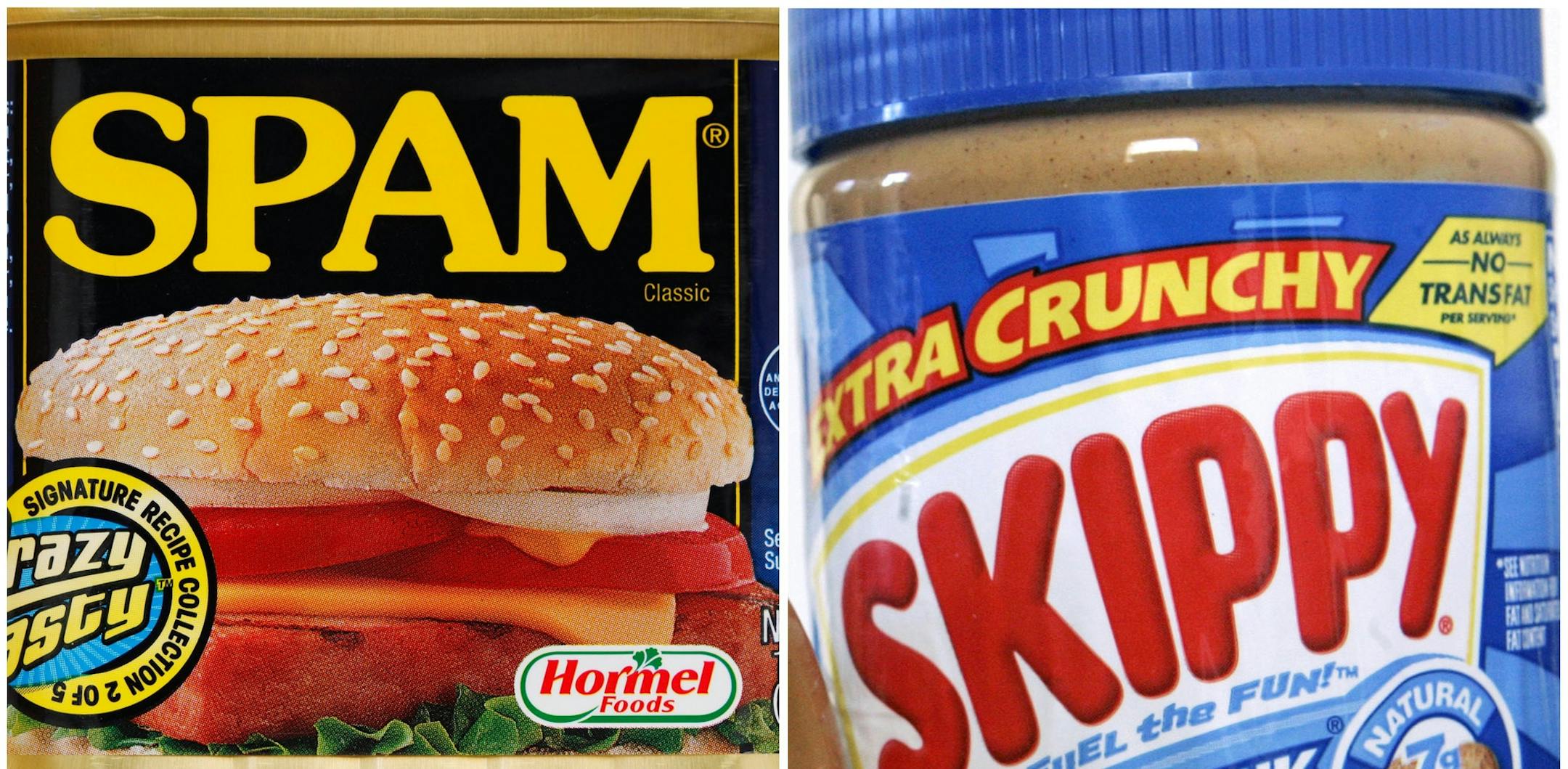
For example, in the Minnesota food industry alone, Hormel Foods Corp. acquired Skippy peanut butter in a $700 million transaction with Unilever, the consumer product conglomerate, in the first half of the year. Hormel, known for Spam and turkey products, plans to parlay this non-meat protein into a new product category and expand its international reach.



