
Deaf business owners overcome obstacles and prejudice

Connecting with their vendors, bankers, customers and the government remains a challenge.

November 23, 2015 at 1:36AM
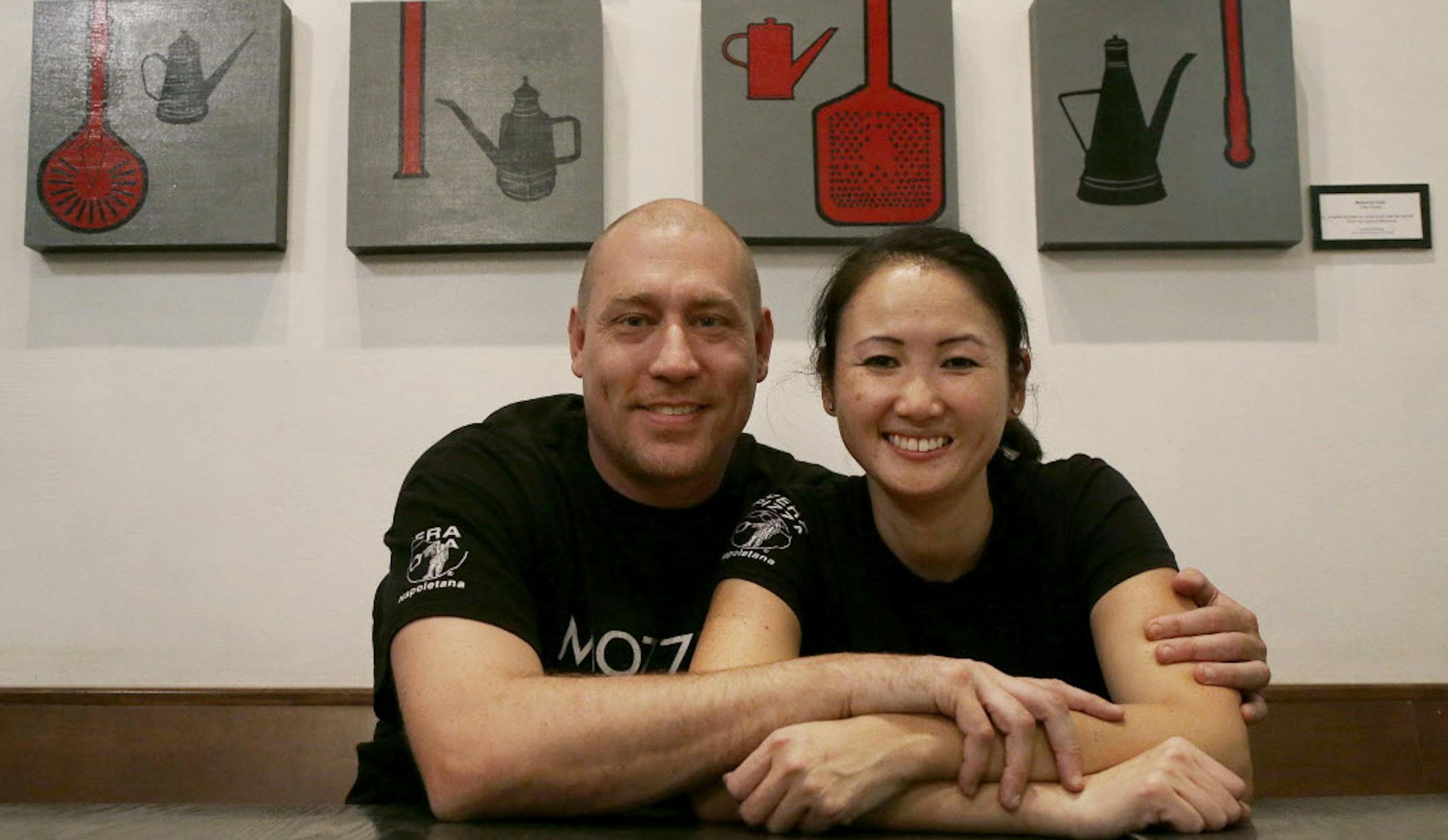
In this Nov. 5, 2015 photo, Mozzeria owners Russ and Melody Stein pose for a photo at their restaurant in San Francisco. The Steins and Mozzeria staff workers are deaf. The Steins have run their restaurant since 2011. (AP Photo/Jeff Chiu)
Mozzeria owners Russ and Melody Stein have run their restaurant since 2011. “We have the same skills as a hearing individual,” Russ said. (The Minnesota Star Tribune)

Soon after customers arrive at Mozzeria for the first time, they notice something's different about the restaurant: Virtually every staffer is deaf.

Owners Russ and Melody Stein also are deaf and have run their San Francisco restaurant since 2011. They've managed to have a thriving business by overcoming the obstacles deaf people often face when they become business owners, including stereotypes about what deaf people are capable of doing.

"We have the same skills as a ­hearing individual," Russ Stein said.

Like the Steins, many deaf business owners face challenges that those who can hear may not. They often encounter prejudice. Many don't have the resources they need.

For instance, few online videos and online seminars designed for small business owners are captioned or interpreted using American Sign Language.

It's frustrating to Melissa Greenlee, who runs deaffriendly.com, a Seattle-based website that helps deaf people find services and companies that accommodate their needs.

"While technology has been a wonderful advancement for our community in so many ways, it also has been my biggest barrier to advancement," she said.

Better resources are increasingly important because deaf people have the same ambition and ability to be business owners as those who hear, said Tom Baldridge, director of the business administration program at Gallaudet University in Washington, D.C.
Baldridge knows of no studies comparing how businesses owned by deaf people fare compared with those owned by hearing people. Many deaf business owners sell to deaf customers, which eliminates communication problems, he says.

But when the hearing world comes into contact with deaf business ­owners, the reactions are mixed.

The Steins have encountered discrimination from people who hear and don't want to make accommodations to help those who are deaf or hard of hearing. The couple has run into resistance when they ask for help at local government offices, including times when they were trying to get permits required for running a restaurant.

"We have had our rough moments," Russ Stein said. "There have been times when I had to ask for interpreters, and I was made fun of; I was looked down upon."

Vendors and other business owners who can hear are often startled or feel awkward when they first meet the couple.

"People ask, 'How do you drive?' " Russ Stein said.

But most vendors adapt to working with the Steins. For instance, Mozzeria's wine vendor has helped them learn more about the restaurant business. As for customers, some seem awkward when they first come in, but they soon relax and enjoy their meals. "They learn to overcome their fear," Melody Stein said.

The positive and negative experiences of the Steins are similar to those experienced by other deaf small business owners.

Mara Ladines, who owns By Mara, a clothing manufacturer and store in New York, wanted a career in fashion design, but some counselors in ­college tried to steer her toward being a graphic designer, a job that would require less communication with ­others.

Ladines instead took design courses and got jobs at retailers, including clothing store H&M. In 2008, she began designing T-shirts and other clothes with a logo that shows the American Sign Language sign for "I love you." She started the business online and it has grown to the point where she could open a store last spring.

Ladines wants to keep building her business, but she's frustrated by a lack of resources to help deaf ­business owners.

"It seems that most hearing individuals don't understand that a deaf individual can own a business," she says. "I feel I was born as a natural business owner."

Joyce Rosenberg is a business reporter for the Associated Press.


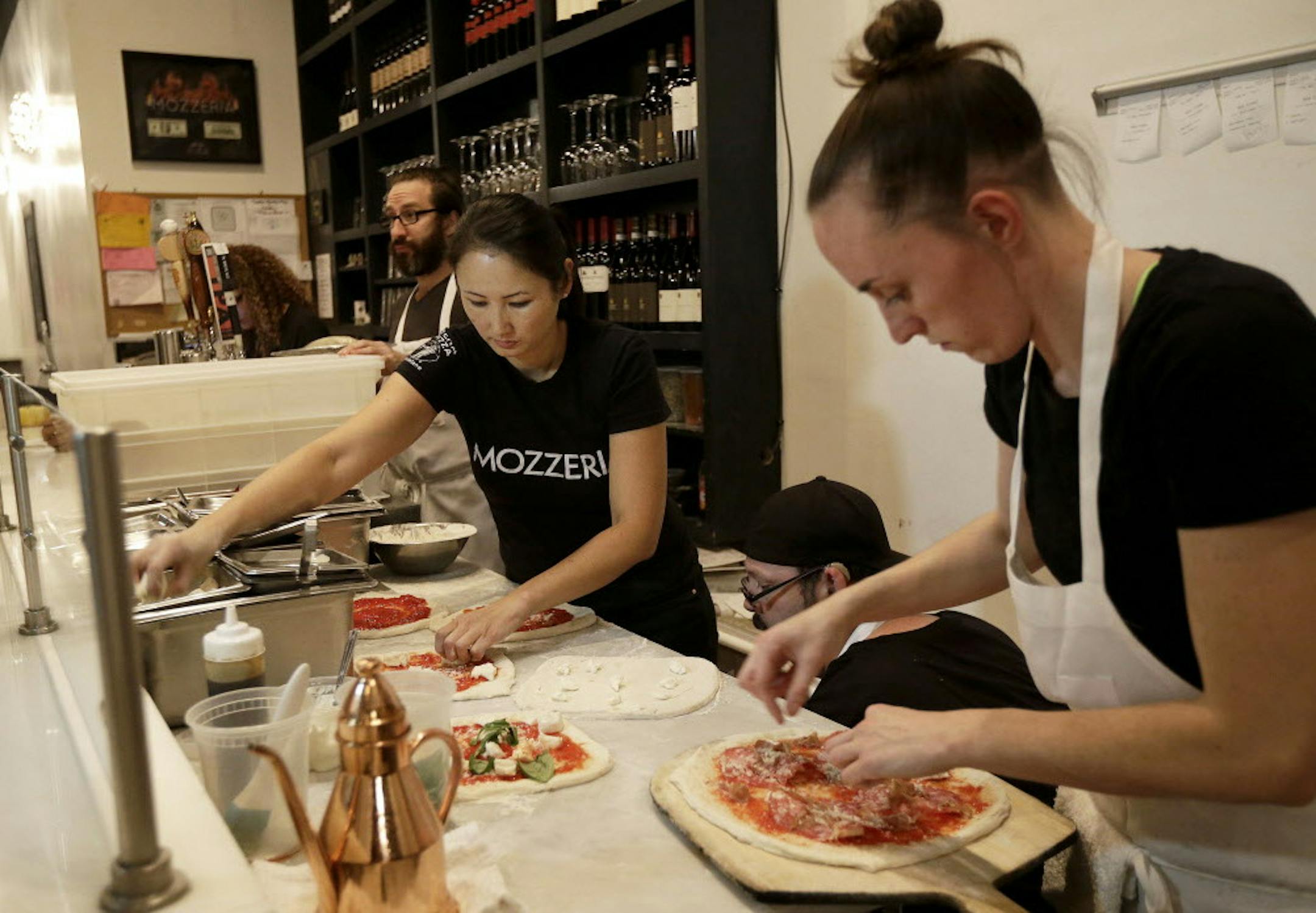
In this Nov. 5, 2015 photo, Mozzeria owner Melody Stein, left, and Sabrina Ferguson makes pizzas at the restaurant in San Francisco. Mozzeria owners Russ and Melody Stein as well as staff workers are deaf. (AP Photo/Jeff Chiu)
Mozzeri owner Melody Stein, left, and employee Sabrina Ferguson made pizzas at the San Francisco restaurant, where most of the employees are deaf. (The Minnesota Star Tribune)
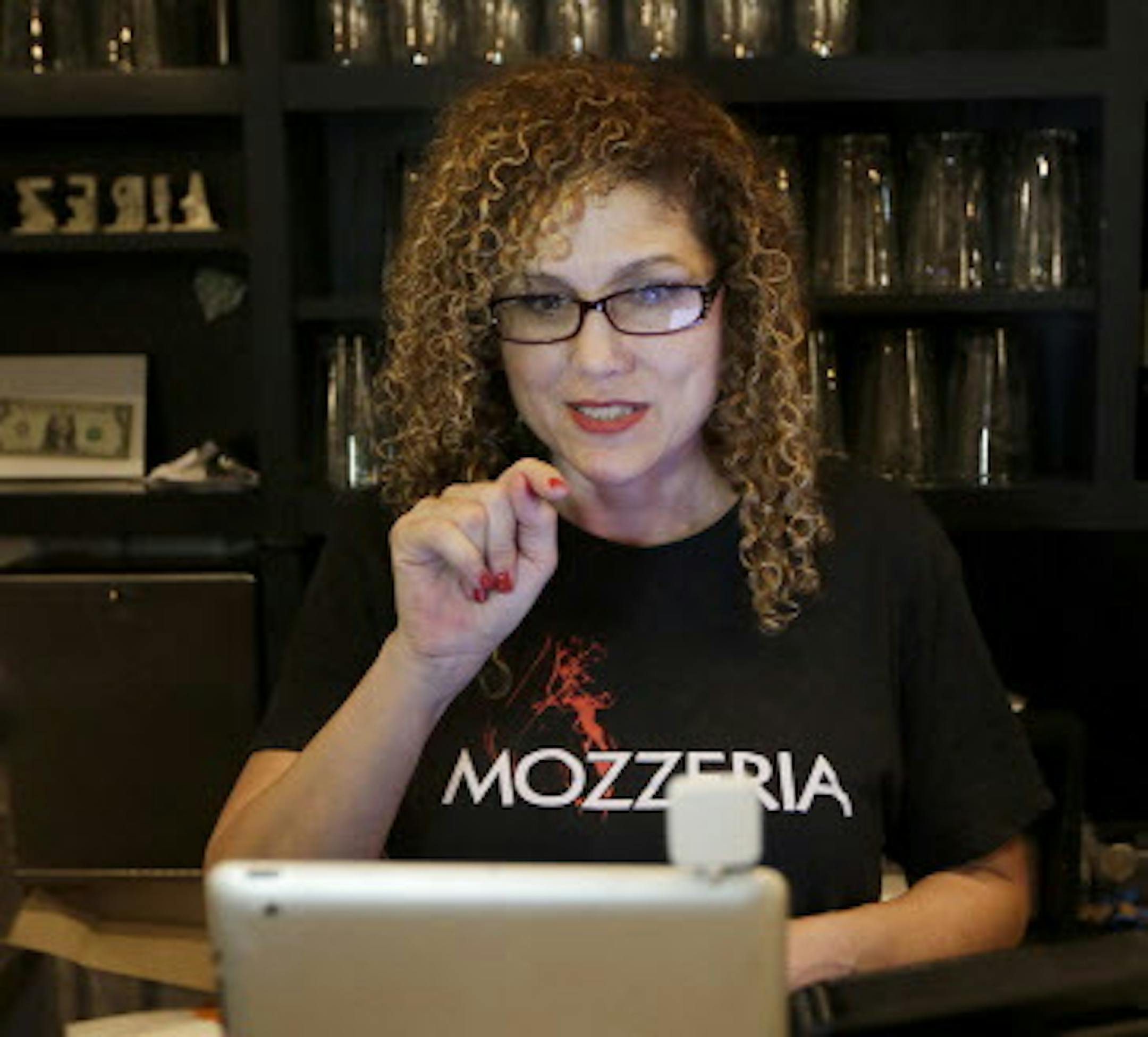
In this Nov. 5, 2015 photo, Tiffany Ruffa uses sign language as she takes call from a customer over a tablet at Mozzeria restaurant in San Francisco. Mozzeria owners Russ and Melody Stein as well as staff workers are deaf. (AP Photo/Jeff Chiu)
Mozzeria’s Tiffany Ruffa used sign language while video chatting. (The Minnesota Star Tribune)
about the writer

about the writer

More from Business

See More
card image
card image
