

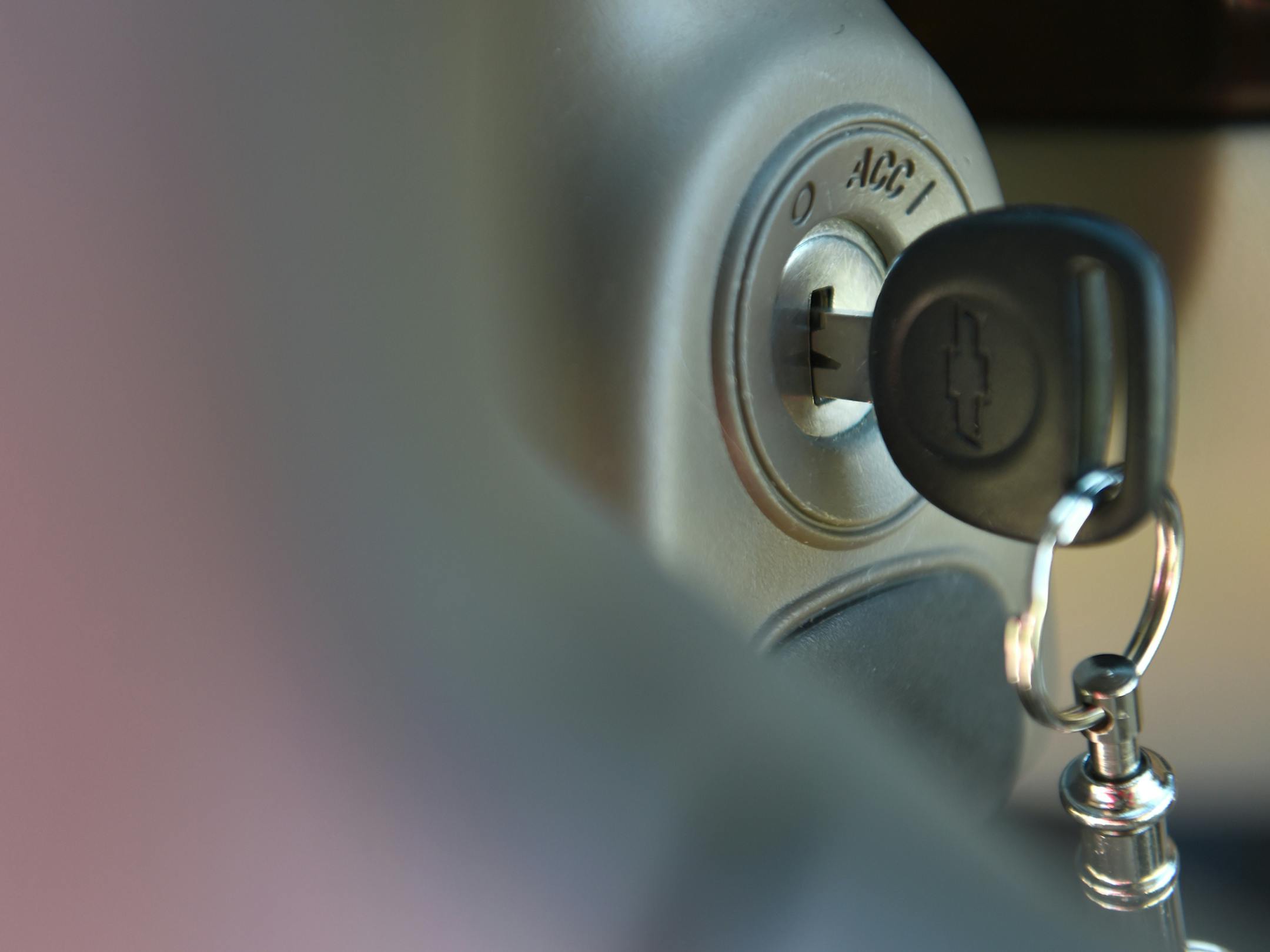
SOUTHFIELD, MICH. – The furor over General Motors' deadly ignition switch has the potential to doom the car key, a technology drivers have been using for 65 years.
Testifying before Congress this month, GM Chief Executive Mary Barra said the recall of 2.59 million affected cars may prompt the company to make push-button start standard in all its vehicles. The shift by the largest U.S. automaker would hasten a technological evolution that started with the hand-crank starter more than a century ago, before Chrysler introduced keyed ignition across its lineup in 1949.
Push-button start, which showed up in Mercedes-Benz models in the late 1990s, is now an option in 72 percent of 2014 cars and trucks in the U.S., according to Edmunds.com. In a survey conducted by auto researcher AutoPacific, consumers ranked the technology the fifth-most-coveted upgrade for $100 or less. This month the New York Auto Show used a push button as its logo.
"People really see the push button as a convenience and a luxury feature," said Bill Visnic, senior editor at Edmunds.com. "The ignition switch is a very fussy, electromechanical part that's seen as less reliable."
Drivers were complaining about key ignitions long before GM discovered switches in the Chevrolet Cobalt and Saturn Ion could slip out of the "on" position, shutting off the engine and disabling air bags. The defective part has been linked to at least 13 deaths.
The National Highway Traffic Safety Administration has logged more than 18,000 complaints about key ignitions, according to a Bloomberg News analysis. They involve multiple models and carmakers and include keys getting stuck, vehicles stalling at high speeds and even cars starting on their own.
GM's faulty key ignition is fairly typical of the flaws cataloged by NHTSA over the years. The key could be inadvertently jarred by a knee, uneven road or weighed down by a heavy key chain. GM is under investigation because it waited more than a decade to recall the affected cars.
The recalled Chevrolet Cobalt and Saturn Ion models don't, in fact, top the list of ignition-related complaints in the NHTSA database. That distinction goes to Ford's Focus, which garnered more than 2,000 complaints about keys getting stuck or not turning, primarily in models from 2000 to 2005. Because Ford decided the flaw didn't imperil drivers, the company declined to recall the cars and instead alerted dealers to the problem so they could fix it.



