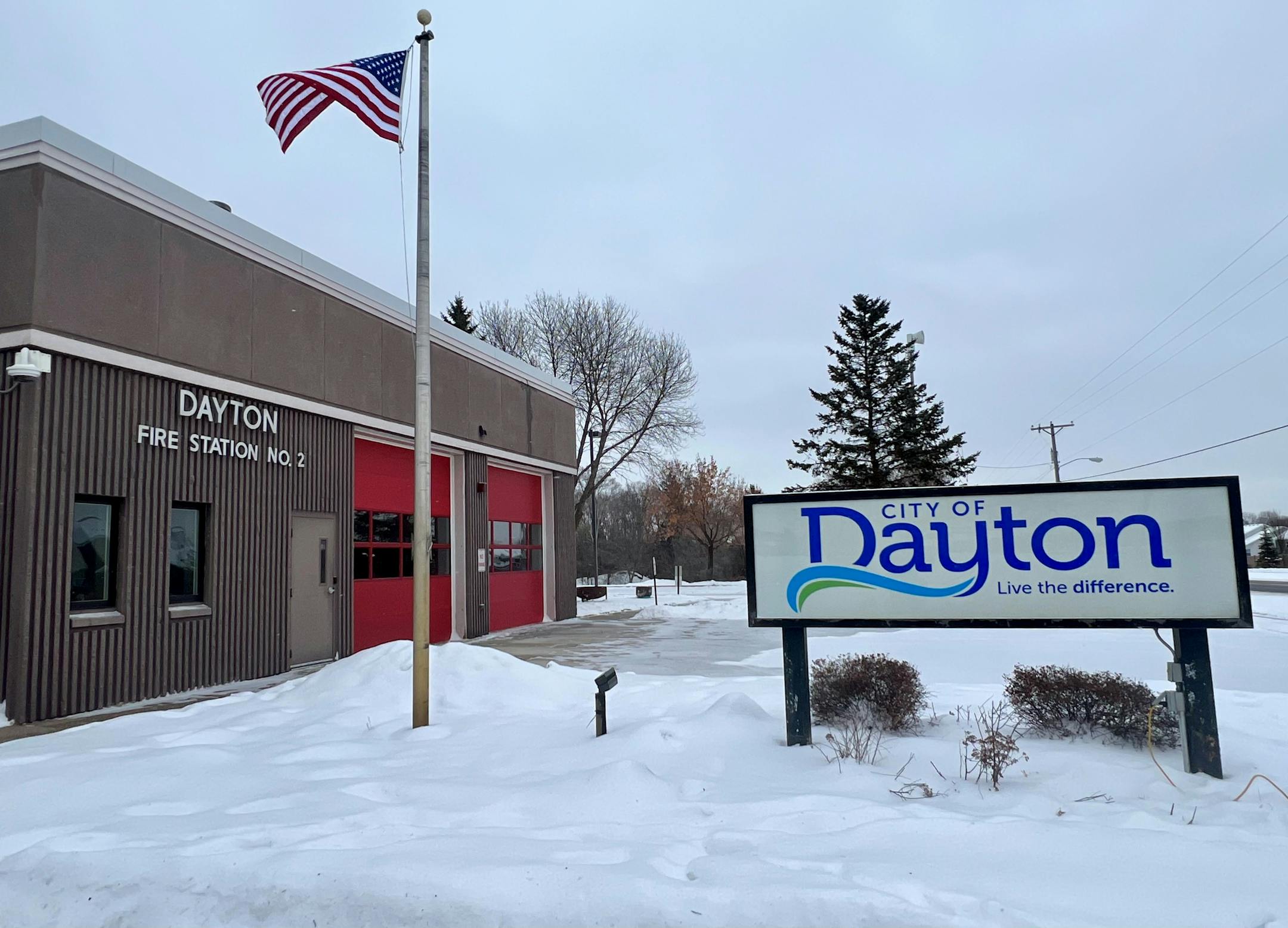
The Dayton fire chief says the need is clear. As the northwest suburb explodes with growth, his department should have a ladder truck to respond to calls at new multistory apartment buildings and large industrial warehouses.
But more than a year after the City Council ordered the $2.5 million truck, the new council this month reversed that decision and canceled the purchase. Council members said a used model should be considered instead, and in the meantime, Dayton can lean on surrounding cities to share their equipment.
The whiplash concerned several firefighters who feel the council has adopted a pattern of undermining the chief and pulling support from the department. It’s the latest in a series of contentious debates that drove more than a dozen firefighters to sign a letter to the council, saying they feel disrespected and believe expert advice is being ignored.
How to structure and fund the volunteer fire department has become a flashpoint in Dayton, one of the fastest growing cities in the Twin Cities area. The fire department is pushing for a more structured staffing model and a long-term plan for expanding resources. But many council members say they need to reel in spending and take a harder look at what level of service the rural community should provide.
The friction has dominated council meetings over the past year, as well as closed-door discussions about investigations into department practices.
“This is the most hot-button topic in the city of Dayton,” City Administrator Zach Doud said.
Evolving fire departments have become a point of tension in many Minnesota cities, a clear sign of a community’s growing pains. Several cities are moving from volunteer to career departments, taking on extra costs and often raising taxes. In Orono and Long Lake, a yearslong disagreement over fire service sparked a lawsuit and an expensive mayoral race.
In Dayton, firefighter Chris Kummer said he worries the drama is starting to make it harder to recruit and retain volunteers.