

Opinion editor’s note: Strib Voices publishes a mix of guest commentaries online and in print each day. To contribute, click here.
•••
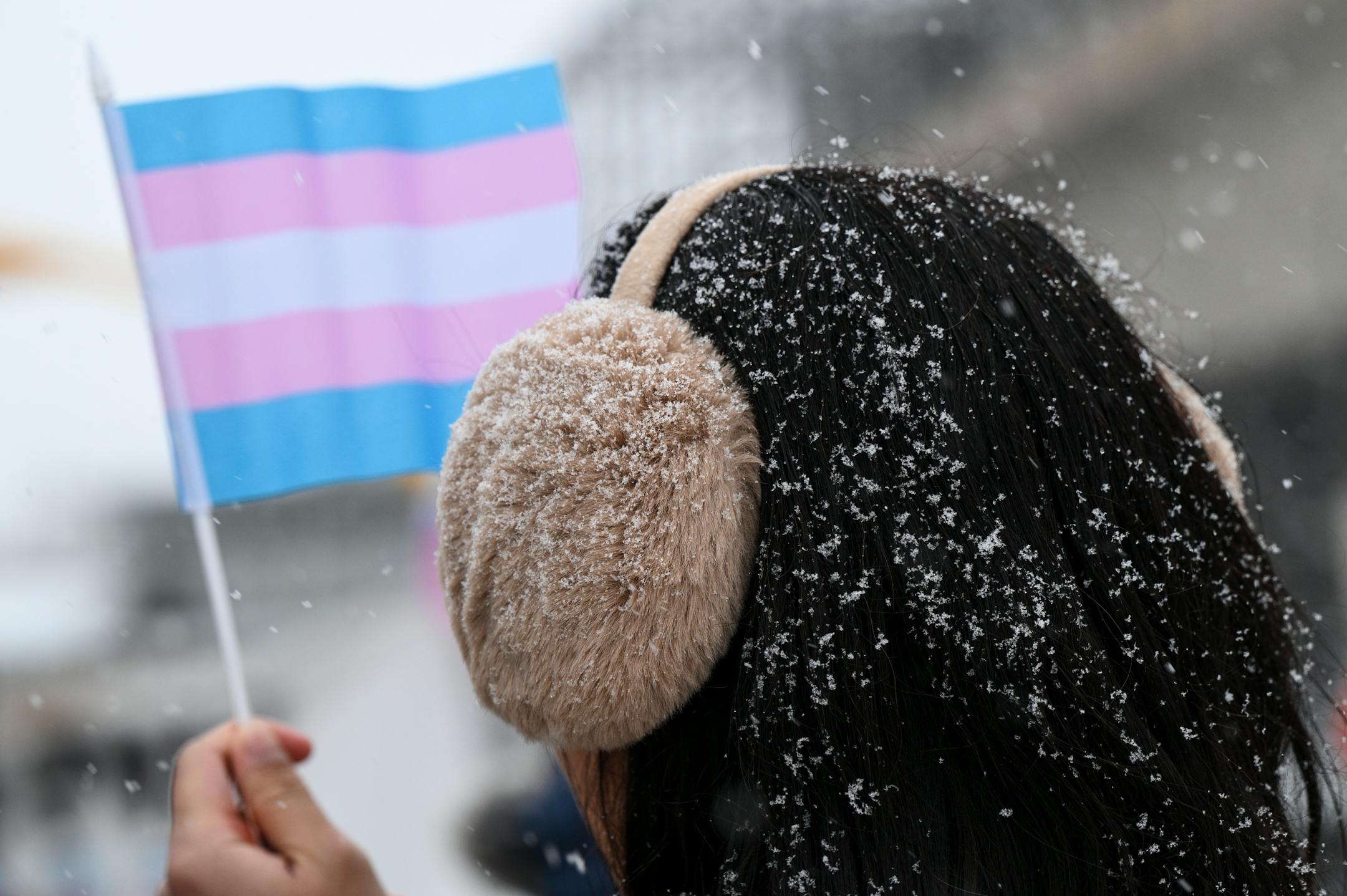
I recently learned of a teenager in greater Minnesota who went to court for what was a pivotal milestone in the life of a young transgender person: legally changing her name to match her gender identity. It wasn’t meant to be a public event.
Yet after her filing, her old and new names circulated on social media. Strangers downloaded the court papers and found her family’s personal information, including her parents’ divorce records. Law enforcement ultimately sought an order to seal the file for her family’s safety. This was not an isolated incident.
Many transgender youth have been “outed” and bullied online and in real life after someone accessed their name-change filings. Their families’ safety was compromised and their privacy shattered all because of documents that don’t need to be searchable online.
Under current Minnesota court policy, when a transgender person seeks a name change or birth-record correction, the entire case is public. Every filing can be accessed, downloaded or shared by anyone, anywhere in the world. A courthouse visit is not required. It’s as simple as typing a name into the Minnesota Court Records Online search bar.
And those records don’t just show the person’s new name. They include their former name (often referred to as a “deadname”), home address, phone number, email address and, in many cases, the names of spouses, parents or children. For minors, both parents’ names appear in full.
In practice, that means any stranger, neighbor or online troll can instantly find out a transgender person’s birth-assigned sex, personal history and location.


