

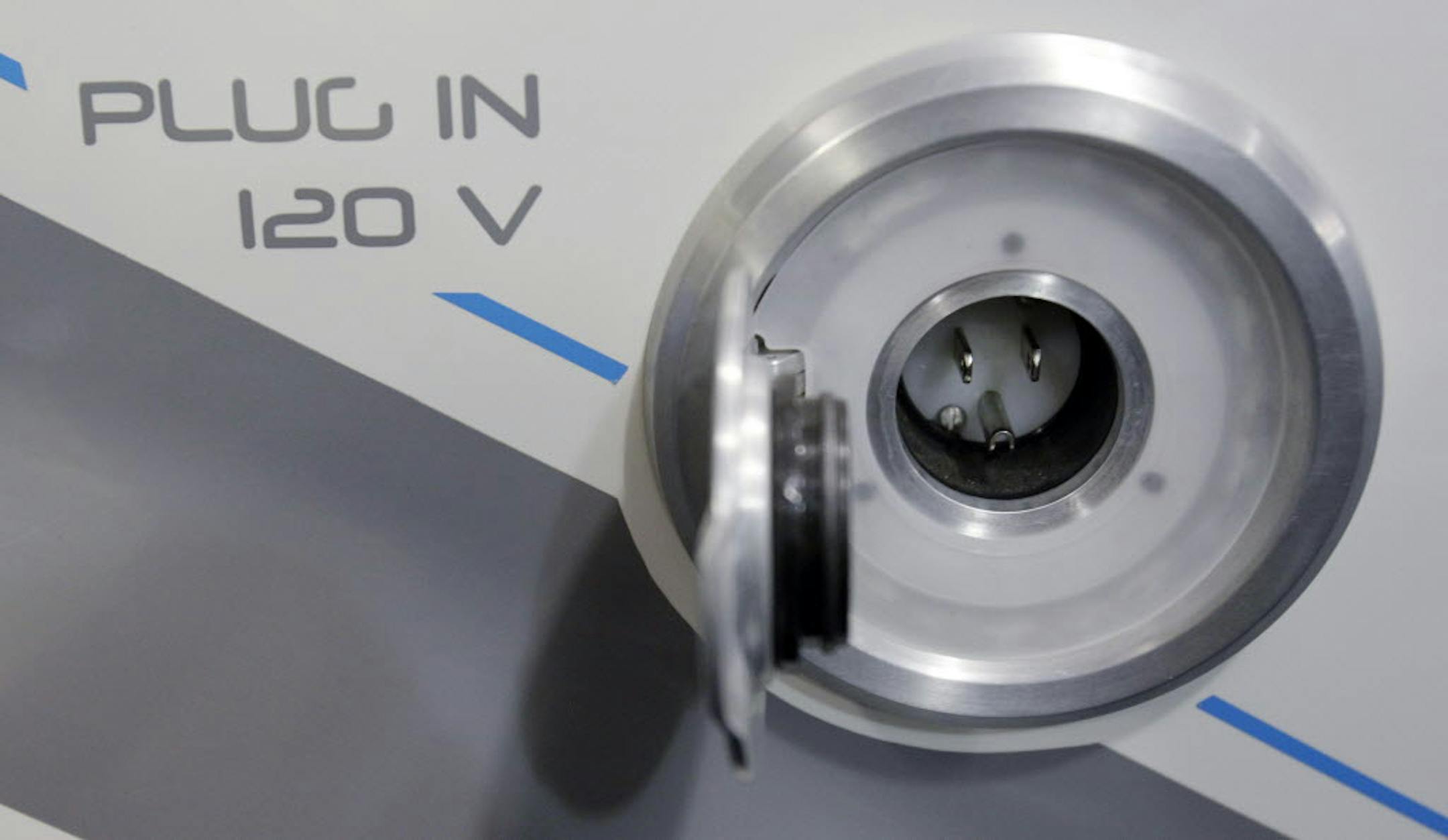
As plug-in electric cars gain a toehold in Minnesota, a suburban Twin Cities power company is proposing the state's first special electric rates for charging vehicles at home.
Dakota Electric Association, a utility cooperative serving 101,000 customers in four counties, plans to offer owners of plug-in cars like the Chevrolet Volt and Nissan Leaf low electric rates at night as an incentive to charge the cars when power demand is low.
During much of the day, electricity for car chargers would be priced roughly at standard residential rates, but the price would rise dramatically during periods of peak electrical demand in late afternoon and evening on weekdays.
If the rate pilot program is approved by state regulators, Dakota Electric would join 22 other U.S. utilities offering electricity pricing plans tailored for in-home charging stations. The program would be voluntary and would require a separate electric meter strictly for the charging station.
"It will encourage people to charge at night, but if they came home from work and want to take the car someplace later and need the battery charged, they can do that," said Joe Miller, spokesman for Dakota Electric. "They will just know that they are going to be paying more for it."
Dakota Electric is the state's fourth-largest retail electric utility and serves parts of Dakota, Goodhue, Scott and Rice counties. It is the only Minnesota electric cooperative that, by its own choice, has rates regulated by the state Public Utilities Commission.
The commission is scheduled to consider the rate request on Thursday. Two state agencies that represent consumers before the rate-making body generally have supported the car-charger pricing plan. But the Minnesota attorney general has argued that the peak rates -- more than three times higher than typical daytime rates -- are excessive.
Other utilities, including the state's largest, Minneapolis-based Xcel Energy Inc., are watching Dakota Electric's pilot project. Like some other utilities, Xcel offers an off-peak residential rate, but not one specifically structured for electric vehicles. Unless customers can shift a major portion of their household's electrical use to the nighttime, the off-peak rate doesn't offer a cost saving.


