SEATTLE – As Amazon ramps up to its holiday peak, scrutiny and criticism of the company is becoming more strategic, widespread and coordinated.
Just last week:
• A coalition of 42 labor, social and economic justice and digital privacy groups formed an alliance called Athena to "stop Amazon's growing, powerful grip over our society and economy."
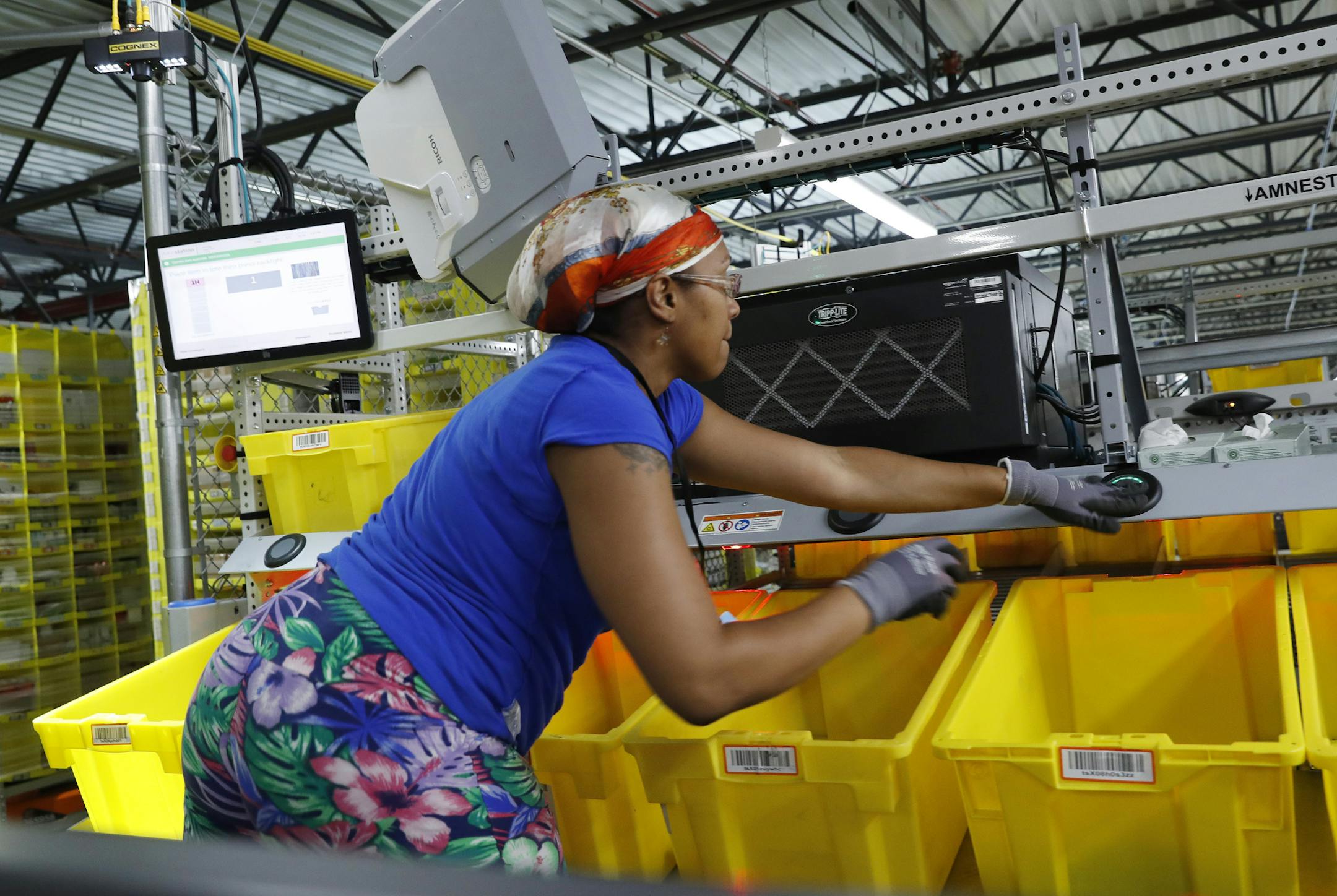
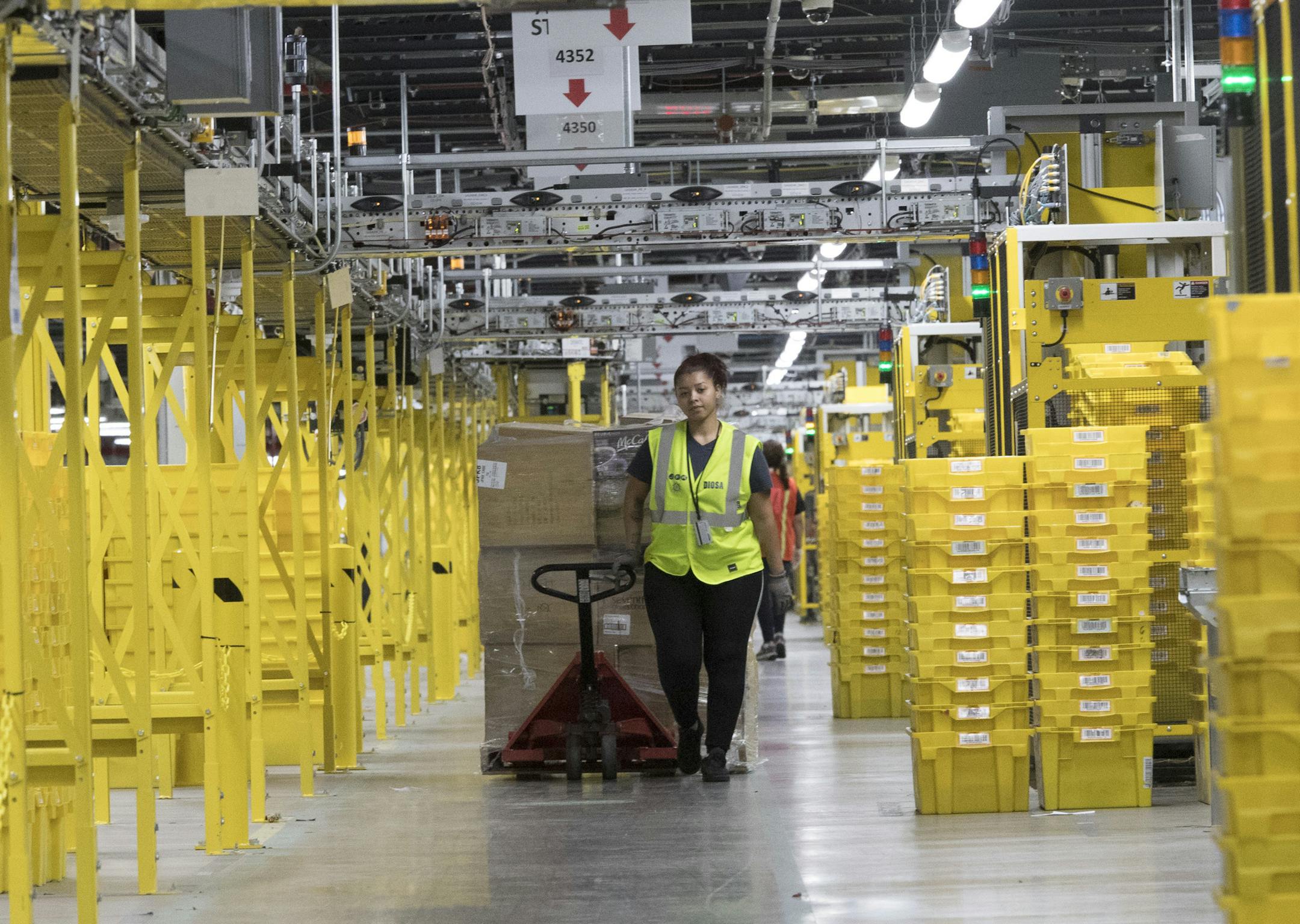
• An investigation found that workers in Amazon warehouses were hurt on the job at a rate more than twice the industry average last year. The injuries, detailed in federal data obtained for about a fifth of Amazon's U.S. warehouses, mounted during the company's busiest periods, when certain warehouses ship as many as a million items a day, said the report by Reveal from the Center for Investigative Reporting and the Atlantic.
• Another report quantified the environmental, social and economic impacts of Amazon's distribution systems in Southern California. The Economic Roundtable's report, underwritten by a union federation, noted that while the company has provided jobs and economic growth, many of its distribution workers were living in crowded, substandard housing and earning less than a living wage.
The drumbeat continues. On Monday — "Cyber Monday" in the parlance of online retail and one of the busiest days on the Amazon calendar — a group of international union and consumer groups gathered in Brussels for a symposium devoted to reining in what it called Amazon's "unchecked power." In New York, more than three dozen demonstrators gathered outside the penthouse residence of Amazon CEO Jeff Bezos.
The recent criticisms follow other high-profile reports documenting traffic injuries and deaths caused by Amazon's third-party delivery contractors, its struggles to remove unsafe and counterfeit goods from its inventory and federal antitrust scrutiny.
Does any of this affect shopping habits? The company's brand is the most valuable in the world, but more negative sentiment has crept into social media posts. Amazon spokeswoman Kelly Cheeseman described critics as "self-interested," funded by competitors and unions "conjuring misinformation to work in their favor."