

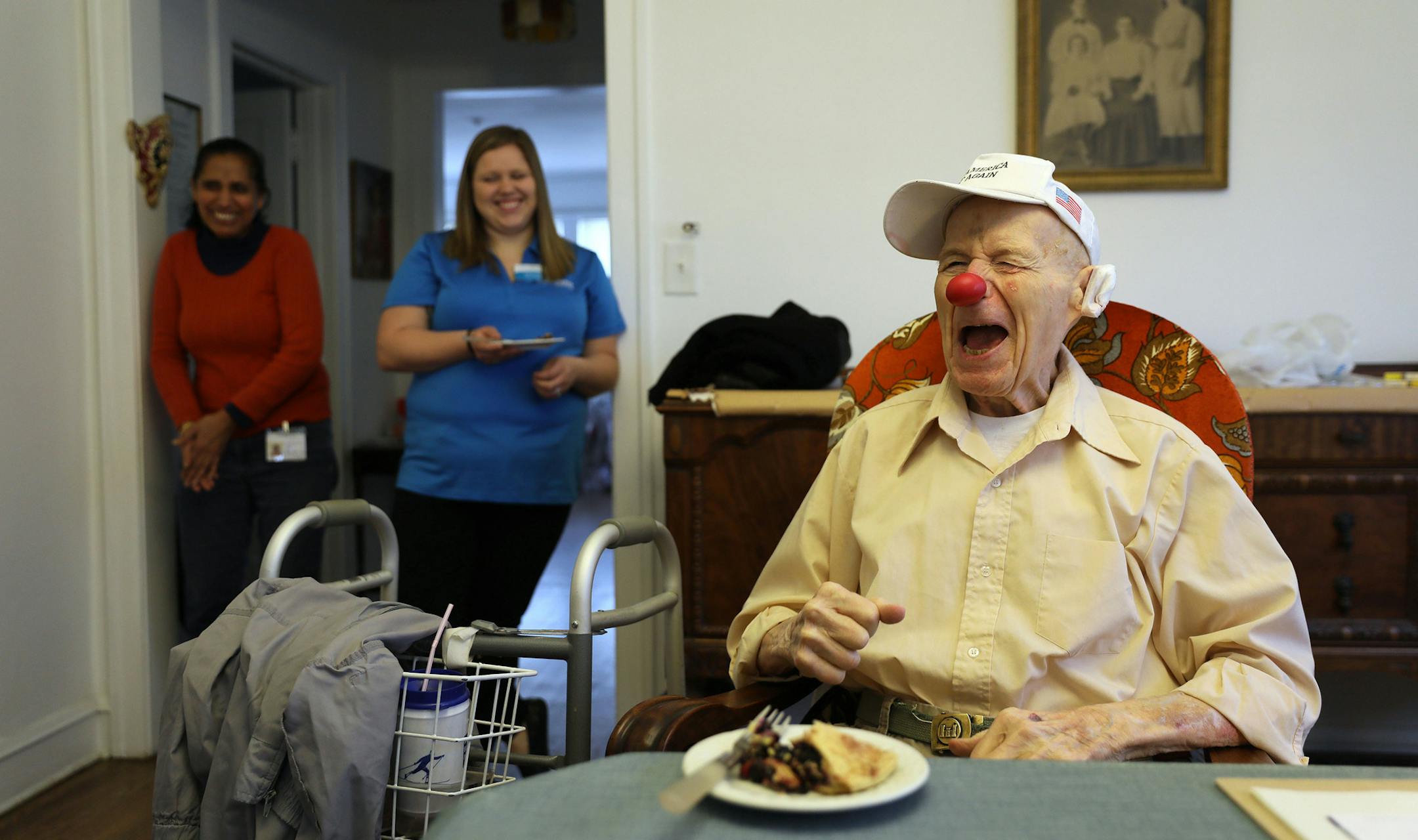
As more and more baby boomers cross the threshold into old age, members of the Me Generation are confronting a new and growing problem: Who will take care of them when they can no longer care for themselves?
It's a situation few families are prepared for but one many will face. As relatives gather for the holidays, it often becomes clear that falls, memory lapses and an assortment of maladies have taken a toll on aging loved ones and help is needed.
But a shortage of qualified workers, rising costs and a demographic shift have seniors facing a caregiver crisis that could take some of the luster out of their golden years.
"We are absolutely in a crisis mode," said Robert Espinoza, vice president of policy for New York-based PHI, a direct care workforce research organization.
"Providers are routinely reporting that they can't find and they can't keep direct care workers, which makes it impossible to provide the care that consumers need," he said
Sometimes a supplement to family caregivers, sometimes the only option, paid caregivers provide seniors with support for the activities of daily life, such as bathing, dressing and eating. More than half of home caregivers have a high school education or less, according to PHI, and their pay is on par with wages for fast-food and retail workers.
Their value may increase significantly in the years ahead.
The U.S. population is rapidly aging: Roughly 10,000 baby boomers turn 65 every day, and more than half eventually will need some form of long-term care, according to Pew Research.


