
Credit madness

The real crisis is on Main Street: It all comes down to how credit card companies have treated consumers far too poorly for far too long.

August 10, 2008 at 2:08AM
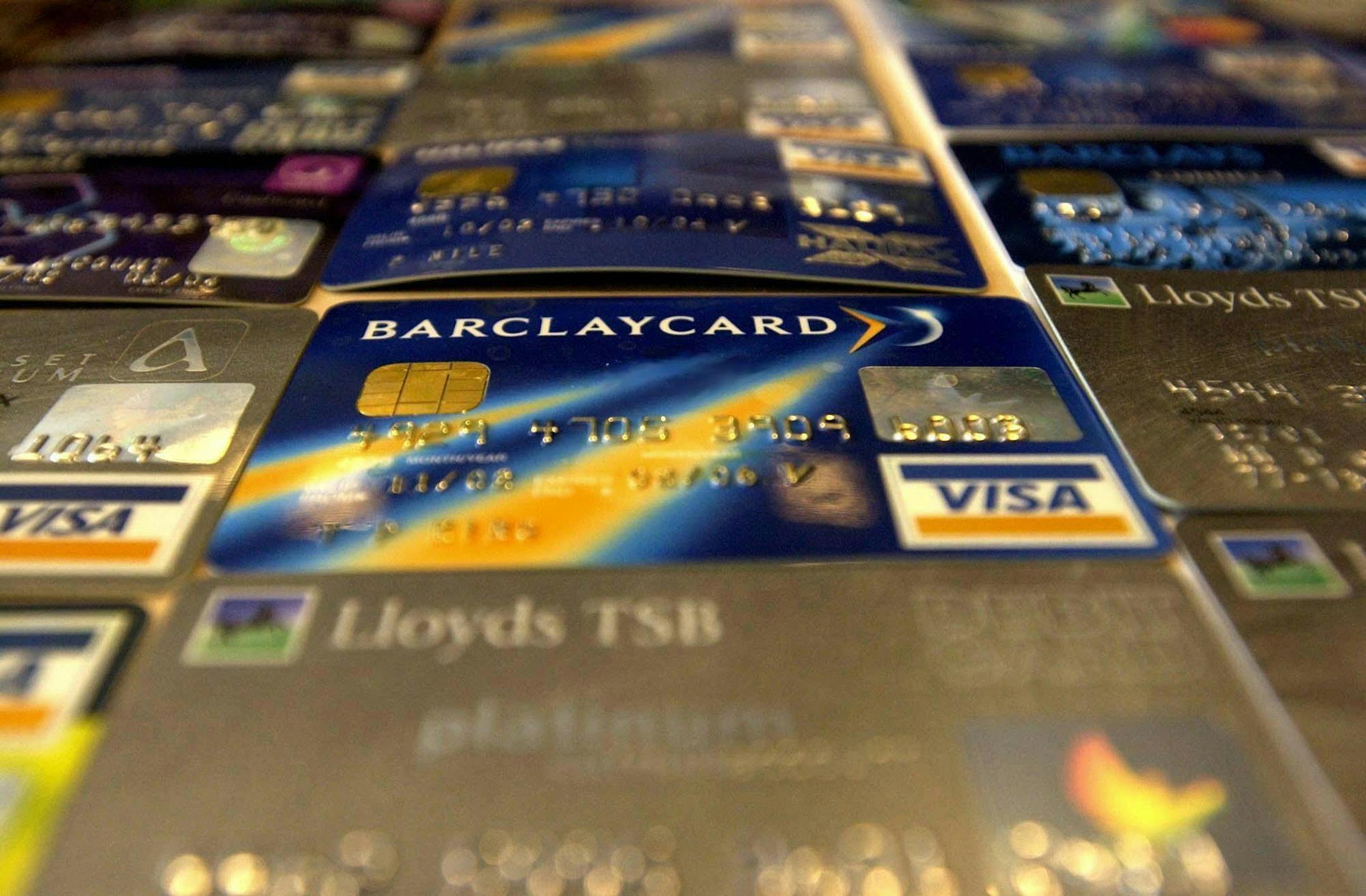
Credit card fraud soars.File photo dated 09/02/04 of a selection of credit cards on display. Issue date: Wednesday March 12, 2008. Fraud on credit and debit cards soared by 25\% last year to reach a record high despite the introduction of chip and pin, figures showed today. See PA story MONEY Cards. Photo credit should read: PA Wire URN:5767579
Americans have a love-hate relationship with credit cards. (Associated Press/The Minnesota Star Tribune)

Americans love to hate credit cards about as much as they love to use them. And credit cards deserve the stink-eye. The list of complaints is endless -- from sky-high fees to interest rate computations that have all but the rocket scientists scratching their heads.

Here's a sampling I received from readers when I asked them to share the abuses they've put up with from creditors:

Because I had issues with other credit cards, MasterCard increased my interest rate from 11 percent to 22 percent, reduced my credit and when I paid it off, they closed the account. I had never been past due on that card and my monthly payment always exceeded the minimum.

Chase bank moves the due date because there are different numbers of days in each month; I pay with automatic bill pay, so this triggered a 30 percent interest rate and a $35 late fee each month. The bank refused to reverse the fees.

Citibank received my payment one day late ... one day! My interest rate skyrocketed from 9.99 to 29 percent and my eyes almost popped out of my head.

My favorite egregious behavior is the "any time at any reason" rule -- that's a creditor's ability to change the terms and rates on your credit card whenever it feels like it. The 2008 Credit Card Survey by advocacy group Consumer Action found that 17 of the 22 credit-card issuers surveyed would raise a cardholder's interest rate even if the cardholder was never late and paid the balances in full. Don't like the new rate? Then close the account -- at least that's the advice half the creditors provided.

Is it any wonder that reader Sarah Jackson likens creditors to reptiles: "It isn't just that credit card companies prey on people with balances; they set people with good credit up to fail. They lay in wait like snakes in the grass to snap up the unsuspecting consumer in the times they are more vulnerable."

Changes may be in the works

Because the souring economy has consumers and policymakers on edge, we may finally see the type of credit card reform that's been a long time coming. The public comment period ended Monday for the Federal Reserve's proposed rules to curb unfair credit card practices. The Fed received a record 56,000 comments.

I'm surprised there weren't more.

Naturally, the creditors aren't hot for these proposed changes, as these practices helped the six largest credit card issuers rake in $7.4 billion in income from penalty fees in 2005, according to a Government Accountability Office report.

The Fed proposal includes banning the practice of raising interest rates on preexisting balances, requiring card issuers to apply payments to higher-interest-rate debt first and doing away with double-cycle billing -- or charging interest on debt that was paid off the previous month.

The proposal is intended to "establish a new baseline for fairness," Fed Chairman Ben Bernanke said in a prepared statement.

He wants the proposed regulations refined and ready to go by year's end.

But lawmakers aren't wasting any time. The House Financial Services Committee approved a Credit Cardholders' Bill of Rights at the end of July that would end universal default -- that's when creditors raise a consumer's interest rates on all credit cards based on behavior related to one card. The bill also prohibits purchases to go through that would trigger over-the-limit fees.

Until the Beltway-powers-that-be come to terms, what can consumers do?

What we've been trying to do all along: Stay current with our bills, read the fine print as best we can, rely on credit as little as possible and try to pay our balances in full.

And if things don't go our way, hope that an understanding person picks up the phone on the other end and gives us a second chance.

If that doesn't pan out, don't take no for an answer. Be willing to ask for manager after manager until someone will work with you. Everyone makes mistakes; the creditors' big one has been treating us this way for far too long.

Share your credit card gripes. Kara McGuire • 612-673-7293 or kara@startribune.com.

about the writer

about the writer

Kara McGuire

Columnist

See Moreicon

More from Business

See More
card image
Alex Kormann/The Minnesota Star Tribune

He dislikes that immigrants have become such a major source of population growth in the state and country.

card image
card image
