

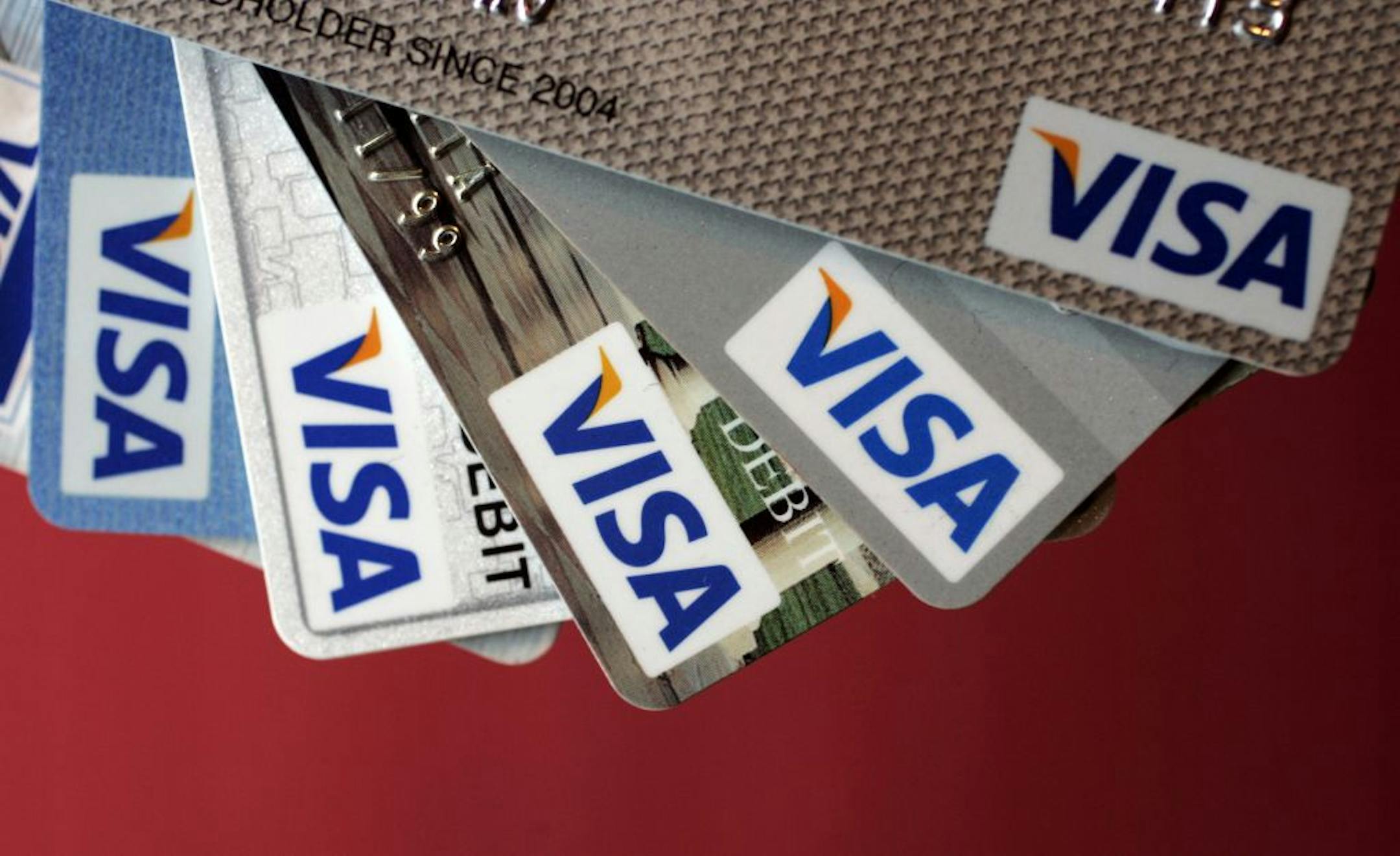
It took seven years to reach the proposed $7.25 billion antitrust settlement involving Visa Inc., MasterCard Inc., the country's biggest banks and millions of retailers.
Now, the courtroom battle for a judge's approval of the high-stakes agreement has begun -- and it's the fight among the retailers themselves taking center stage.
Lawyers for the retailer class on Friday filed their motion for preliminary approval of the agreement in federal court in Brooklyn, N.Y. But 10 of the 19 named merchant plaintiffs now oppose it, including such groups as the National Retail Federation and National Association of Convenience Stores.
Minneapolis-based Target and discount giant Wal-Mart, neither of whom are named plaintiffs in the case, also have spoken out against it.
The agreement aims to settle accusations by retailers that the banks and card companies illegally colluded to fix credit card interchange fees at a high rate, gouging merchants across the country and costing consumers billions of dollars. It would pay $6.05 billion to store owners for alleged past damages, with the rest coming from a temporary reduction in interchange fees called swipe fees.
No date for a hearing has been set, but one is likely to be held by the end of January, said K. Craig Wildfang, a partner at Robins, Kaplan, Miller & Ciresi in Minneapolis and co-lead counsel for the class plaintiffs, which covers about 7 million retailers. Interested parties have 30 days to file their opposition.
The named banks, which include Wells Fargo & Co., and card companies have been quiet. But some of the retailers have been howling since the settlement was announced in July, arguing that it doesn't fix a "cartel-like system" and won't prevent swipe fees from rising higher.
Within minutes of the filing Friday, retailers again were assailing the proposal.



