

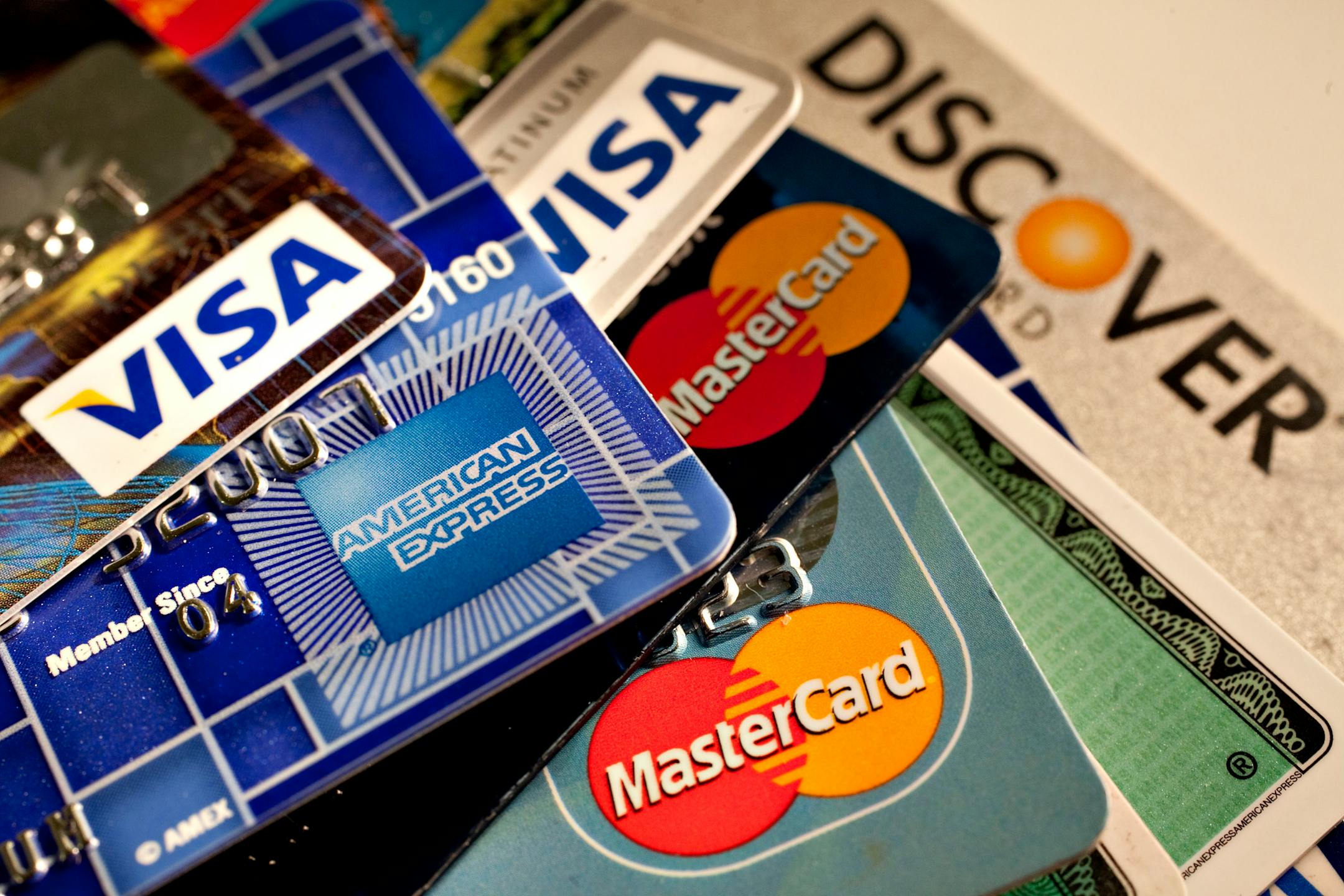
It is now the costliest time to carry a credit card balance, new evidence of the toll that the battle on inflation is taking on Americans' finances.
The nation's average credit card rate hit 17.96% this week, according to Bankrate.com, beating the previous record of 17.87% in April 2019 and the highest since the Federal Reserve began a modern method of surveying rates in 1996.
Nicole Middendorf, an adviser at Prosperwell Financial in Minnetonka, said she's advising people with credit card debt to put their cards in a glass of water and store them in the freezer until they pay them off.
"If you have $4,000 coming in, you can't have $4,100 going out," Middendorf said. "If I'm spending more at the grocery store, something has to give, or you get a part-time job."
The Federal Reserve has implemented its fastest pace of rate increases in decades since March to try to curb inflation that eclipsed 9% earlier this year. The central bank has long aimed for an inflation rate of around 2%.
Almost all credit cards have variable rates that track the prime rate, which is typically three percentage points higher than the federal funds rate set by the Federal Reserve, according to Ted Rossman, senior industry analyst at Bankrate.com.
"So there's a direct pass-through from the Fed's actions to credit cardholders," he said. Plus, Rossman said, card issuers tack a profit margin onto the prime rate, often something like 12 or 13%.
If you started the year with a $5,000 balance on a credit card charging 16%, minimum payments would have kept you in debt for 184 months and you'd rack up $5,406 in interest charges, Rossman said.


