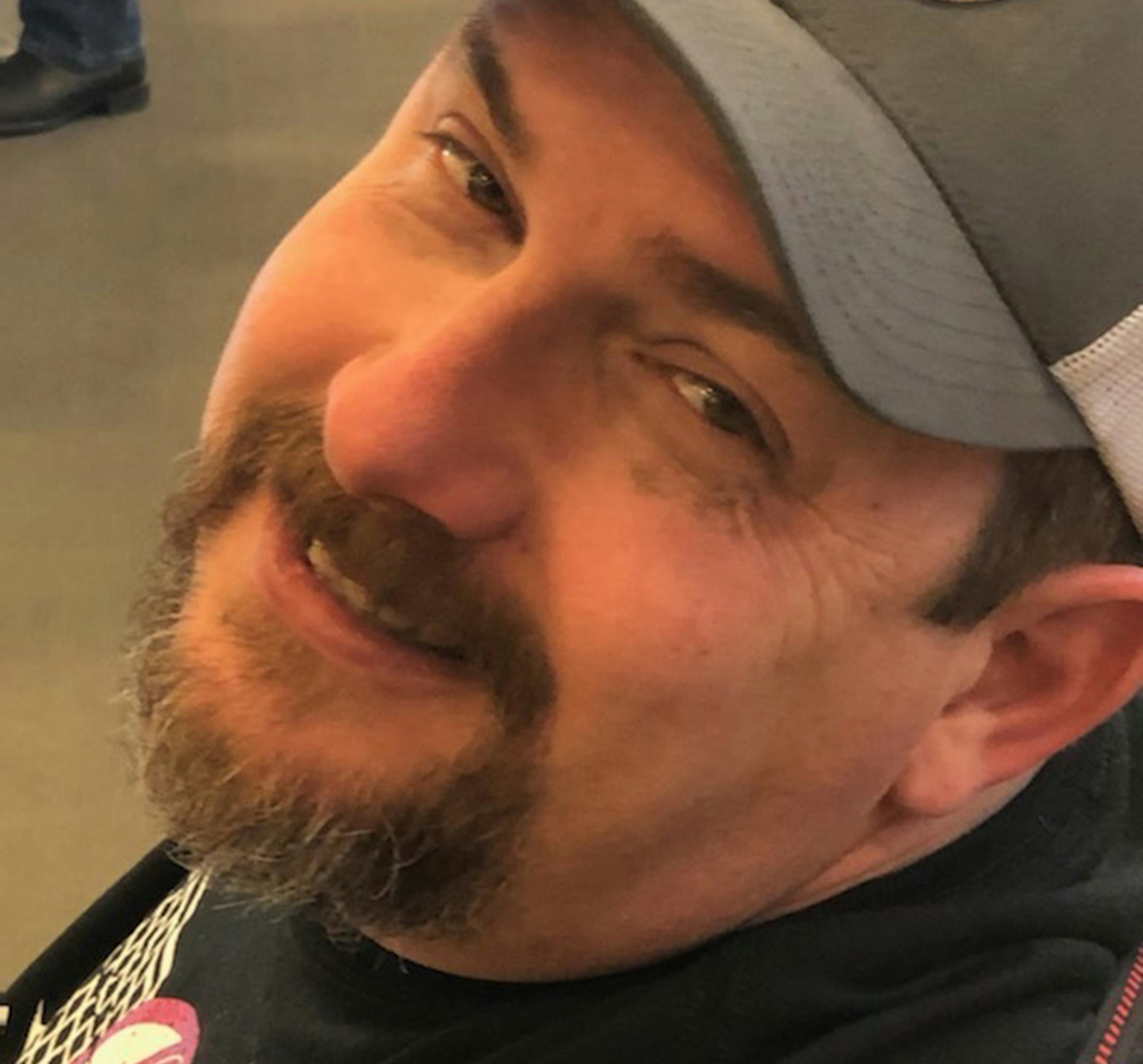
Rob Tersteeg figured at some point, he'd probably get vaccinated against COVID-19.
Yet, busy with his job and family this spring, the 46-year-old oil field safety worker just didn't get around to it. Relatively young, active and healthy, Tersteeg didn't consider COVID-19 an immediate threat, especially after evading illness for more than a year. As an essential worker who had regularly traveled despite steep virus peaks in his home state of North Dakota and across the country, Tersteeg felt safe.
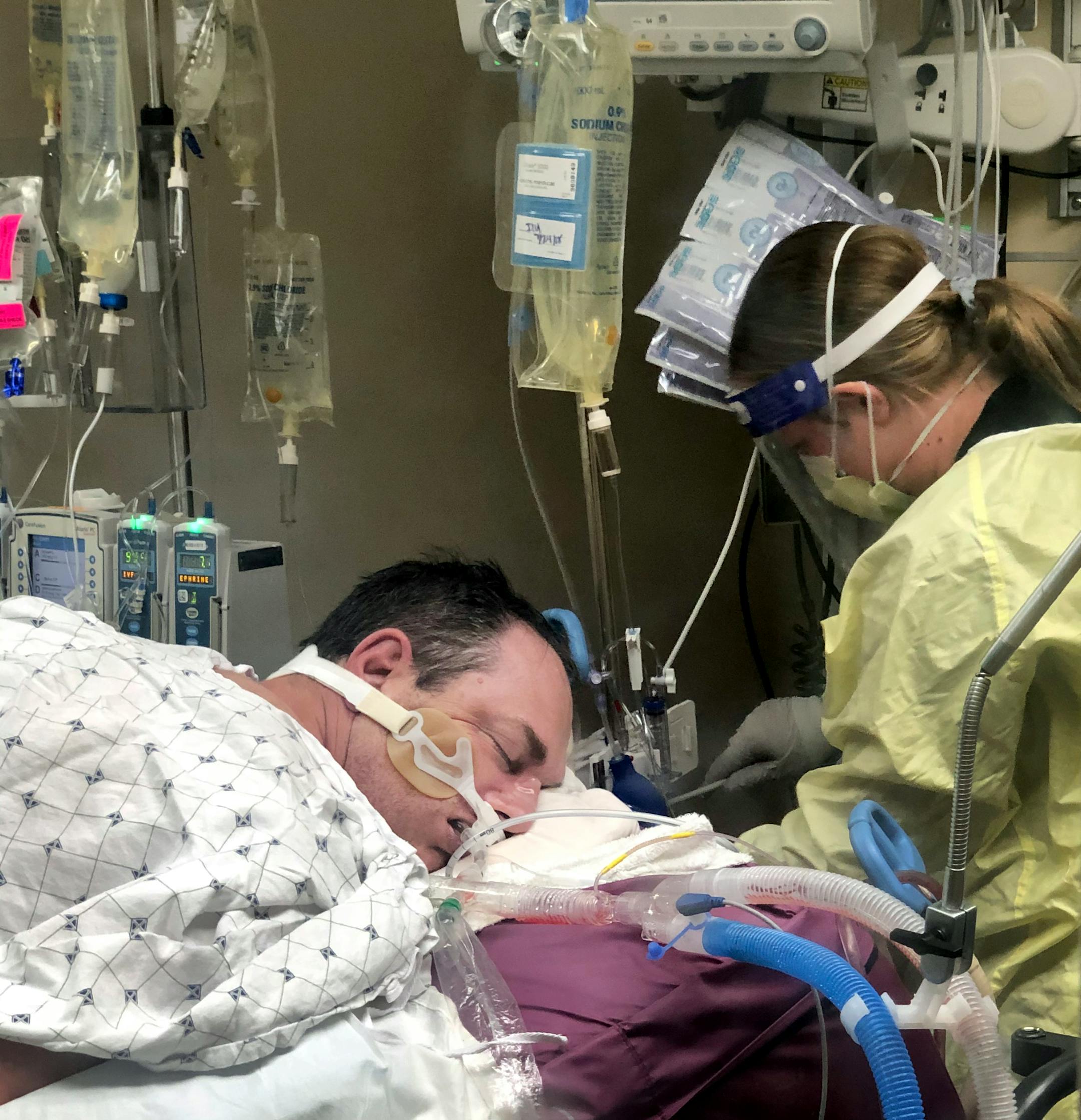
But as he sat in the emergency room of a Minot, N.D., hospital in May, struggling to breathe, Tersteeg told his wife, Amy, of his vaccine regrets. A few weeks later, he died in a hospital in Minneapolis, where a COVID treatment of last resort wasn't enough to save him.
"Rob's final wish was that his journey with COVID might save even just one more loving husband, son, father, uncle, friend," his family wrote in his obituary. "Rob regretted not being vaccinated and, immediately upon hospitalization, made Amy promise to vaccinate the kids."
Nearly everyone hospitalized with COVID-19 in recent weeks and months has had the chance to get vaccinated, likely preventing their illness or at least sparing them from the worst of the disease, doctors say.
Some patients and families remain decidedly opposed to immunizations, health officials say, even after confronting the idea that the vaccine likely would have spared them. But others, including patients who were on the fence about being immunized, are admitting to feelings of regret and remorse.
"I think it's easy for us looking from the outside, or for even people in health care, to think that everybody getting COVID right now is a vehement vaccine opponent," said Dr. Andrew Olson, the director of COVID medicine at M Health Fairview. "That's not the case.
"Instead, we're seeing people who just were busy and were not prioritizing it — and said 'I'll get it done when I get it done,' and 'I don't want to miss a day of work.' "