

Coronavirus infections are climbing again, marking another summer wave as children go back to school.
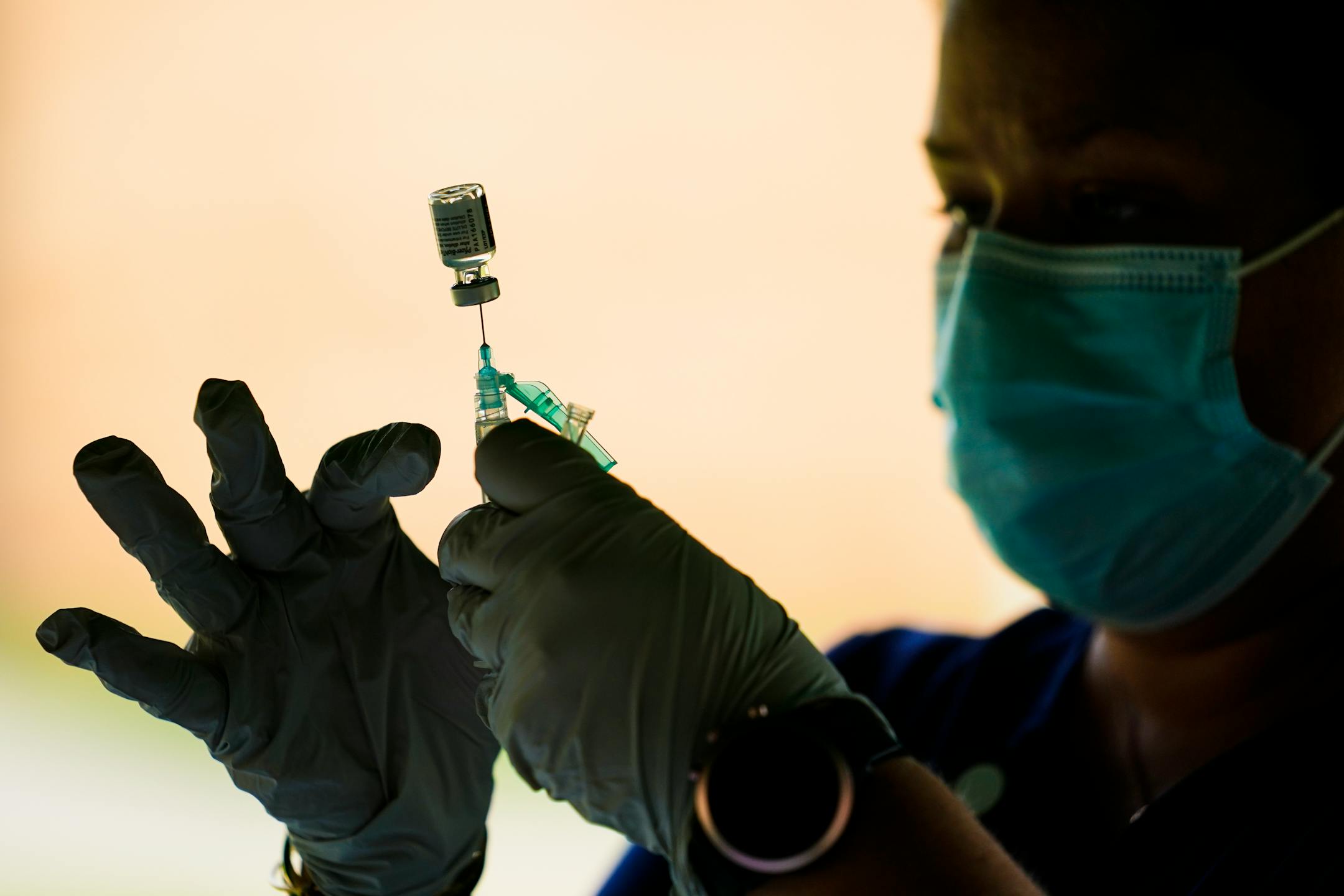
But this uptick arrives with an added layer of uncertainty because it’s unclear when and which Americans can receive updated vaccines this fall.
Daniel R. Kuritzkes, chief of the division of infectious diseases at Brigham and Women’s Hospital in Boston, said the current rise looks similar to seasonal bumps in previous years and is not driving a surge in severe illness.
This is the new rhythm of COVID waves. Many people are getting sick — some feeling lousy — especially after returning from vacation and conferences. Most probably won’t even know it’s COVID because the symptoms can be indistinguishable from a cold or other respiratory bug. Yet hospitals are no longer flooded with patients because immune systems are much better trained to fight the virus five years after it arrived.
But Kuritzkes and other medical and public health experts worry that delays and confusion surrounding the vaccines will limit access for those who need them the most: Adults ages 65 and older and people who have chronic conditions, weakened immune systems or are pregnant.
The federal committee that would recommend the updated coronavirus vaccine is not expected to meet until at least mid-September, according to industry employees and Centers for Disease Control and Prevention officials who spoke on the condition of anonymity to share sensitive information. By that point, the summer COVID wave could be over, but Americans could still get a boost of immunity ahead of an expected winter wave.
Here’s what to know about the latest with COVID and how to protect yourself:
What does the data show?
Several metrics tracked by the CDC show a midsummer uptick of coronavirus underway in the United States.


