

Apart from whether there is merit to renaming Lake Calhoun, the results of a commentary writer's "survey" of his neighbors on their feelings about the effort reveal a staggering level of ignorance as to the origin and history of our state ("I asked 350 people who live near the lake about renaming it," Nov. 1).
The writer states: "These people [those surveyed] raised a good question. What exactly have the Dakota Indians done that is a positive contribution to all Minnesotans?"
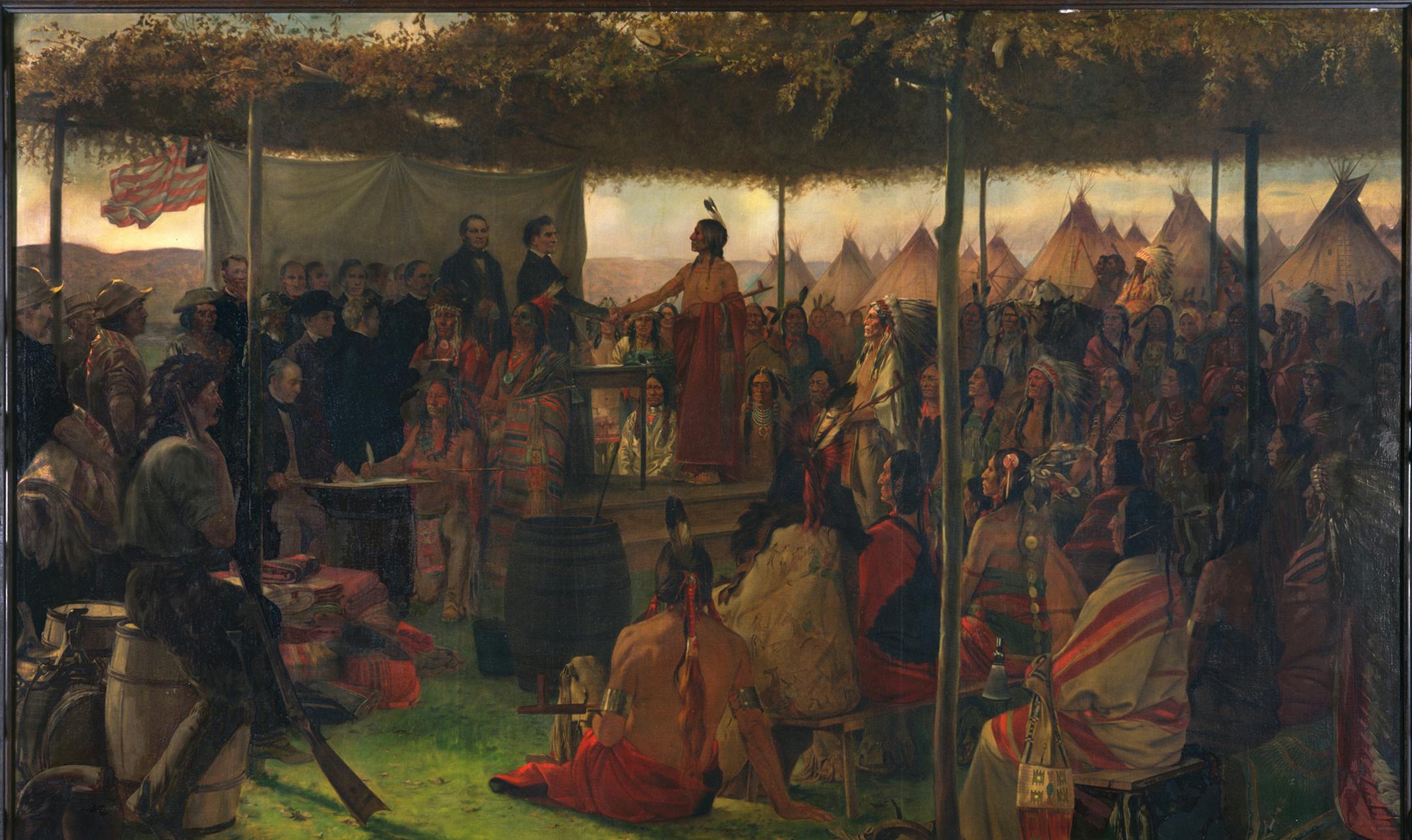
For starters, it could be pointed out that the Dakota ceded (gave up) almost all of the land south and west of the Mississippi River into Iowa in the Treaty of Traverse des Sioux. This land is the basis for most of the wealth ever created in this state, including the appreciation any of us enjoys each time we sell a property. Homes, schools, churches, farms and businesses are all on that land.
But to take a step back: Minnesota was the homeland of the Dakota until the Europeans arrived with their belief that civilization and religion were a fair trade for land that was occupied by non-Europeans (the Doctrine of Discovery). The native people here, as elsewhere in the country, were simply in the way of settlers needing the land — land they believed had been given to them/us by God to occupy. Even a founding father like Thomas Jefferson felt justified in suggesting "extermination" (his word) for native people who refused to get out of the way.
In 1851, the Treaty of Traverse des Sioux reduced Dakota land to a strip along the Minnesota River. After 10 years of treaty violations and starvation, they dared to fight back. The result was that Gov. Alexander Ramsey decided the Dakota should be exiled from Minnesota or exterminated. And 38 leaders and fighters, guilty and innocent, were hanged in Mankato.
So how would people in that situation make "a positive contribution to all Minnesotans?" Does that question seem absurd yet?
Whether or not the name of a lake gets changed, our education system has failed us in this regard. The first entry on the abstract to our home is "United States to Lucius N. Parker."
Lucius N. Parker was a 25-year-old land speculator from New York.


