

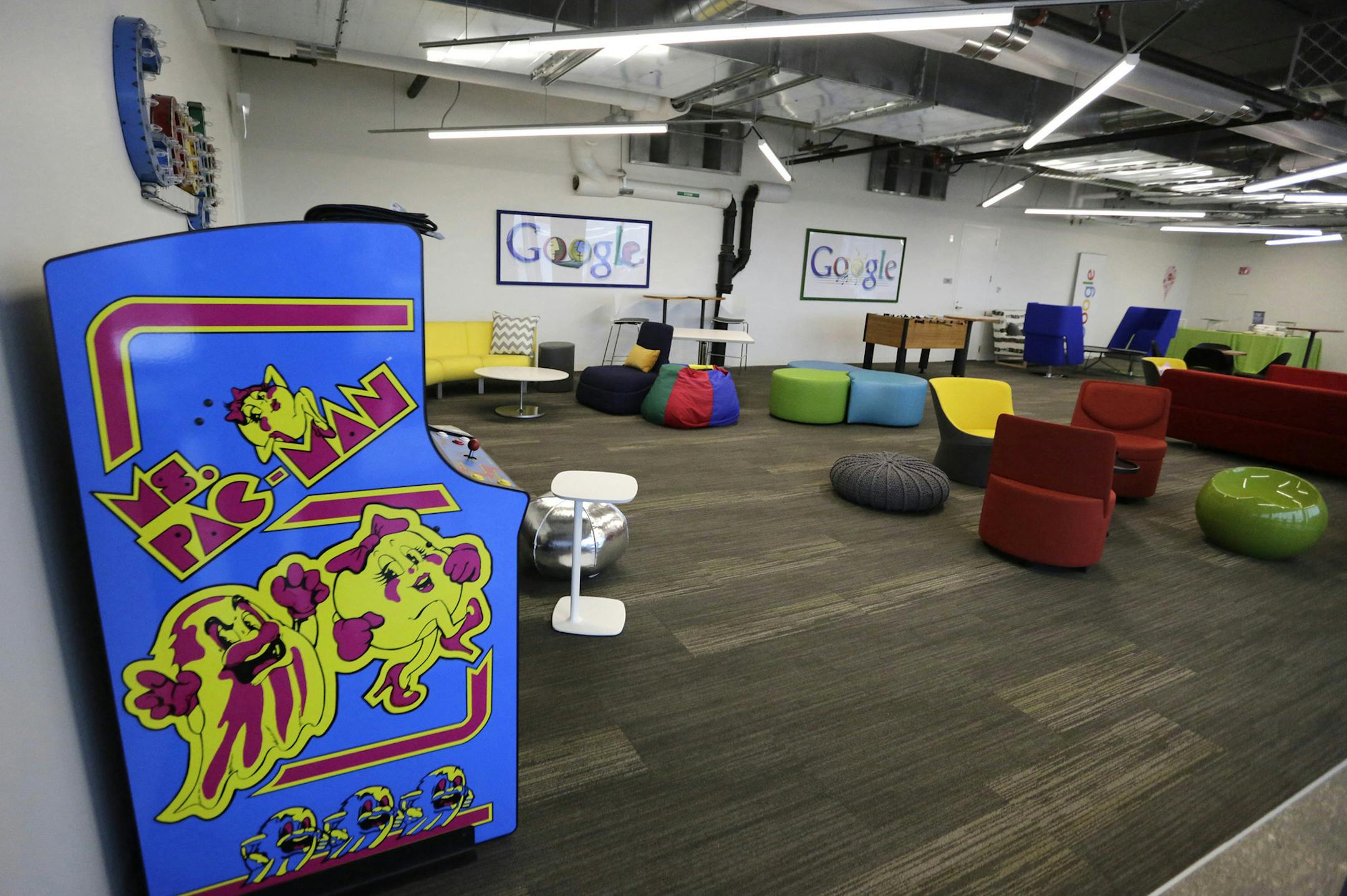
In " 'Cushy' and creativity don't play well" (Jan. 24), Eric Weiner uses beanbag chairs as a metaphor as he argues on behalf of personal challenges in the creative life. Weiner extols hardship as a boon to creativity. He plays with the image of the starving artist living in a chilly garret.
While "La Bohème" makes a great story, Weiner forgets that the artists in the opera are immensely unsuccessful and that Puccini, the composer, was wealthy and pampered.
The challenge to the creative person is the problem to be solved, not personal limitations or poverty. Note that the problem for those starving in India has been to grow more rice inexpensively. The solutions, however, come not from India where farmers live from hand-to-mouth — literally. The Indian farmer lacks the leisure to create improved strains of rice. In Minnesota, we have the opportunity to "waste" space by testing diverse crops on the St. Paul campus of the University of Minnesota. We have the "leisure" to do the research that leads to better crops. We have the financial opportunity to pay creative scientists as they invest in new seeds and fertilizing methods. In St. Paul, we solve India's rice problem.
Nobel Laureate Norman Borlaug, another product of our U, went to Mexico to invent new strains of high-yield, disease-resistant wheat and new farming methods. He had the leisure and financial support to be creative.
The Soviet Union invested in space exploration and invented Sputnik. When President Kennedy decided that we, too, could afford to invest acreage and talent in space, we became the first on the moon. The NASA scientists were well-paid. The launchpad was expensive. Now that we're again pinching pennies, our creative space research lags.
Weiner notes that Steve Jobs worked out of a garage. Could he have achieved, had he not had that space? Could he have moved faster with a larger garage? Where did he find money to buy parts? Weiner devises an inspiring myth, but tells only part of the story.
Yes, Van Gogh was a genius and an incredibly productive artist. He was able to buy paint and eat regularly and pay rent because he had a sponsor — his brother Theo. Otherwise, he'd have been living hand-to-mouth, desperately trying to find his next meal.
To add to the merits of personal challenge, Weiner reminds us that Einstein and Picasso experienced dyslexia. He doesn't measure the degree of dyslexia nor document that these geniuses were more creative because of their special challenge. How many people without dyslexia have become great artists and scientists? Weiner documents absolutely no relationship between Einstein's alleged dyslexia and his creativity.


