

America seems fully caught up in pulling down statues and renaming things these days.
As we shed a new light on old heroes, they become no longer acceptable to have their name or image portrayed. It's a little bit like Russia in the last century or so, where whenever there's a regime change, all the cities get a new name.
This re-evaluation of our forebears seems to raise the question: Do we judge these people by the totality of their life and the expression of that life, or do we start to weed them out because something they supported in their time has now become abhorrent to us?
In seems ludicrous, but do we cast aside Washington and Jefferson because they were slave owners? Do we vilify Jefferson because he had slaves and even had children with a slave, or do we somehow accept that flaw in the man who wrote probably the most precious document in our national heritage, and made the words "all men are created equal" into our most treasured credo?
Minnesota has not been immune to this great debate. Lake Calhoun is under constant attack on these pages because its namesake was a slaveholder and a staunch defender of states' rights, including the right to be a slave state. Or do we take a broader view and see Calhoun as he was back in the old days when the lake was named, someone considered a statesman equal to Daniel Webster and Henry Clay? A Senate committee, chaired by John F. Kennedy, found Calhoun in 1957 to be one of the five greatest U.S. senators of all time.
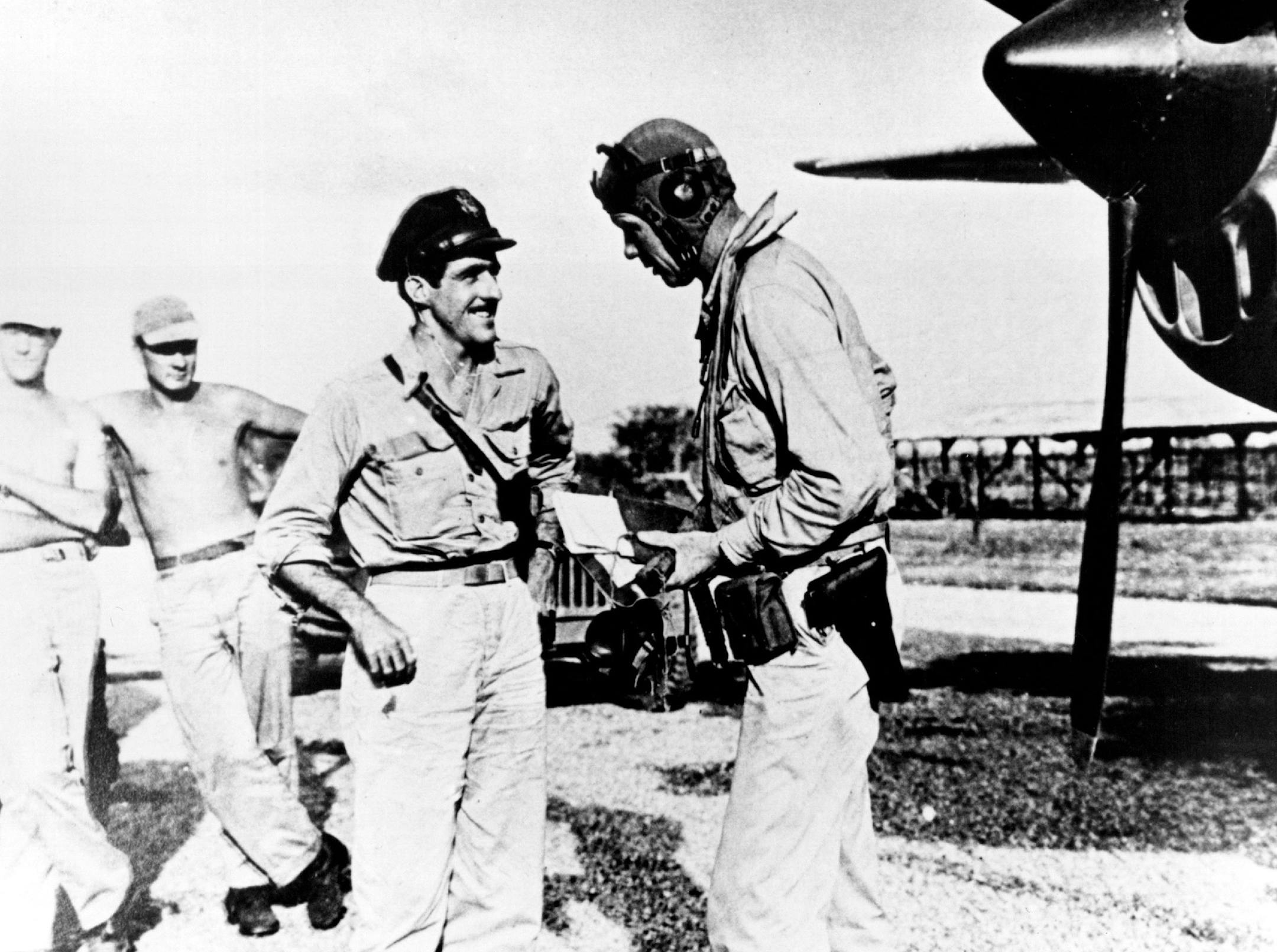
And now the spotlight has shifted to whether the Minneapolis-St. Paul International Airport's Lindbergh Terminal 1 should be renamed. As we look back at the life of Charles Lindbergh though our new lenses, the flaws of his life have become magnified to the point as to make his name unusable to some ("MSP has its own ugly connection: Lindbergh," Sept. 5, and "At the very least, it's now time for a reordering," Sept. 8).
Which brings us back to my main question: Do we start changing names based on a person's life as a whole, or can one heinous deed overshadow all else — and how heinous does that deed have to be, and how do we agree on its heinousness?
A big problem, of course, is not taking into consideration the life and historical times of the person in question. In George Washington's and Thomas Jefferson's neighborhood, owning slaves was the norm. Indeed, putting our values on the choices made by people who lived in other times is a tricky business.


