

Opinion editor’s note: Strib Voices publishes a mix of guest commentaries online and in print each day. To contribute, click here.
•••
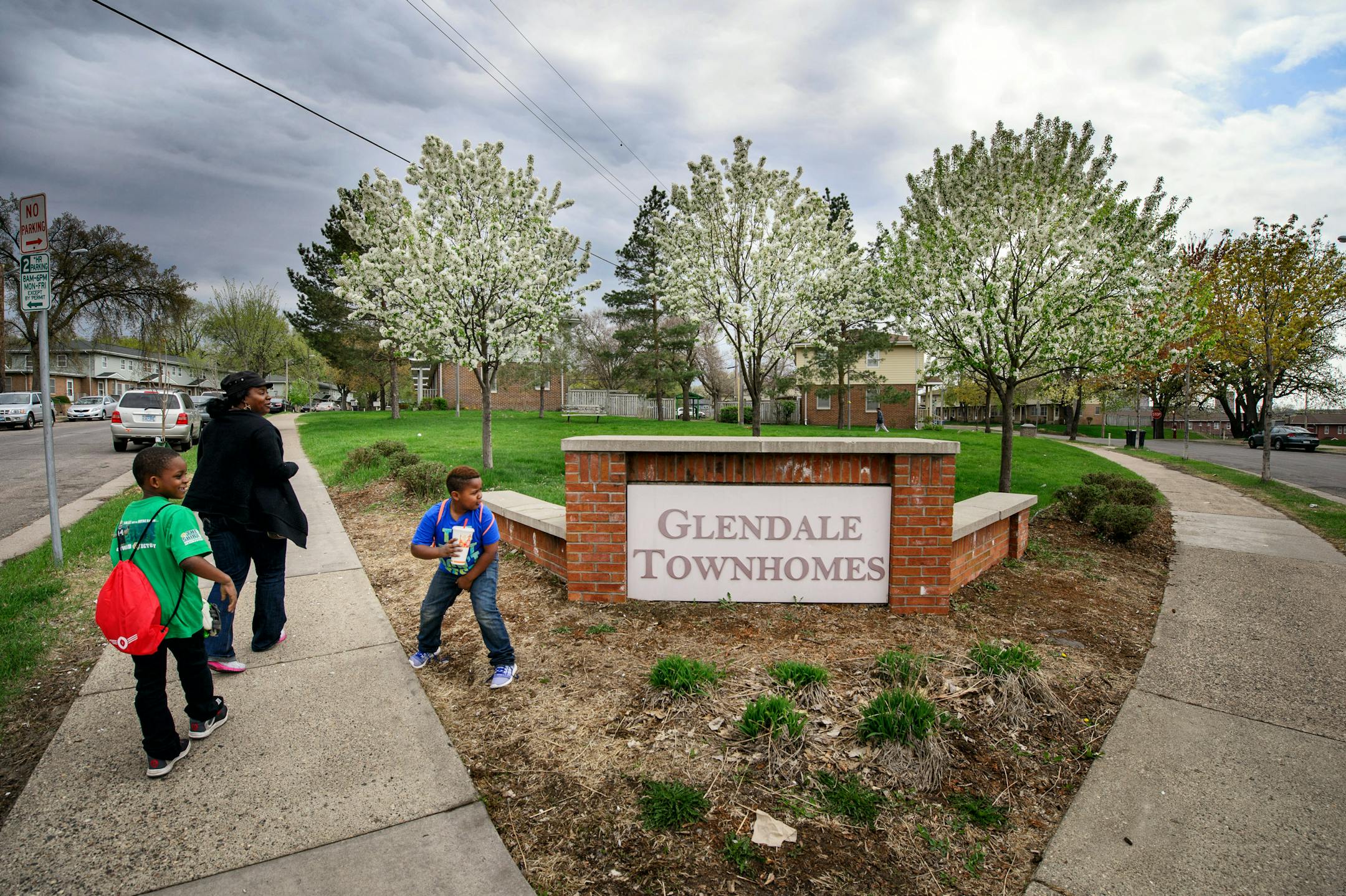
A recent commentary by Minneapolis City Council Member Robin Wonsley advocated historic preservation status for the Glendale Townhomes, the city’s oldest remaining public housing (“At Glendale Townhomes, we can protect our history while investing in our future,” May 28). The council will vote on this historic district in June. I want to share context that Wonsley overlooked, along with my own historic perspective. I was the general manager of Glendale Townhomes in the second half of the 1970s, where I got to know residents and learned about Glendale’s history.
Glendale is public housing with 184 townhomes on 14 acres — remarkably low density for attached rental housing. The buildings are attractive but not notable, and the site has rolling hills and nice lawns. It adjoins Luxton Park in southeast Minneapolis and is bordered by new high-rises on the west and single-family homes on the east.
Glendale was built in 1952 and, like most buildings over 70 years old, it needs major maintenance. The Minneapolis Public Housing Authority (MPHA) estimates that rehabilitation will cost more than $22 million. After listening sessions with residents, the MPHA drafted alternate plans for both renovation and redevelopment. The renovation plans retain the current 184 units while the redevelopment plans add additional low-income homes. The proposed redevelopment option replaces the current two-story buildings with three- and four-story buildings. Redevelopment, however, requires residents to move to temporary housing during construction, with continued housing subsidies and the right to return to Glendale.
The Glendale historic designation proposal appears to be a device to block the redevelopment option. Undistinguished buildings under 75 years old are not usually considered historic.
Wonsley makes three arguments in favor of historic designation. The first is to recognize people of color, working-class people and public housing. Second, that a majority of Glendale residents signed a petition in favor of designation. Third, Wonsley claims that historic designation would not necessarily prevent redevelopment.
Wonsley is right that the histories of people of color, immigrants and working-class people are too often ignored, but historic designation for Glendale as a remedy is a stretch. Current Glendale residents are 89% Black/African American, but Glendale was predominantly white during the first three decades of its seven-decade history. Glendale has been a wonderful place for many immigrants and people of color over the past 40 years, but if occupancy by people of color qualifies a building for historic designation hundreds of buildings in Minneapolis qualify.


