

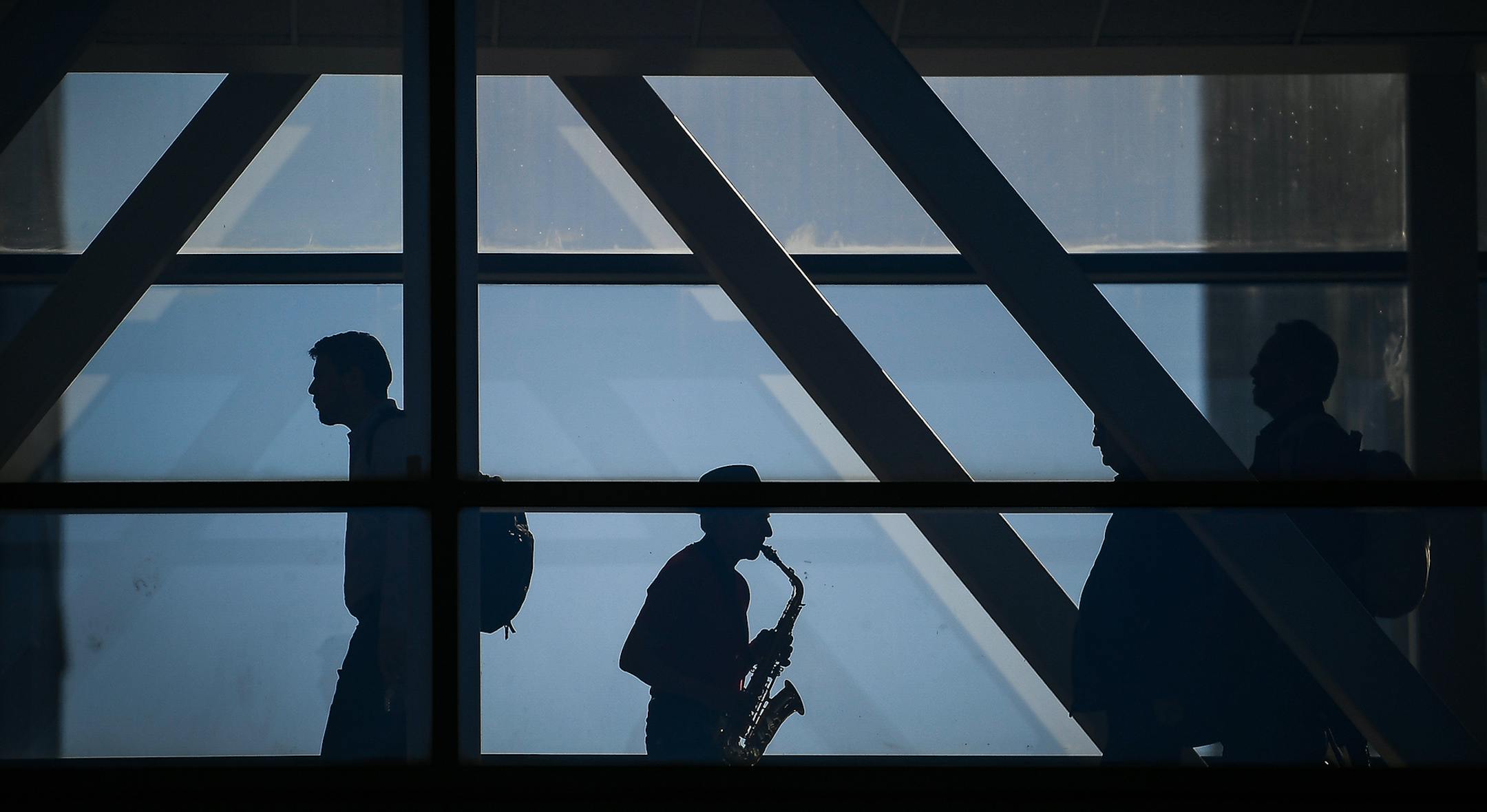
The drumbeat to eliminate our venerable skyway system is discouraging ("A farewell to skyways," April 23). The skyways have flourished since the early 1960s for good reasons, not the least of which is Minnesota's weather. World-traveled skyway critics need to be reminded that what works well most of the year in many southern European cities just doesn't work year-round in Minneapolis.
Let's recall what we inherited — and why. Before 1890, Minneapolis was exclusively a pedestrian-oriented city. Jobs, shopping and housing were packed together in a highly congested city center. Streetcar lines radiating outward from the city center between 1891 and the early 1920s brought new, buildable land into the city's orbit, cut land prices, and allowed housing to be built on larger lots. Workers and shoppers within walking distance from streetcar lines, paying a five-cent fare, could reach downtown jobs, shopping and services from all parts of the city.
Intersections downtown where streetcar lines converged were the easiest places to reach; retailers at 7th and Nicollet and nearby took full advantage of this concentration of consumer dollars. Dayton's and Donaldson's flourished at that pinnacle of accessibility.
But nothing stays the same in a growing metro area as economies and technologies change. Continual development of ring upon ring of new suburban housing for middle- and upper-middle-class households meant that consumer spending power moved farther and farther from the downtown center at the very same time that those new-house purchasers were also buying cars, which downtown Minneapolis — built earlier for pedestrians and streetcars — could not well accommodate.
Thoughtful downtown leaders, observing the decade of suburbanization following World War II, built Southdale in the 1950s to accommodate reality and capture auto-oriented purchasing power in the expanding corridor southwest of the Minneapolis lake district. Times were changing — and leaders' thinking changed. They saw that the downtown center was increasingly remote from the bulk of discretionary suburban purchasing power.
By the late 1960s, private-public cooperation downtown developed a three-pronged effort to promote continued vitality and coherence of the downtown core:
(1) New parking rules: new buildings inside the downtown core were required to provide only a modest number of off-street parking spaces, whereas new buildings outside the core were obligated to provide more spaces, rules that encouraged new buildings to go up inside the core;
(2) Easy parking opportunities: city-sponsored parking ramps were built at the edges of downtown;


