

Louise Erdrich is a wonderful writer of poetry and fiction as reflected in her recent opinion piece "Line 3: Not just another pipeline" (Jan. 3).
It is true that it is winter in northern Minnesota, and over 4,000 skilled union men and women who have waited a very long time to work are replacing an aging pipeline, the most studied pipeline project in state history. There also are protesters braving the cold to oppose the work. But lest we get caught up in a novelist's narrative, we should dig into the project's truths.
The truth about the existing Line 3 is that it was built in the 1960s and is part of the Enbridge crude oil pipeline system that crosses the Mississippi in Minnesota and has done so safely for decades. Line 3 travels 1,097-miles from Edmonton, Alberta, to Superior, Wis., and currently operates below its designed capacity to increase operational safety. Its replacement was ordered by a federal consent decree during the Obama administration.
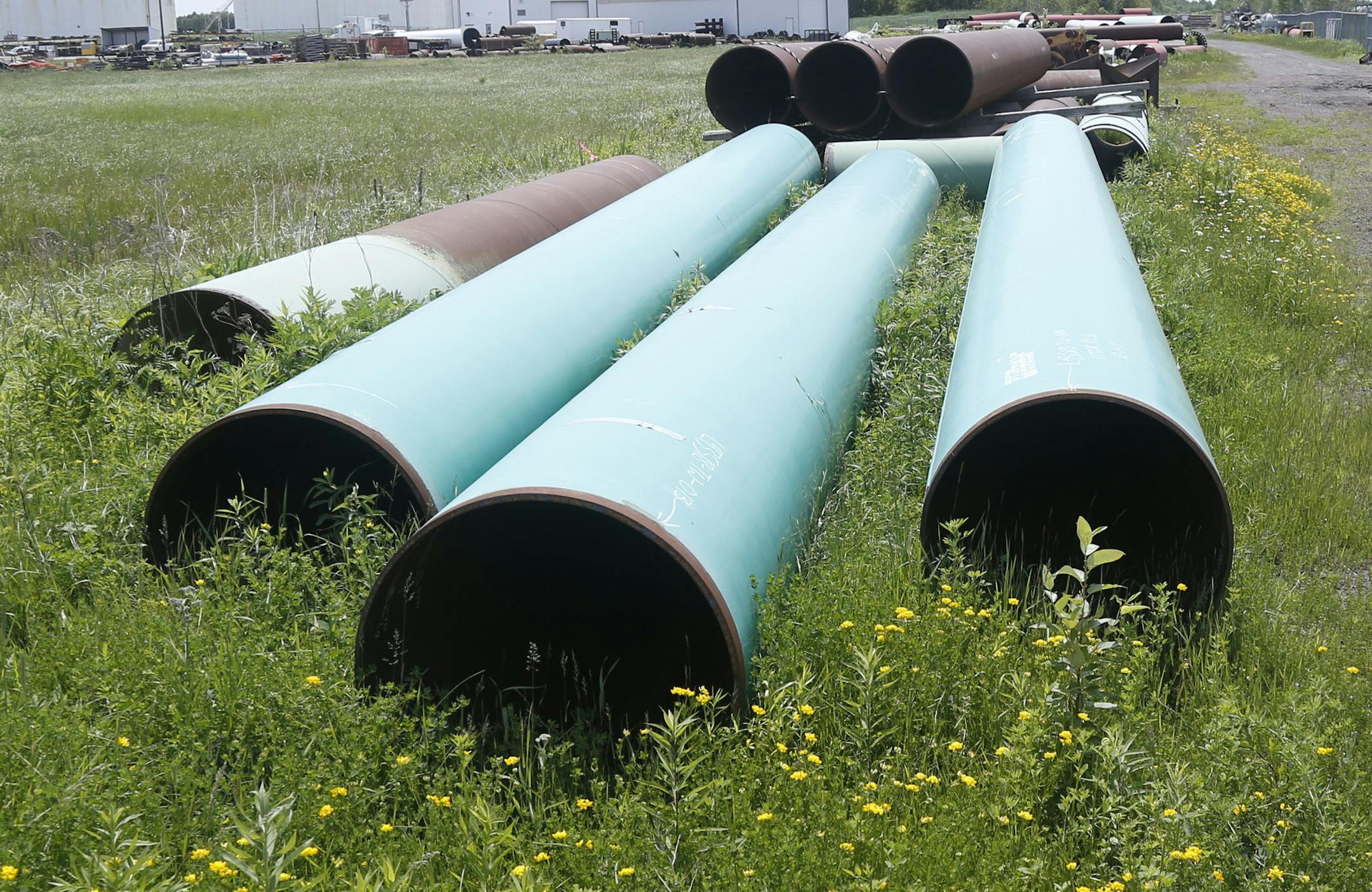
The Line 3 replacement project is safety- and maintenance-driven. It replaces an aging pipeline with a safer one made of thicker steel with more advanced coatings. This will reduce maintenance and disruptions to the environment and provide a source of energy that our economy continues to rely on.
The most studied pipeline project in Minnesota history has been the subject of more than six years of science-based review by regulatory and permitting bodies. This included more than 70 public hearings, a 13,500 page environmental impact statement (EIS), four separate reviews by independent administrative law judges, and 320 route modifications in response to stakeholder input and reviews.
The process also included approvals from the Minnesota Public Utilities Commission, Minnesota Pollution Control Agency, Minnesota Department of Natural Resources, the U.S. Army Corps of Engineers, the Bureau of Indian Affairs and the Fond du Lac Band of Lake Superior Chippewa (the only tribe with "Treatment as a State" water quality authority along the pipeline route).
According to the EIS, the pipeline might not have any impact on greenhouse gas emissions, especially if restored capacity on the replacement line displaces crude oil being delivered today by truck or train.
In 2019 Minnesota Public Radio asked: Will consumption happen regardless of whether the pipeline is replaced? The answer came from an expert who studies energy life cycle impacts, Stefan Unnasch, who said, "If the pipeline isn't built, the oil will find a market some other way."


