

Minnesotans have passion for the state's natural resources. That passion is shared by leadership and staff at the Minnesota Department of Natural Resources (DNR). Minnesotans also have varying ideas about how to best manage our shared resources for the future. It's critical for the DNR to hear all these voices.
However, it's also important that perspectives are fully informed by facts. That's why I wanted to clarify some mischaracterizations that appeared in "Minnesota's long wrong turn on natural resources," (Opinion Exchange, Nov. 12) by Steve Thorne, the DNR deputy commissioner from 1978 to 1990.
Forest management
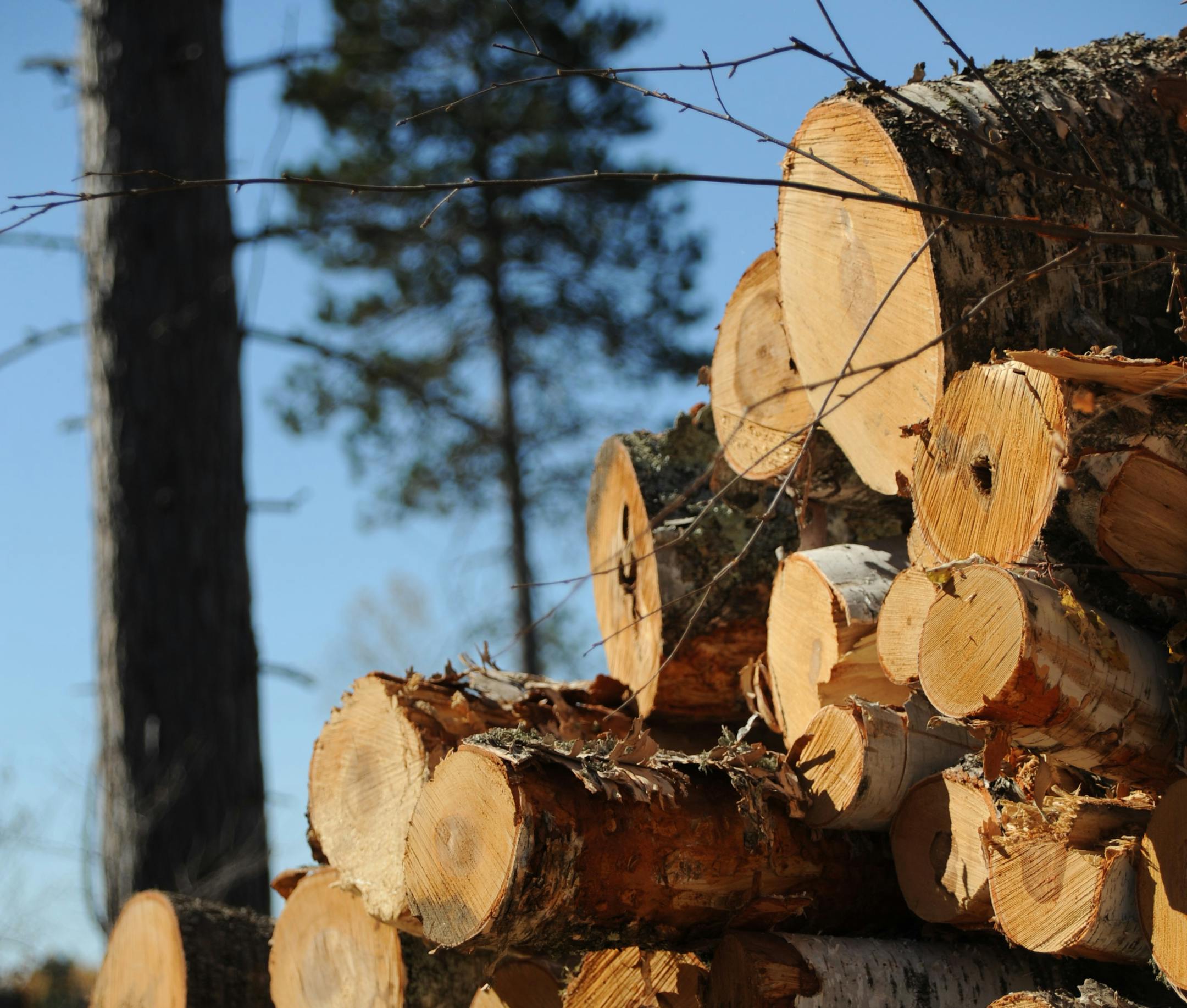
In 2017, then-Gov. Mark Dayton directed the DNR to analyze whether a timber harvest of 1 million cords from state-managed forest lands was sustainable. The resulting sustainable timber harvest analysis (STHA), led by an independent contractor, was the most comprehensive and sophisticated analysis of its kind that DNR has ever conducted.
The analysis examined a range of potential harvest scenarios and effects on ecosystems, watersheds, biodiversity, habitat and the forest economy. It relied on input from environmental, conservation and industry stakeholders. In the end, the DNR determined that a 1 million cord harvest was not sustainable. The final agency decision was to offer 870,000 cords of timber annually, a 70,000-cord increase over the previous offer level that ensures the diverse mix of tree species and ages required to sustain healthy forests.
Logging in wildlife management areas
Wildlife management areas (WMAs) exist to provide wildlife habitat and wildlife-based recreation. Forest-dwelling species need a range of conditions to thrive, and timber harvest is a common habitat management tool. The DNR works with the U.S. Fish and Wildlife Service (USFWS) on a number of its grants to ensure the DNR is managing WMAs in ways that meet habitat goals and other requirements. Notably, under STHA, both modeled and actual timber offerings on WMAs are steady or slightly lower than in recent years. As USFWS Regional Director Charlie Wooley and I reiterated recently, the DNR and the service share the same goals of improving habitat for wildlife and wildlife-based recreation.
Off-highway vehicles


